Ontario winters are no joke. Temperatures regularly drop well below −20°C, and the season brings everything from heavy snowfall and ice storms to weeks of bitter wind. Your windows take the full force of it all, and if they’re not ready, you’ll feel it — in drafts, in condensation, and especially in your heating bills.
The good news is that a little preparation in the fall can go a long way toward keeping your home warm, comfortable, and energy efficient all winter long. After 20+ years of working on windows across Mississauga, Oakville, and now London, Ontario, here’s what we recommend.
Start with a Thorough Inspection
Before you do anything else, take some time to carefully inspect every window in your home. You’re looking for problems that will get worse once the cold sets in — and catching them now is a lot easier (and cheaper) than dealing with them in January.
Check the frames and sills
Run your eyes and fingers along the entire frame. On wood windows, look for signs of rot — soft spots, discolouration, or spongy areas. Press a screwdriver into the frame; if it sinks in easily, that wood is compromised. On vinyl windows, look for cracking, warping, or brittleness, which can happen after years of UV exposure. Any damage to the frame affects the window’s ability to seal and insulate.
Inspect the weatherstripping
Weatherstripping is the flexible seal that runs around the perimeter of the window sash. Over time, it compresses, cracks, hardens, or falls off entirely. If your weatherstripping is worn out, cold air gets in and warm air gets out — even when the window is closed. Check it on every operable window in the house.
Look at the caulking
Caulking is the sealant applied around the exterior of the window frame where it meets the wall. Over time, it can crack, shrink, or peel away, creating gaps that let air and moisture in. Inspect both the interior and exterior caulking around every window.
Test for drafts
On a cold or windy day, hold your hand near the edges of each window and feel for air movement. For a more precise test, light a candle or incense stick and move it slowly around the window frame. If the flame flickers or the smoke drifts, you’ve found a draft.
Check the glass
Look for condensation or fog between the panes. If moisture is trapped between the glass layers, the sealed unit has failed — the insulating gas has escaped and moisture has gotten in. This isn’t something you can fix with caulking or weatherstripping; the sealed unit (or the entire window) will need to be replaced.
Seal the Gaps
Once you’ve identified problem areas, it’s time to seal them up before winter arrives.
Replace worn weatherstripping
If your weatherstripping is cracked, compressed, or missing, replace it. You can find replacement weatherstripping at any hardware store in several types — foam tape, V-strip (tension seal), and rubber compression strips are the most common. Choose the type that matches your window style and make sure the surface is clean and dry before applying. For Ontario’s extreme temperature swings, look for weatherstripping rated for cold-weather performance; cheaper foam tape tends to break down quickly in our climate.
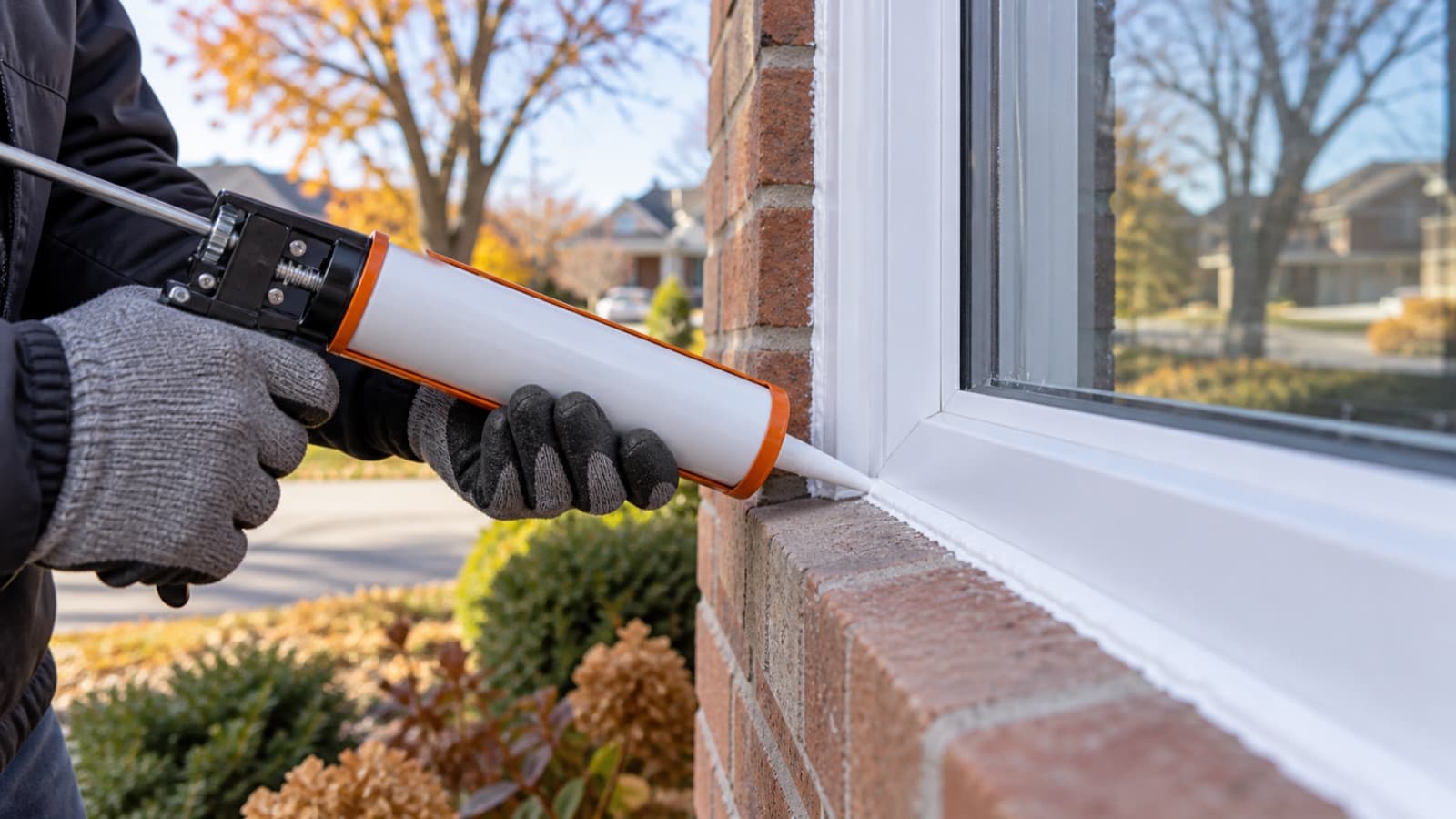
Re-caulk where needed
Remove any old, cracked caulking with a utility knife or caulk removal tool, clean the surface, and apply a fresh bead of high-quality silicone caulk. Silicone is the best choice for exterior window caulking because it’s flexible, waterproof, and holds up well in cold temperatures. On the interior side, paintable acrylic latex caulk works well for a clean finish. Focus on any gaps where the window frame meets the wall, both inside and outside.
Use rope caulk for a temporary fix
If you have older windows with small gaps and you need a quick, affordable fix, rope caulk is a useful option. It’s a pliable, putty-like strip that you press into gaps around the window frame. It peels off cleanly in the spring, so it won’t damage your trim or paint. It’s not a permanent solution, but it can make a noticeable difference in draft reduction for a season.
Clean Your Windows and Tracks
It might seem like a minor thing, but clean windows actually perform better in winter. Here’s why:
Clean glass lets in more sunlight. During winter, solar heat gain through your south- and west-facing windows can contribute meaningful warmth to your home — but only if the glass is clean. Dirt, grime, and film on the glass block sunlight and reduce that free heating benefit.
Clean tracks mean better seals. Dust, dirt, and debris build up in window tracks and channels over time. This can prevent the window from closing fully and compress the weatherstripping unevenly. Vacuum out the tracks, wipe them down with a damp cloth, and make sure the window closes snugly all the way around.
Lubricate moving parts. While you’re at it, apply a silicone-based lubricant to the tracks, hinges, and hardware. This keeps everything operating smoothly and helps prevent the mechanisms from seizing up in cold weather. Avoid petroleum-based products, which can attract dust and gum up over time.
Remove and Store Window Screens
This is a step many homeowners forget. If you have exterior screens, remove them for the winter. Screens can trap moisture and snow against the glass, which promotes condensation and can even contribute to frame damage over time. They also block a small percentage of sunlight, reducing the solar heat gain that helps warm your home during the day.
Clean the screens, let them dry fully, and store them somewhere safe — a garage, basement, or storage room. You’ll reinstall them in the spring when you want to open the windows again.
Manage Indoor Humidity
One of the most common winter window issues in Ontario is condensation — those water droplets (or even frost) that form on the inside of the glass. A little condensation on a bitterly cold morning is normal, especially with modern energy-efficient windows. But persistent, heavy condensation can lead to mould growth, peeling paint, and damage to window frames and surrounding walls.
Condensation happens when warm, moist indoor air hits the cold surface of the glass. The key to managing it is controlling your indoor humidity level. During Ontario winters, the ideal indoor relative humidity is generally between 30% and 40%. When outdoor temperatures drop below −20°C, you may need to bring it down to 25–30% to prevent excessive moisture on your windows.
Practical tips for managing humidity
- Use exhaust fans in your kitchen and bathrooms every time you cook or shower, and let them run for 15–20 minutes afterward.
- Open blinds and curtains during the day. Closed window coverings trap cold air against the glass, making condensation worse.
- Invest in a hygrometer. This inexpensive device measures your indoor humidity level so you can monitor and adjust.
- Use a dehumidifier if you have persistent problems in certain rooms, especially basements.
- Reduce moisture sources. Cover pots while cooking, take shorter showers, and avoid drying laundry indoors if possible.
- Check your furnace fresh-air intake isn’t blocked by snow, ice, or debris.
“Good” condensation vs. “bad” condensation
Light condensation on the interior surface of your glass during very cold weather is normal — it actually means your windows are doing their job by keeping heat inside. You should be able to wipe it away with your finger.
Condensation between the panes, however, is a problem. If you see fog or moisture trapped between the glass layers that you can’t wipe from either side, the sealed unit has failed. That window has lost its insulating gas fill and is no longer performing as it should. In that case, replacement is the right call.
Additional Insulation for Older Windows
If your windows are older but still in reasonable shape, there are a few additional steps you can take to boost their insulation for the winter:
Window Insulation Film
Shrink-fit film kits create an additional insulating air pocket in front of the glass. Apply double-sided tape around the frame, stretch the film over it, and use a hair dryer to shrink it tight. Not the most elegant solution, but effective and affordable.
Thermal Curtains
Heavy thermal curtains or honeycomb (cellular) shades trap air in pockets, creating an insulating barrier. Close them at night, open them during the day on south- and west-facing windows for solar heat gain.
Interior Storm Windows
Inserts that sit snugly inside the window frame, adding an extra layer of glass or acrylic. More effective (and better looking) than plastic film. Many can be removed and reused each season. Also reduces noise.
Know When Preparation Isn’t Enough
There’s only so much that caulking, weatherstripping, and film can do. If your windows are showing serious signs of age or damage — persistent drafts that sealing can’t fix, failed sealed units, rotting frames, or difficulty operating — it may be time to consider replacing them altogether.
Modern energy-efficient windows with double- or triple-pane glass, Low-E coatings, and argon gas fill are in a completely different league from what was available even 15 or 20 years ago. The difference in comfort, energy savings, and noise reduction is dramatic.
Ontario’s Home Renovation Savings Program offers rebates on eligible energy-efficient upgrades. The separate federal Canada Greener Homes Loan is closed to new applicants because its funding is fully committed. Check the program details and official sources in our rebate guide before making a financing decision.
Your Winter Window Checklist
Here’s a quick summary you can use before the cold arrives:
- Inspect all window frames, sills, glass, weatherstripping, and caulking for damage or wear.
- Replace any worn or missing weatherstripping.
- Re-caulk any cracked or missing sealant around window frames, inside and out.
- Clean the glass, tracks, and channels on every window.
- Lubricate moving parts with a silicone-based lubricant.
- Remove and store window screens for the winter.
- Monitor indoor humidity and keep it between 30–40% (lower during extreme cold).
- Use exhaust fans when cooking, showering, or running the dryer.
- Open blinds during the day to allow air circulation and solar heat gain.
- Add insulation where needed — film, thermal curtains, or storm window inserts.
- Schedule a professional assessment if your windows are 15+ years old or showing signs of failure.
Let WideView Help You Get Ready for Winter
Whether you need a quick tune-up or a full window replacement, we’re here to help. We don’t work on commission and we don’t use high-pressure sales — just honest advice from a family that cares about your home as much as you do.