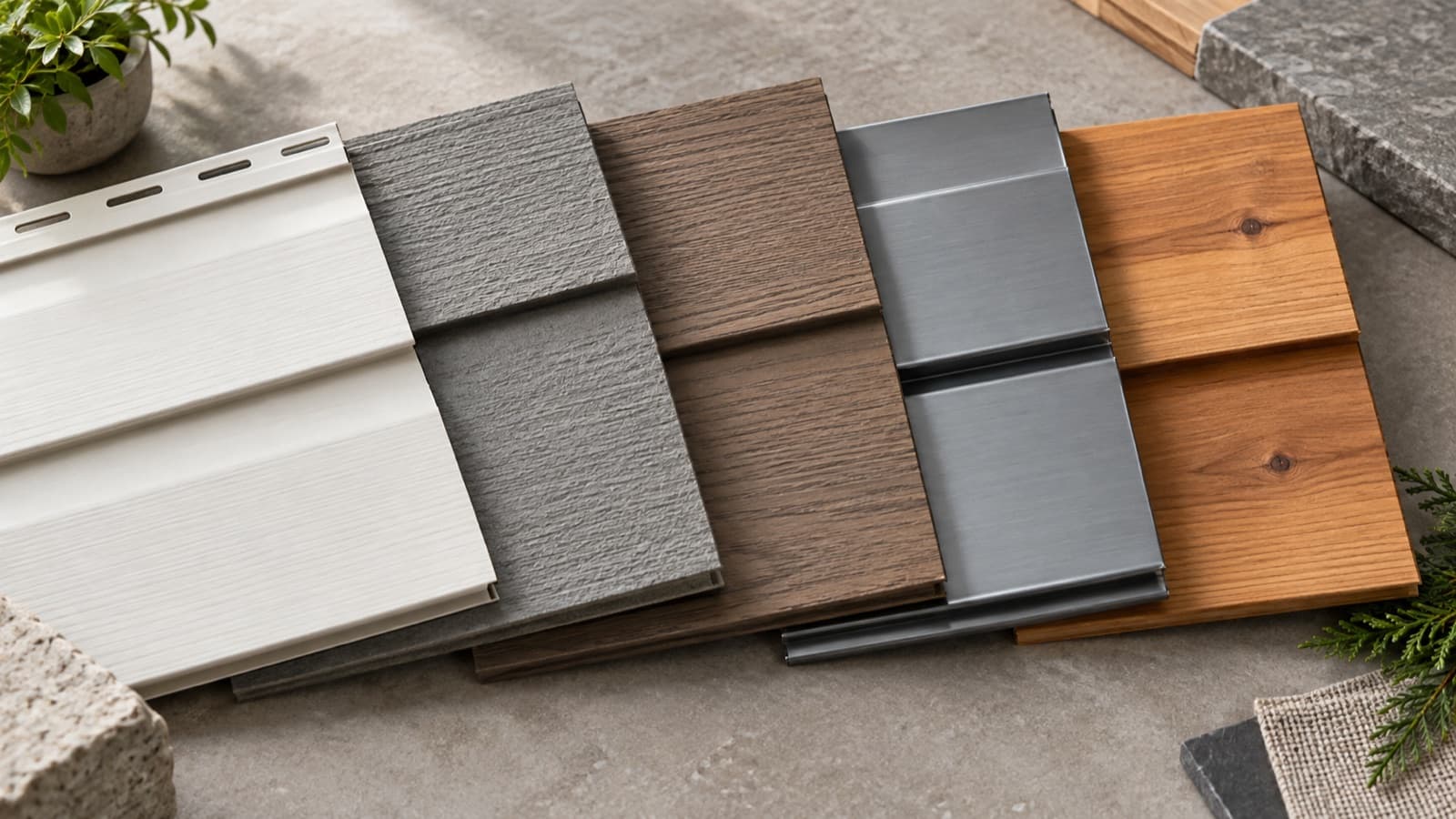
Your home’s siding does a lot more than look good from the curb. It’s the first line of defence against everything Ontario’s climate throws at it — snow, ice, freezing rain, summer humidity, UV exposure, and wild temperature swings that can shift 40 degrees or more in a single week.
Choosing the right material means balancing durability, energy efficiency, maintenance, appearance, and budget. And in Ontario, where freeze-thaw cycles can punish lesser materials, that decision matters more than it does in milder parts of the country.
After more than 20 years of working on homes across Mississauga, Oakville, and now London, Ontario, we’ve seen which siding materials hold up — and which ones homeowners end up regretting. Here’s what you need to know about each option.
Why Ontario’s Climate Matters When Choosing Siding
Before comparing materials, it’s worth understanding what makes Ontario particularly hard on exterior cladding.
Southern Ontario experiences wide temperature extremes. Winter lows can drop well below −20°C, while summer highs regularly climb above 30°C. That 50-degree swing puts enormous stress on building materials, causing them to expand and contract repeatedly throughout the year.
Add in freeze-thaw cycles (where moisture gets into small gaps, freezes, expands, then thaws), heavy snowfall, ice accumulation, wind-driven rain, and intense UV exposure during long summer days, and your siding has to work year-round to keep your home protected.
The Great Lakes also play a role. Homes in Mississauga and Oakville are exposed to lake-effect moisture that increases humidity levels and the risk of water-related damage. London, sitting between Lake Huron and Lake Erie, sees its share of heavy precipitation and snow squalls too.
Vinyl Siding
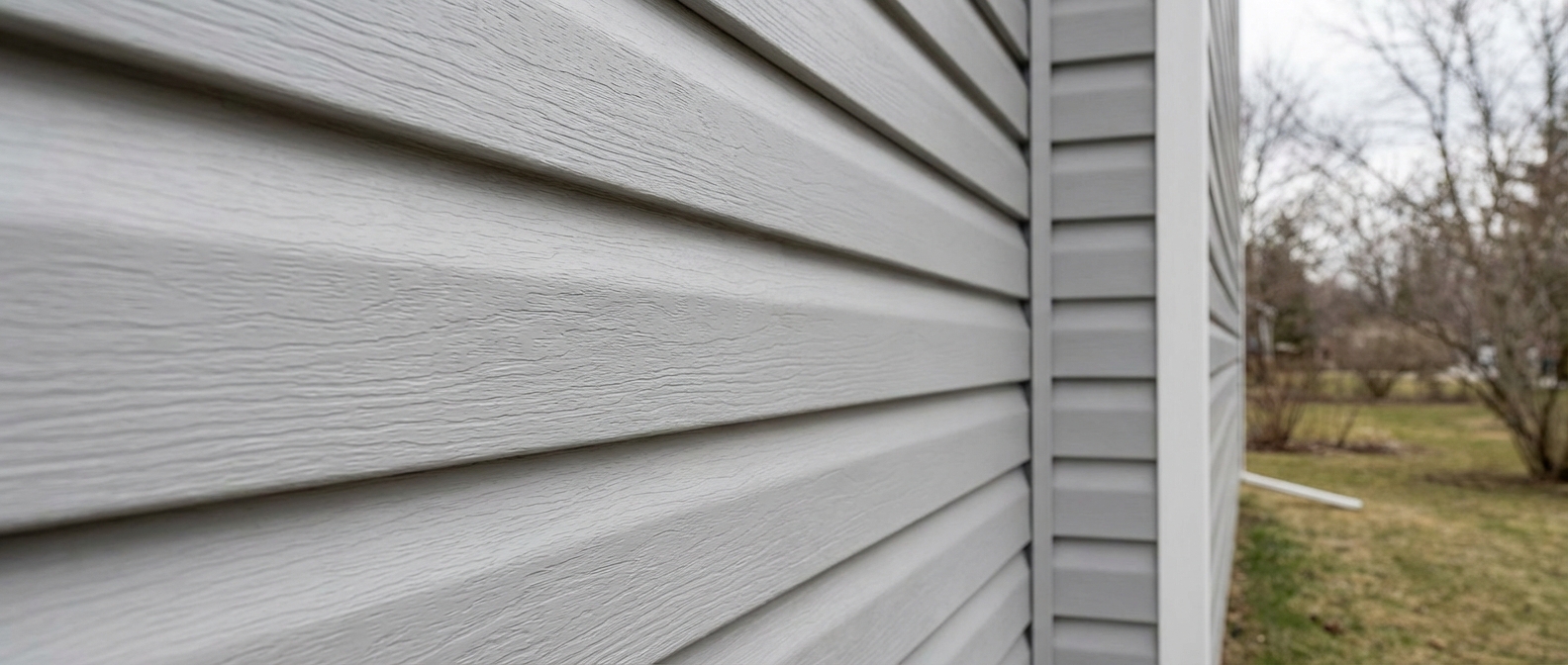
Vinyl remains the most popular siding material in Canada, and for good reason — it’s affordable, low-maintenance, and available in a huge range of colours and styles.
What it is: Vinyl siding is made from polyvinyl chloride (PVC), a durable plastic resin that creates lightweight, flexible panels. Modern vinyl is manufactured to meet rigorous standards for colour retention, impact resistance, and UV stability. It comes in horizontal lap, vertical board-and-batten, Dutch lap, shingle, and shake profiles.
How it performs in Ontario: Vinyl is naturally resistant to moisture, rot, and insect damage — three major concerns in our climate. It won’t absorb water, which means freeze-thaw cycles don’t affect it the same way they do wood. Quality vinyl flexes slightly with temperature changes rather than cracking. However, cheaper grades can become brittle in extreme cold or warp in intense heat, particularly on south-facing walls. That’s why product quality and proper installation — with adequate expansion gaps — are critical.
Maintenance: This is where vinyl really shines. It doesn’t need painting or staining. A yearly wash with soap and water (or a light pressure wash) is typically all it takes to keep it looking fresh. The colour runs through the material, so scratches don’t reveal a different colour underneath.
Cost: Vinyl is the most budget-friendly option, typically running $6 to $12 per square foot installed in Ontario. A standard two-storey home can usually be sided for $12,000 to $25,000 depending on the size, complexity, and product chosen.
Best for: Homeowners looking for solid performance at an accessible price point. Great for families who want a low-maintenance exterior without the premium price tag.
Insulated Vinyl Siding: The Upgrade Worth Considering
Standard vinyl siding is hollow-backed, meaning it doesn’t add much insulation on its own. Insulated vinyl, however, has a layer of rigid foam permanently bonded to the back of each panel.
This does several things. It adds R-value (thermal resistance) to your exterior walls, improving energy efficiency. It makes the panels more rigid, reducing the “wavy” look that standard vinyl can sometimes develop. It also improves impact resistance and reduces exterior noise.
In Ontario, where heating costs can spike during long winters, the added insulation can make a noticeable difference on your energy bills. Insulated vinyl typically runs $8 to $14 per square foot installed — a modest premium over standard vinyl for a meaningful performance boost.
Fiber Cement Siding (Hardie Board)
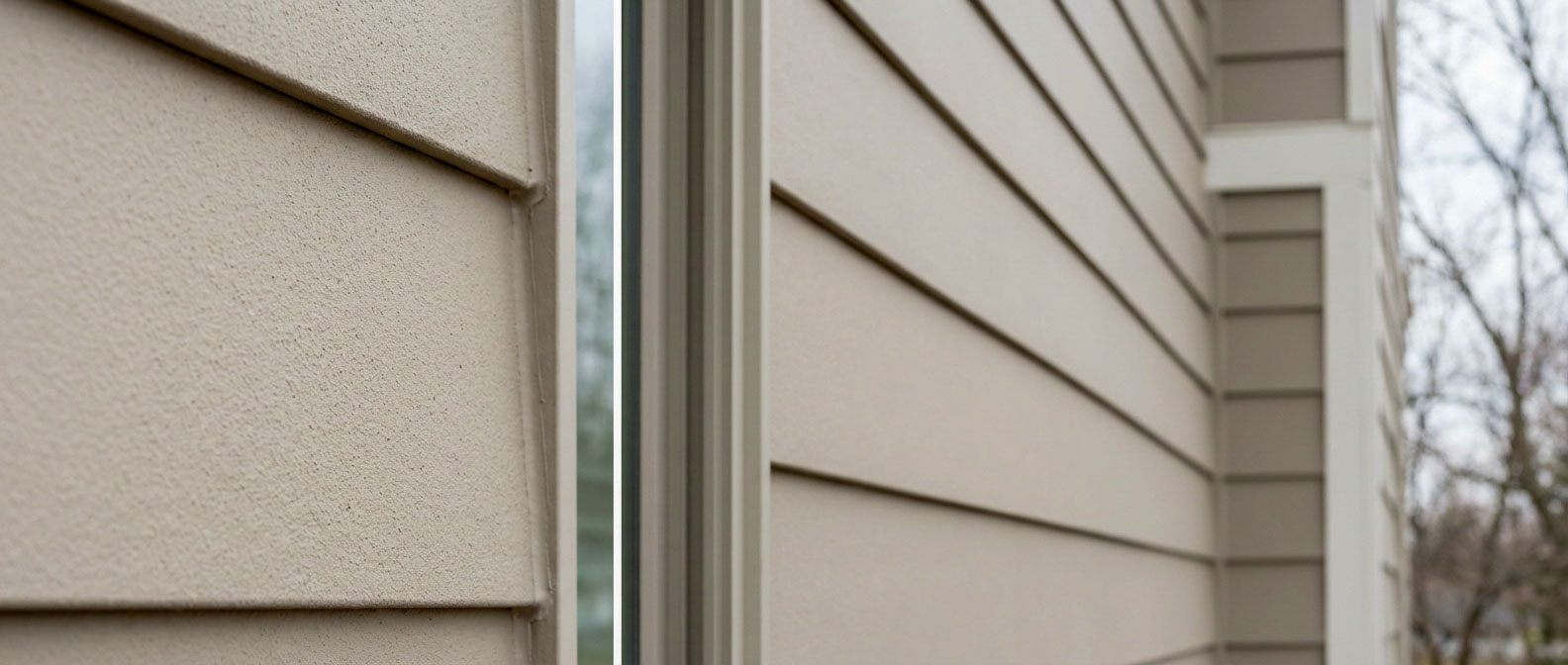
Fiber cement has earned a strong reputation as one of the most durable siding materials available. James Hardie’s HardiePlank is the most recognized brand, though other manufacturers offer fiber cement products as well.
What it is: Fiber cement is a composite material made from Portland cement, sand, and cellulose fibres. It’s engineered to replicate the look of wood — including lap siding, shingles, and board-and-batten — without the maintenance headaches.
How it performs in Ontario: This is where fiber cement really stands out. It handles freeze-thaw cycles exceptionally well, remaining dimensionally stable when temperatures swing between extremes. It won’t rot, won’t attract insects, and is non-combustible (an added safety benefit). It resists moisture penetration and stands up to high winds. The material doesn’t warp or buckle under UV exposure, and its colour retention with factory-applied finishes is excellent.
Maintenance: Lower-maintenance than wood but not maintenance-free. Factory-painted fiber cement (like James Hardie’s ColorPlus Technology) holds its colour well, but you’ll likely need to repaint every 10 to 15 years. Caulking around trim and joints should be inspected and refreshed periodically.
Cost: Fiber cement is a premium product, typically $10 to $18 per square foot installed in Ontario. It’s heavier than vinyl, which means installation is more labour-intensive and requires experienced contractors. A full re-side on a standard home can run $20,000 to $40,000+ depending on the profile and complexity.
Best for: Homeowners who want long-term durability (50+ year lifespan), design versatility, and fire resistance — and are willing to invest more upfront for lower long-term costs.
Engineered Wood Siding
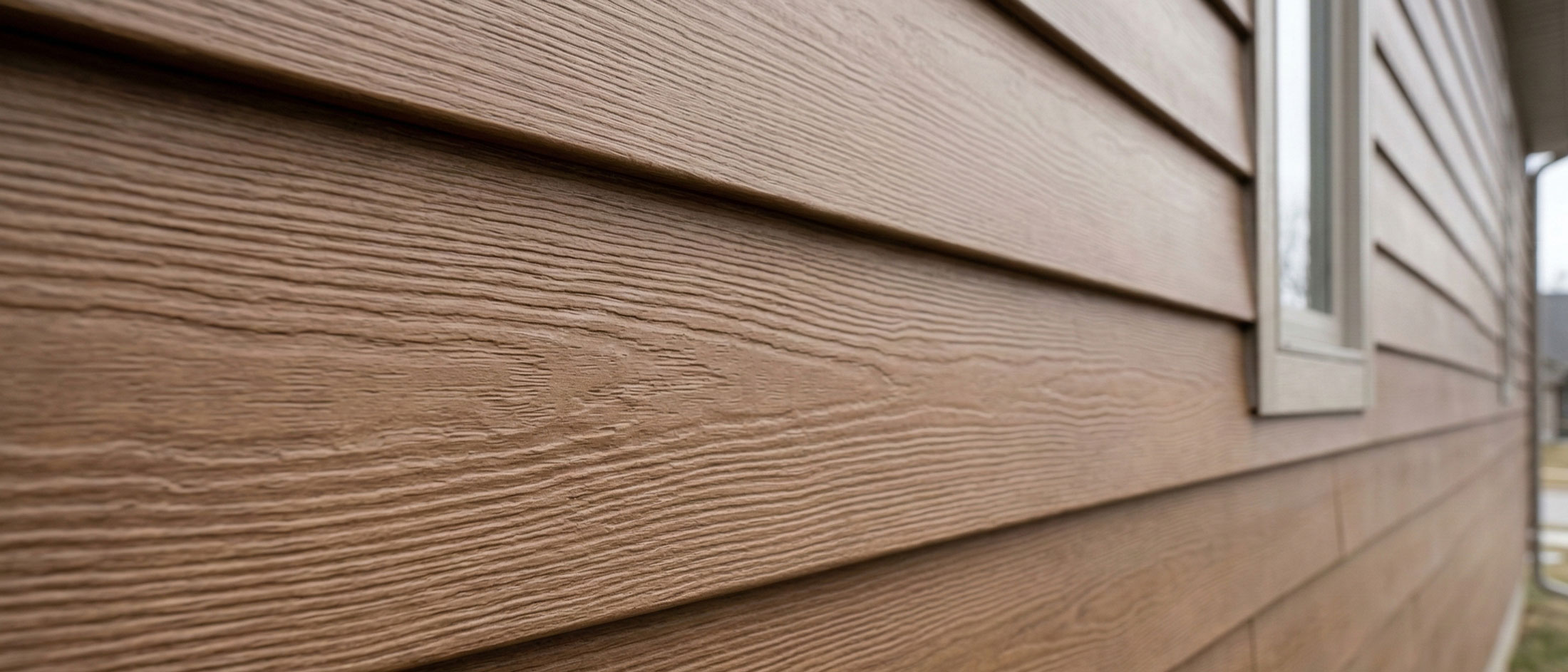
Engineered wood bridges the gap between the natural beauty of real wood and the durability of manufactured materials. LP SmartSide is the most widely used brand in this category.
What it is: Engineered wood siding is made by combining wood strands or fibres with resins, waxes, and binders under heat and pressure. The result is a strong, uniform panel that looks like real wood but resists many of wood’s weaknesses.
How it performs in Ontario: Engineered wood holds up well against moisture, insects, and fungal decay — all significant improvements over natural wood. It’s treated during manufacturing to resist these issues. It handles temperature swings better than solid wood and provides a natural insulating value. However, it’s not as inherently moisture-resistant as vinyl or fiber cement, so proper installation with appropriate flashing and weather barriers is essential.
Maintenance: Engineered wood needs periodic painting or staining, typically every 7 to 10 years depending on exposure and product quality. Cut edges should be sealed during installation to prevent moisture infiltration.
Cost: Generally in the mid-range, around $9 to $14 per square foot installed. It’s lighter and easier to handle than fiber cement, which can help keep labour costs down.
Best for: Homeowners who love the look of real wood but want better durability and lower maintenance. A great middle ground between vinyl’s affordability and fiber cement’s premium performance.
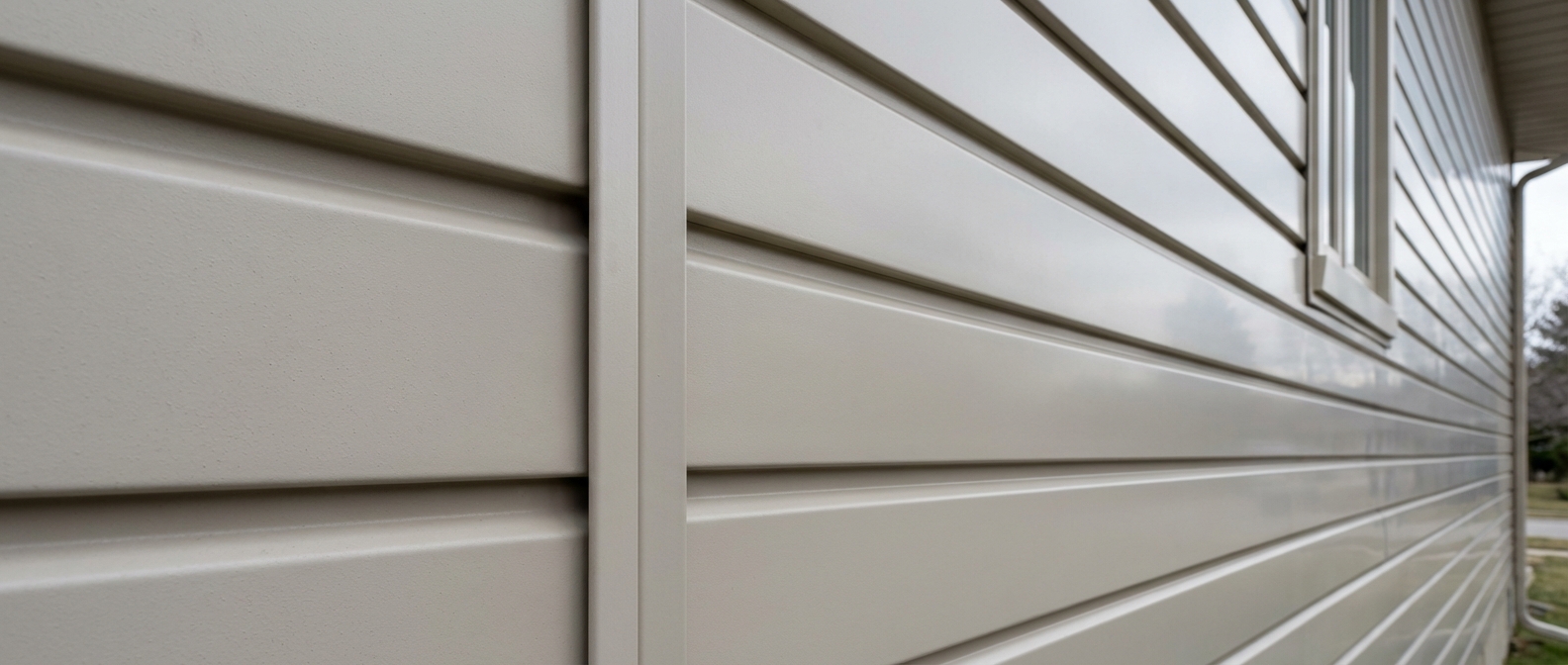
Aluminum Siding
Aluminum was once the go-to siding material across Ontario, and you’ll still find it on many homes built in the 1960s through 1980s. While it’s been overtaken by vinyl and fiber cement in popularity, modern aluminum siding still has its place.
What it is: Aluminum siding is made from lightweight metal panels, typically pre-painted or coated for weather resistance. It comes in similar profiles to vinyl — horizontal lap, vertical, and shingle styles.
How it performs in Ontario: Aluminum is completely waterproof, fireproof, and immune to insect damage. It won’t rot or decompose. It performs well in Ontario’s freeze-thaw environment because it doesn’t absorb moisture. However, it can dent from hail or impact, and it’s not the most energy-efficient option on its own — metal conducts heat, which can lead to thermal bridging without added insulation beneath.
Maintenance: Aluminum doesn’t require painting on a set schedule, though the factory finish can fade or chalk over time. It can be repainted. Dents can be difficult to repair without replacing individual panels.
Cost: Typically $7 to $12 per square foot installed, putting it in a similar range to mid-grade vinyl. It’s a reasonable option when budget is a factor and fire resistance is a priority.
Best for: Homeowners who want a fireproof, rot-proof exterior at a moderate price. Often a practical choice for older homes where non-combustibility is valued or for areas with specific building code requirements regarding fire resistance near property lines.
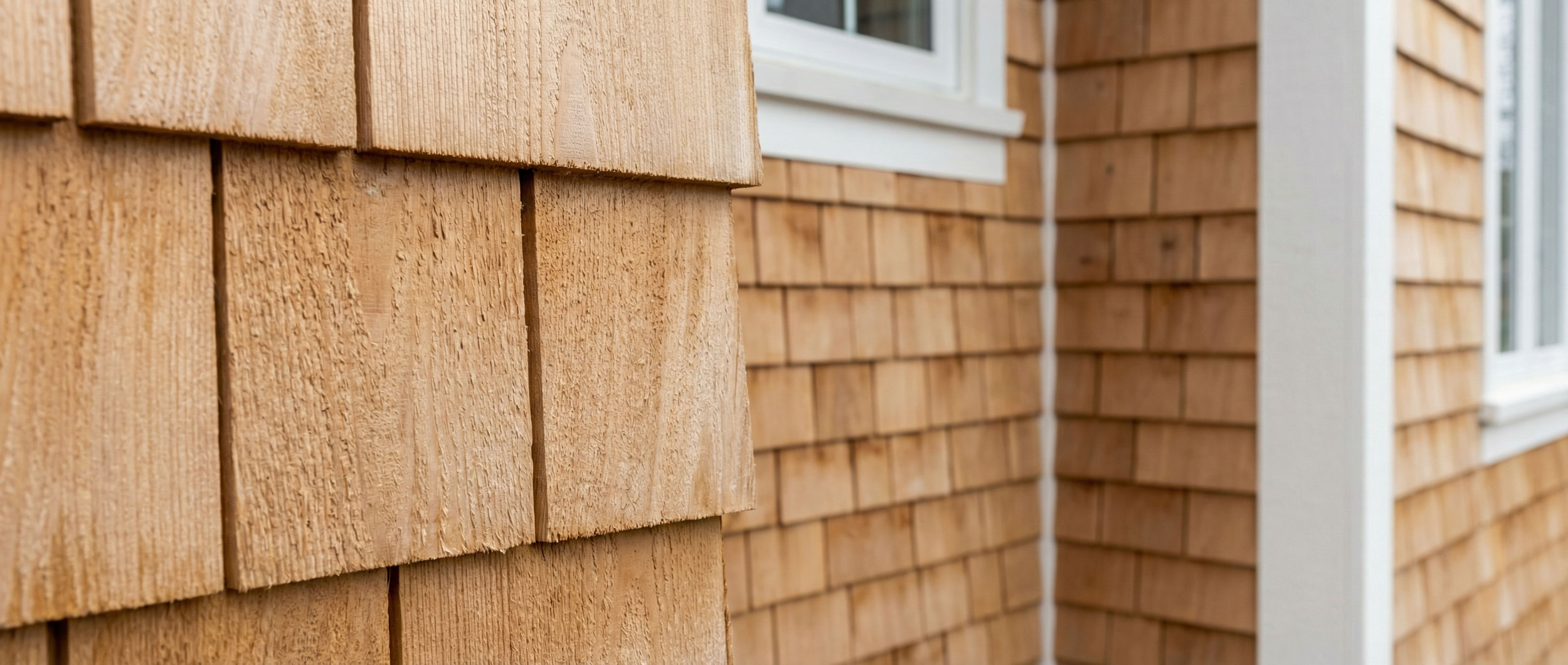
Natural Wood Siding (Cedar)
Cedar siding is the classic choice for homeowners who love natural warmth, texture, and character. It’s timeless — but it comes with responsibilities.
What it is: Natural wood siding, most commonly western red cedar, is solid wood milled into various profiles including bevel (lap), shingle, shake, tongue-and-groove, and board-and-batten. Cedar’s natural oils provide some built-in resistance to rot and insects.
How it performs in Ontario: Cedar looks beautiful and provides excellent natural insulation. However, Ontario’s climate is particularly demanding on wood. The high moisture levels, freeze-thaw cycles, and UV exposure will degrade unprotected wood relatively quickly. Cedar can warp, crack, split, and develop rot if not properly sealed, stained, and maintained. It also absorbs water, which creates problems during freeze-thaw cycles as trapped moisture expands and contracts.
Maintenance: This is where cedar demands the most from homeowners. It needs staining or painting every 3 to 5 years, regular inspections for rot or insect damage, and prompt repair of any cracked or damaged sections. Neglect maintenance for even a season or two, and the damage can accelerate quickly in Ontario’s climate.
Cost: Cedar runs $8 to $20+ per square foot installed depending on the grade, thickness, and profile. Premium clear-grade cedar costs significantly more than knotty or standard grades. Factor in the ongoing maintenance costs, and the total cost of ownership over 20 years is among the highest of any siding material.
Best for: Homeowners who prioritize natural aesthetics above all else and are committed to (and budgeted for) regular maintenance. Works best on custom homes, cottage-style properties, or heritage restorations where the look of natural wood is non-negotiable.
Quick Comparison at a Glance
| Feature | Vinyl | Insulated Vinyl | Fiber Cement | Engineered Wood | Aluminum | Cedar |
|---|---|---|---|---|---|---|
| Cost (installed/sq ft) | $6–$12 | $8–$14 | $10–$18 | $9–$14 | $7–$12 | $8–$20+ |
| Lifespan | 20–40 yrs | 30–40+ yrs | 50+ yrs | 25–40 yrs | 25–40 yrs | 20–40 yrs |
| Maintenance | Very low | Very low | Low–moderate | Moderate | Low | High |
| Fire resistance | Low | Low | Excellent | Low–moderate | Excellent | Low |
| Moisture resistance | Excellent | Excellent | Excellent | Good | Excellent | Fair |
| Energy efficiency | Moderate | Good | Moderate | Good | Low | Good |
| Ontario climate fit | Very good | Excellent | Excellent | Good | Good | Fair |
What’s Trending in 2025/26
Siding style is evolving alongside performance. Here are some trends we’re seeing across our service areas.
Bolder colours are in. Homeowners are moving past safe beige and tan palettes. Charcoal, navy, deep green, sage, and warm earthy tones like terracotta and greige (gray-beige blends) are increasingly popular. Advances in colour-lock technology mean darker shades no longer fade as quickly as they once did.
Mixed materials add depth. More homeowners are combining two or more materials — like vinyl or fiber cement on the main walls with stone veneer accents around the foundation or entryway. This creates visual interest and a custom look without the cost of cladding the entire home in premium materials.
Board-and-batten is everywhere. Vertical board-and-batten siding, once reserved for barns and farmhouses, has become one of the most popular style choices for modern farmhouse, craftsman, and contemporary designs. It creates clean vertical lines and adds a sense of height.
Texture matters. Smooth finishes are giving way to woodgrain textures, shiplap effects, and shake profiles. Manufacturers have gotten remarkably good at replicating natural wood appearances in materials that require far less upkeep.
Ontario Rebates and Incentives
If your siding project includes adding exterior wall insulation, you may be eligible for rebates through Ontario’s Home Renovation Savings Program. The program lists rebates of up to $7,700 for eligible bundled upgrades. Confirm the current measures, funding, and timing on the official program page before work starts.
To qualify, you’ll typically need a pre-retrofit and post-retrofit energy audit by a certified energy advisor. Adding rigid foam insulation behind your new siding can dramatically improve your home’s thermal envelope — and makes the project eligible for higher rebate tiers.
If you’re also considering new windows and doors as part of a larger exterior renovation (which we strongly recommend for the best results), the potential savings add up quickly. Replacing siding and windows together ensures proper flashing integration, reduces total labour costs, and avoids the risk of damaging new siding when replacing windows later.
How to Choose: Key Questions to Ask Yourself
Choosing between these materials comes down to your priorities. Ask yourself:
- What’s your budget — today and over time? Vinyl has the lowest upfront cost, but fiber cement’s 50-year lifespan means fewer replacements. Cedar’s low purchase price can be misleading when you factor in decades of maintenance. Think about total cost of ownership, not just the installation quote.
- How much maintenance are you realistically willing to do? Be honest. If you know you’re not going to restain your siding every 3 to 5 years, natural wood isn’t the right choice. Vinyl and insulated vinyl are the clear winners for hands-off homeowners.
- What look are you going for? Every material comes in a range of styles and colours. Fiber cement offers the most design versatility — it can mimic wood, stucco, or shingle. Vinyl has come a long way and offers more options than most people realize. Wood is unmatched for natural warmth.
- Is fire resistance a concern? If your home sits close to a property line, Ontario building codes may require non-combustible or fire-resistant cladding. Fiber cement and aluminum meet this requirement. Vinyl and wood do not.
- Are you planning other exterior work? If you’re also replacing windows, doors, or adding insulation, it makes sense to coordinate the entire project. You’ll get better flashing integration, potentially bundle pricing, and qualify for higher rebate amounts.
Why Professional Installation Matters More Than Material Choice
Here’s something that surprises many homeowners: the quality of the installation matters as much — or more — than the material you choose. Premium fiber cement installed poorly will fail faster than standard vinyl installed correctly.
Proper siding installation involves more than nailing panels to a wall. It includes a complete weather barrier system, correct flashing around windows and doors, appropriate expansion gaps for temperature movement, proper ventilation behind the siding, and sealing of all penetrations.
In Ontario’s climate, water management is everything. A small mistake in flashing or caulking can allow moisture behind the siding, leading to mould, rot, and structural damage that’s invisible until it becomes a serious (and expensive) problem.
That’s why we believe your choice of installer is just as important as your choice of material. At Wide View Contracting, we handle every siding project with our own trained crews — no subcontractors — because we know that consistent quality comes from people who are accountable to the homeowner, not to a middleman. We’re fully certified, insured, and WSIB-covered, and every project is backed by our commitment to doing things right the first time.
Ready to Explore Your Siding Options?
Whether you’re leaning toward the affordability of vinyl, the premium durability of fiber cement, or the natural beauty of wood, we’re happy to walk you through your options — no pressure, no commission-driven sales pitch. Just honest advice from a family-owned company that’s been helping Ontario homeowners for over 20 years.