Glossary
Windows, doors & siding vocabulary — 192 terms explained in plain language.
A
Active / Inactive Leaf
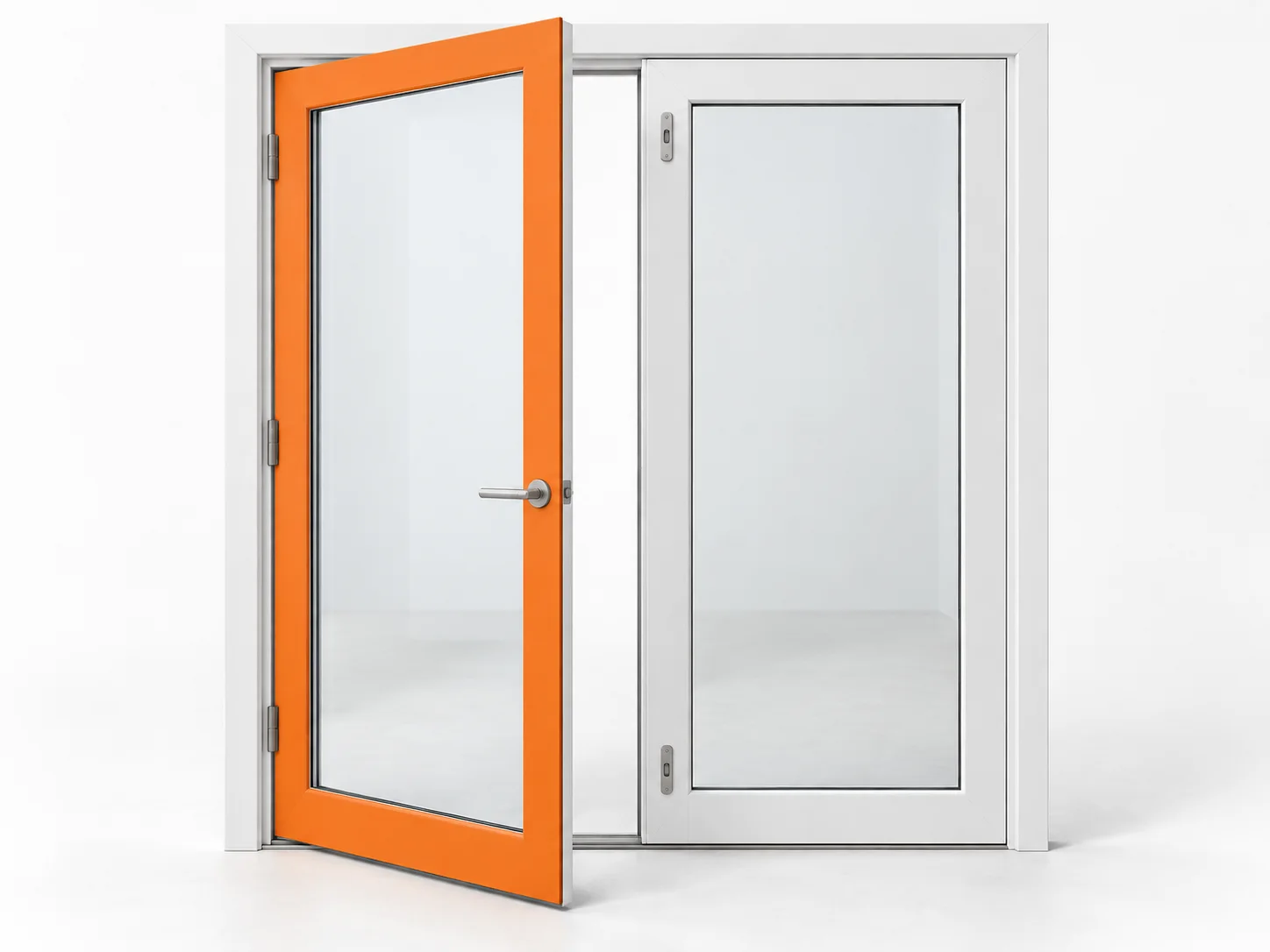
In a paired hinged door, the active leaf is the panel normally opened first and used for everyday passage. An operable inactive leaf is usually secured by bolts and opened second when more width is needed. A permanently fixed companion panel is different; verify the product configuration.
Air Barrier
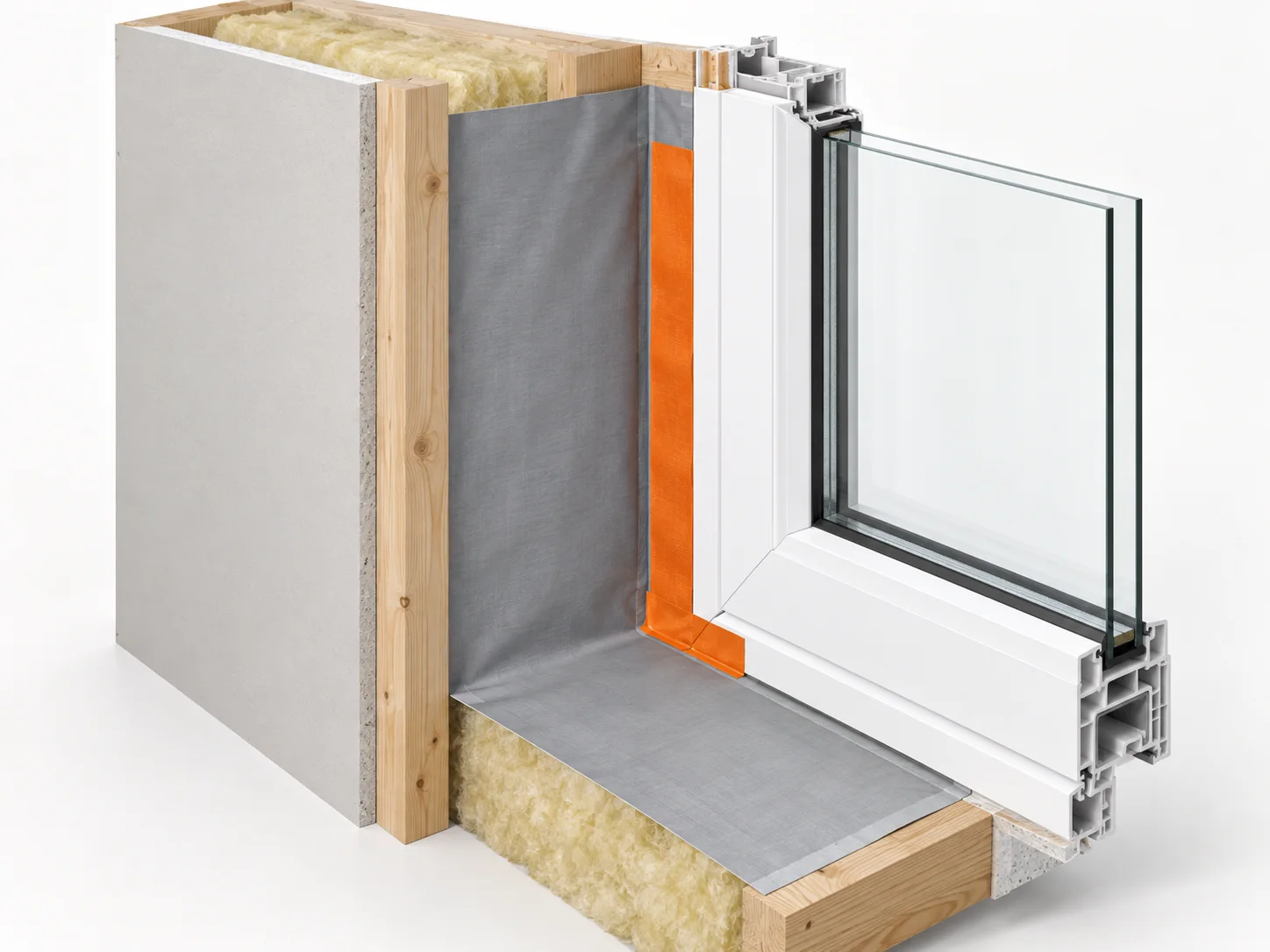
A system of materials designed to control airflow between the conditioned interior and unconditioned exterior of a building, reducing energy loss and drafts.
Air Leakage Rating
A measure of the rate of air infiltration through a window assembly, expressed in cubic feet per minute per foot (cfm/ft²). Lower values indicate a tighter seal.
Aluminum
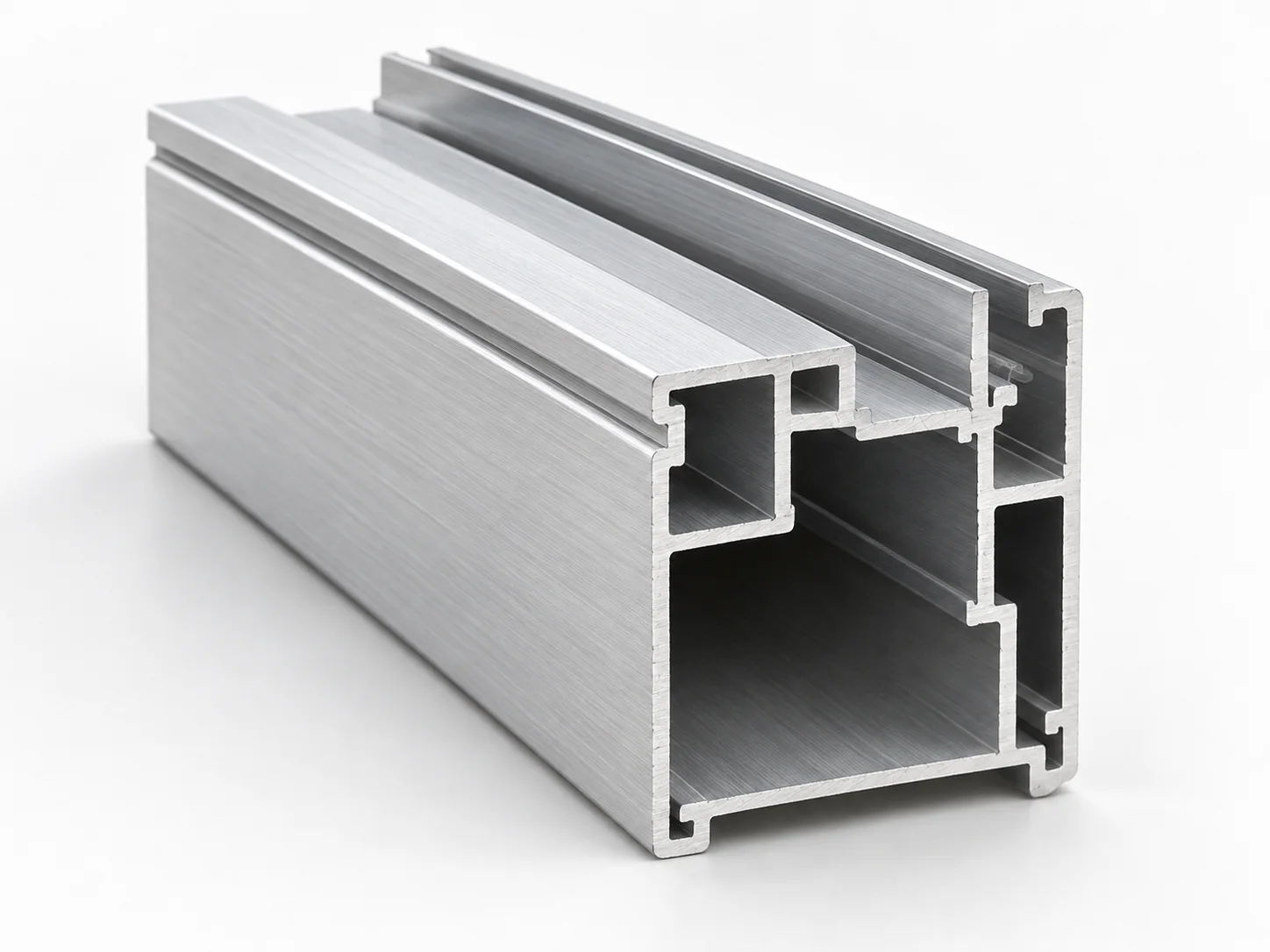
A lightweight, strong metal used for window and door frames, siding, and . Naturally corrosion-resistant; requires a for good insulation.
Aluminum Capping / Coil Wrap
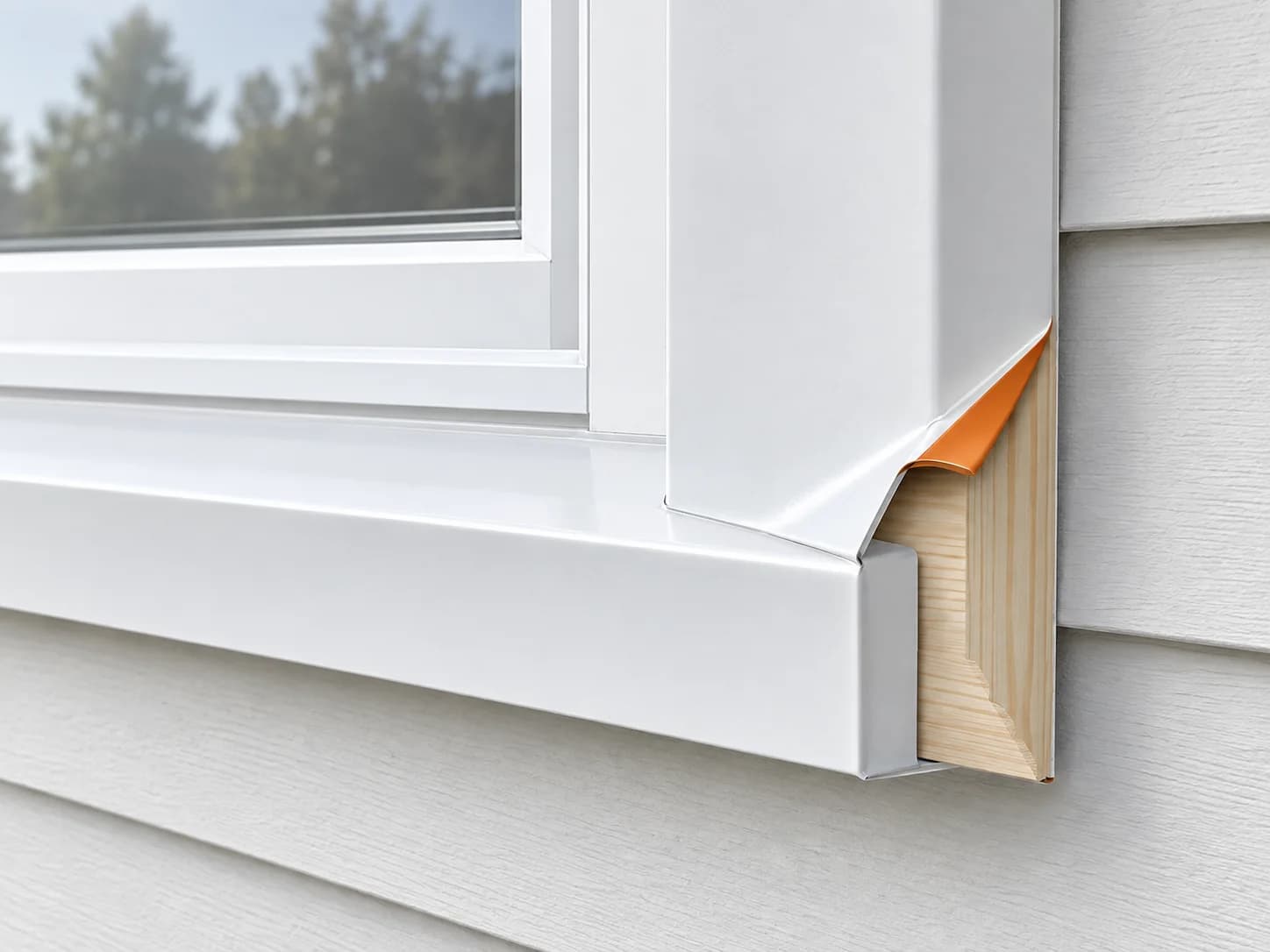
Sheet formed from trim coil to cover exterior wood trim, or other specified surfaces. It reduces exposed wood maintenance and finishes the opening, but does not repair rotten material or replace proper and drainage details.
Aluminum Siding
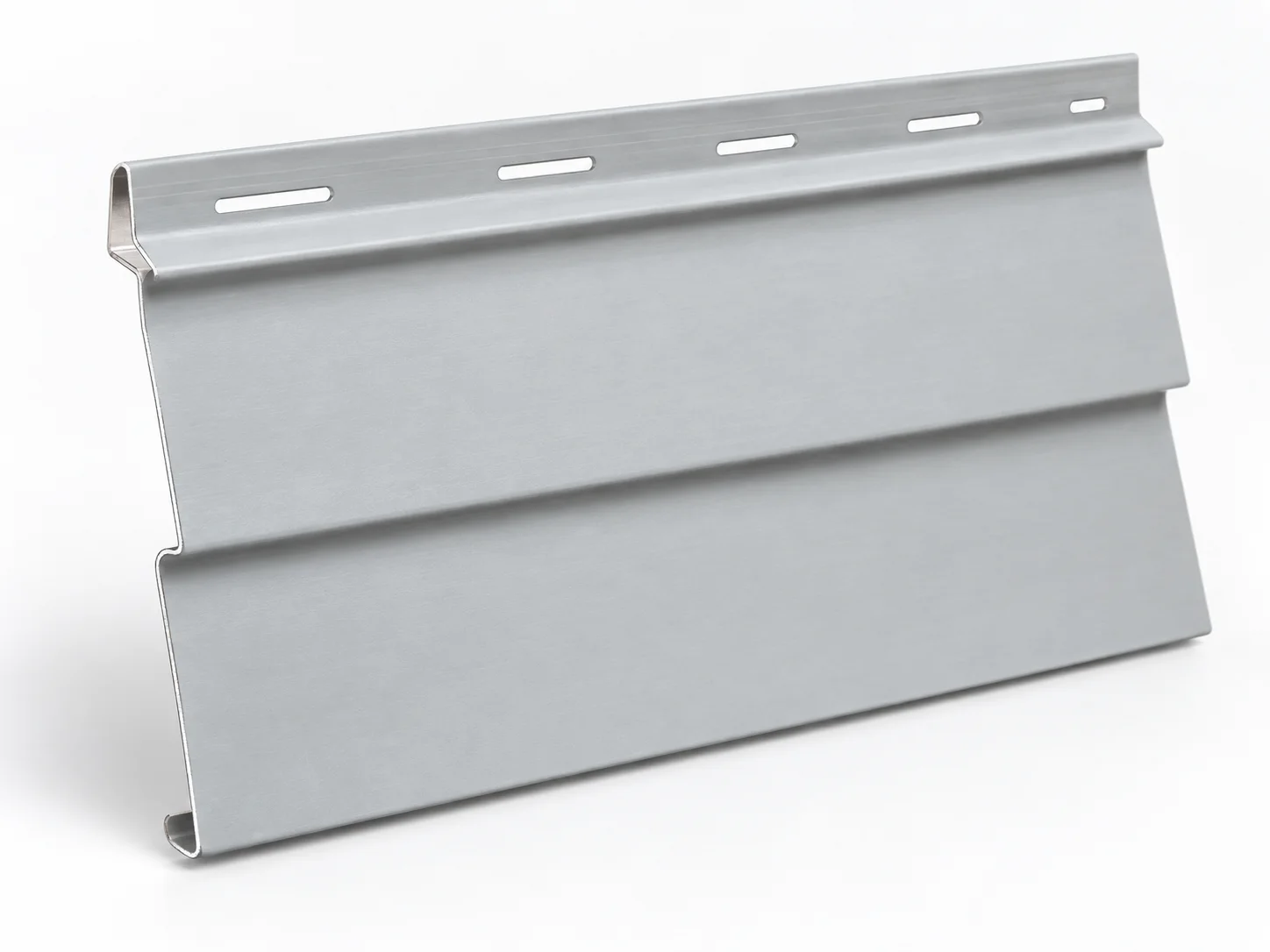
Metal cladding made from lightweight sheets. Durable and fire-resistant, but can dent easily and may fade or oxidize over time.
Argon Gas Fill
An inert, colorless gas injected between glass panes in an to reduce heat transfer. Argon is denser than air and a poorer conductor of heat.
Astragal
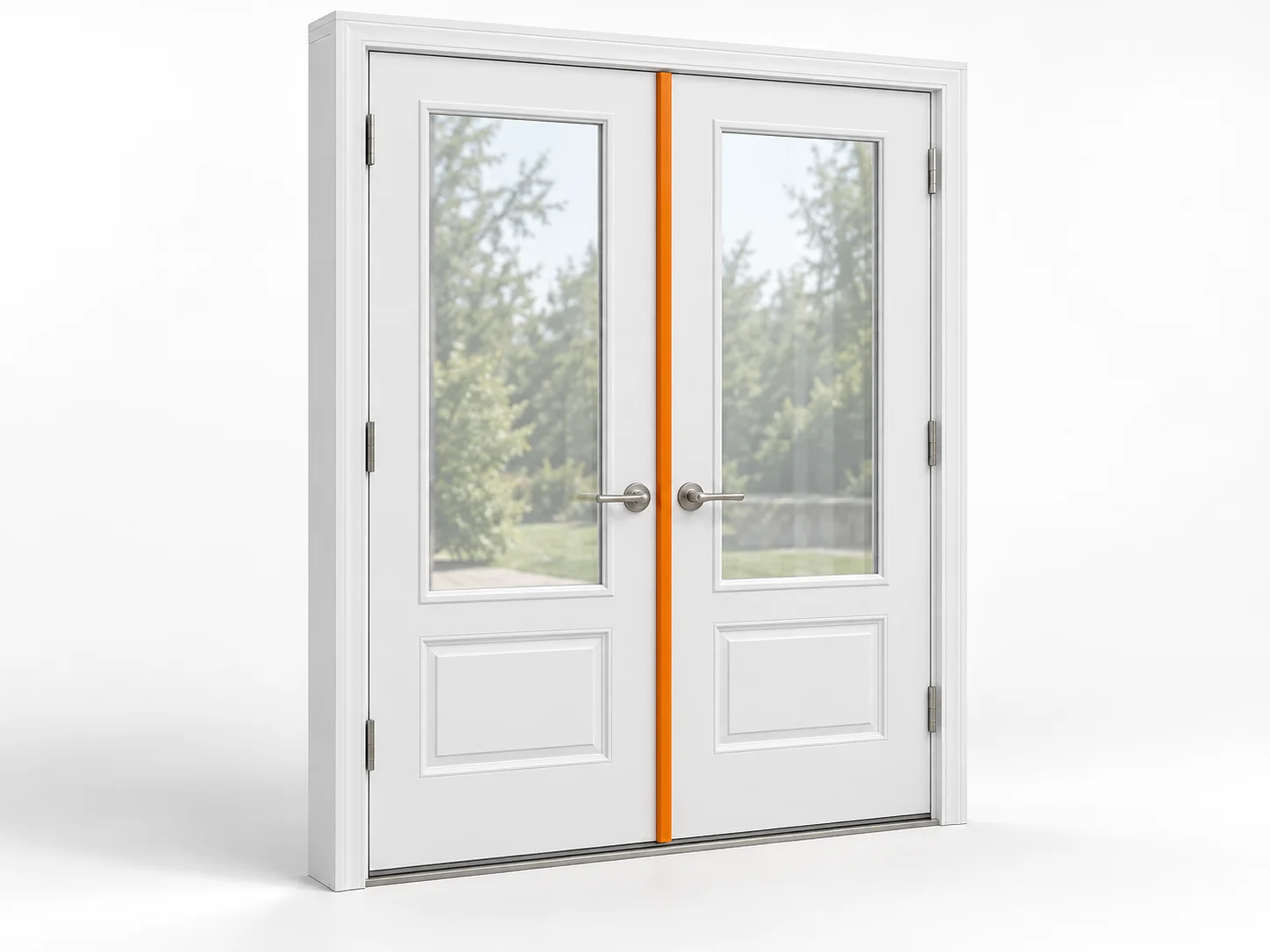
A vertical moulding strip attached to the edge of one door in a double-door system, covering the gap between the two doors when closed.
Awning Window
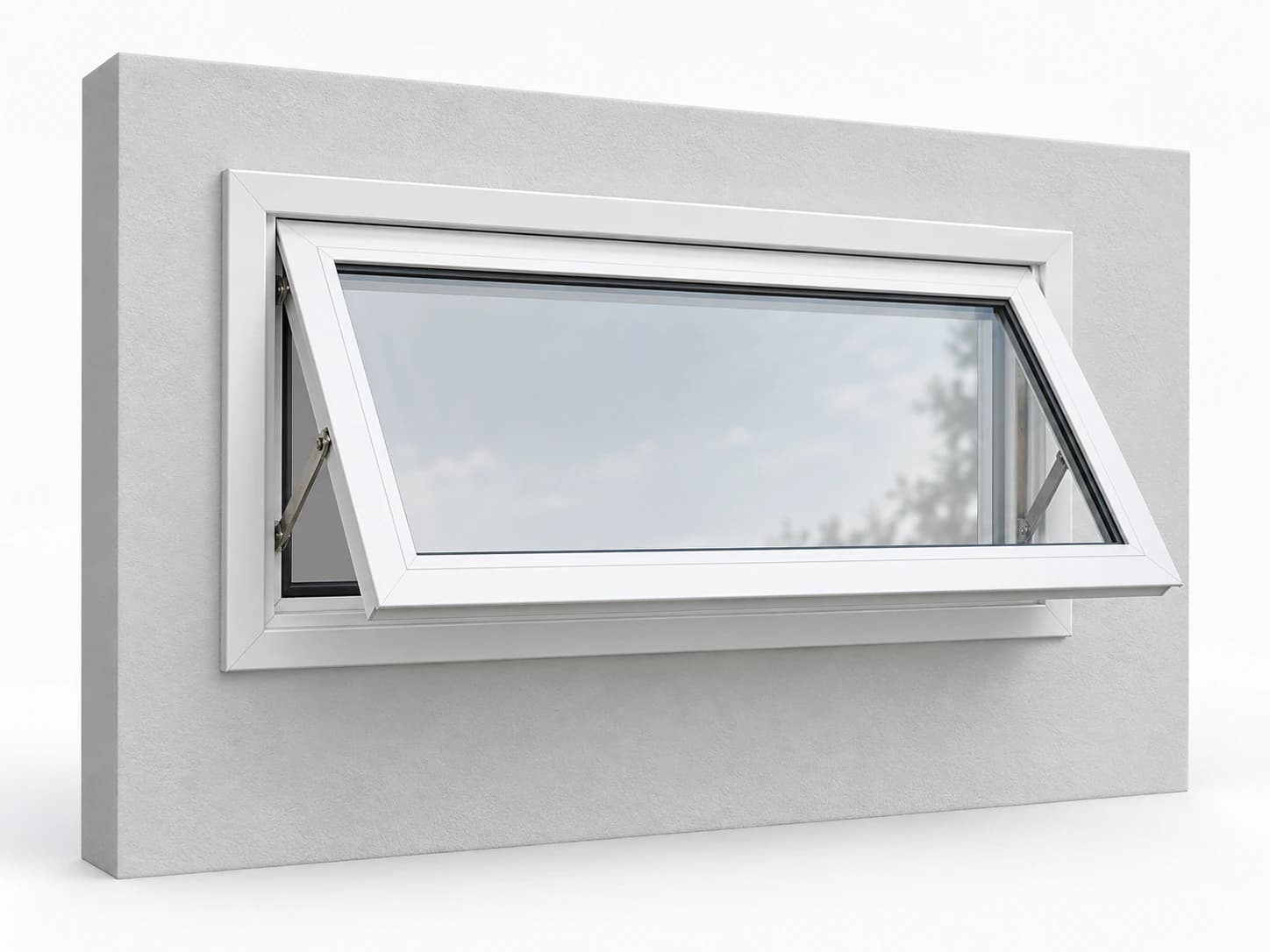
A window hinged at the top that swings outward from the bottom, allowing ventilation even during light rain.
B
Backer Rod
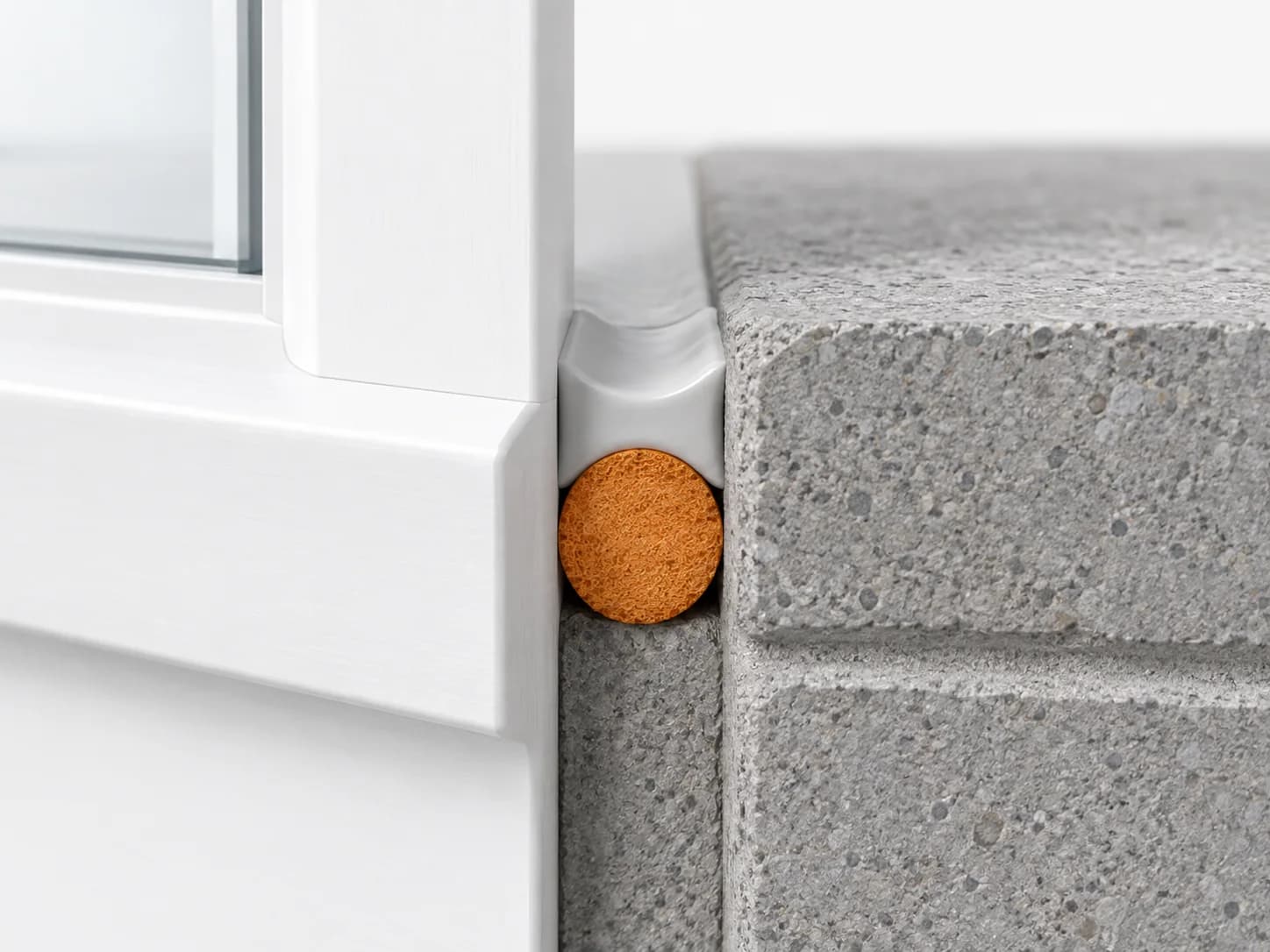
A cylindrical foam strip inserted into wide gaps or joints before applying , providing a surface for the sealant to bond to and controlling joint depth.
Balance
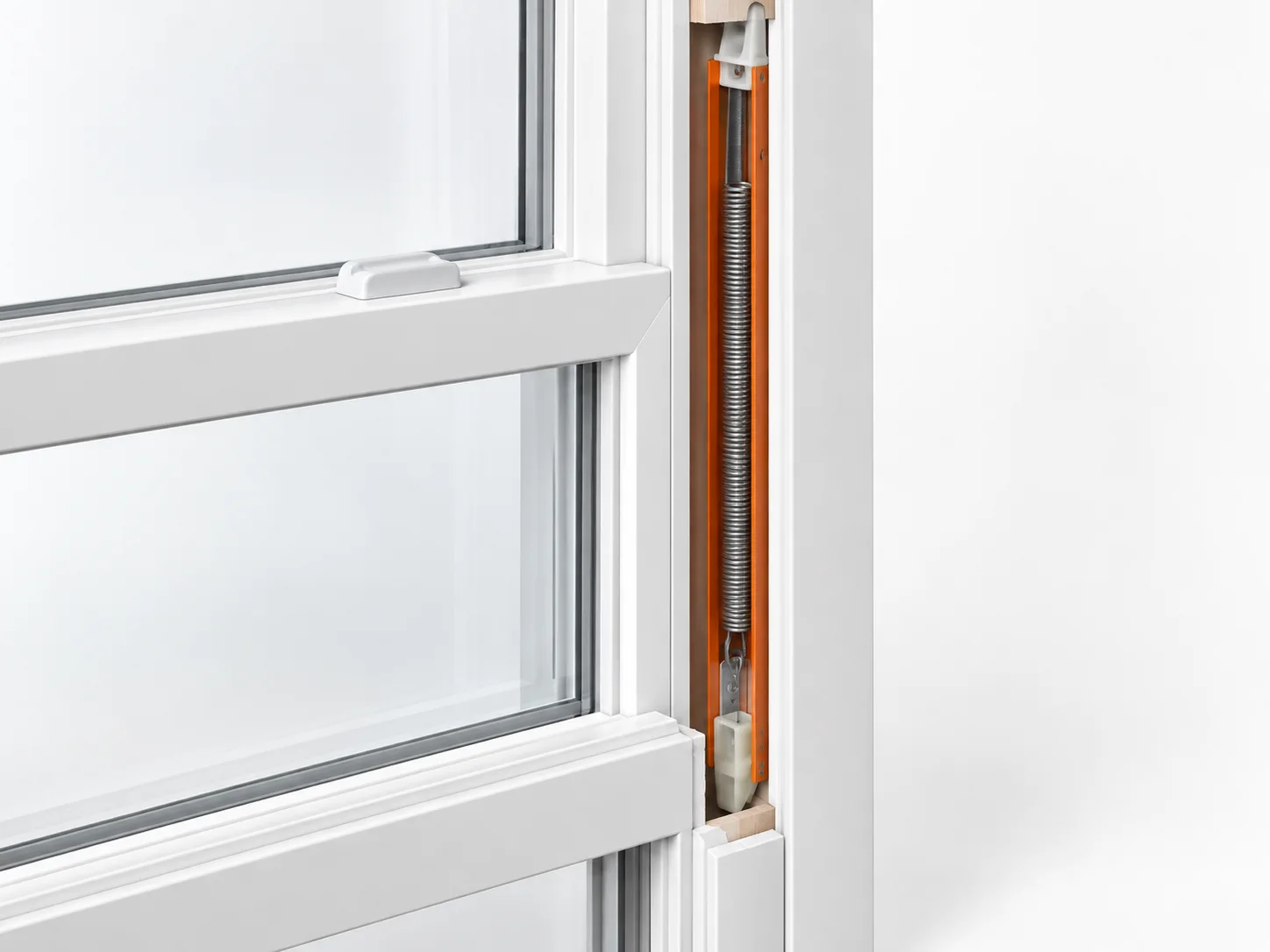
A mechanical device, usually a spring or weight system, concealed in the window that counterbalances the weight of the for smooth operation.
Batt Insulation
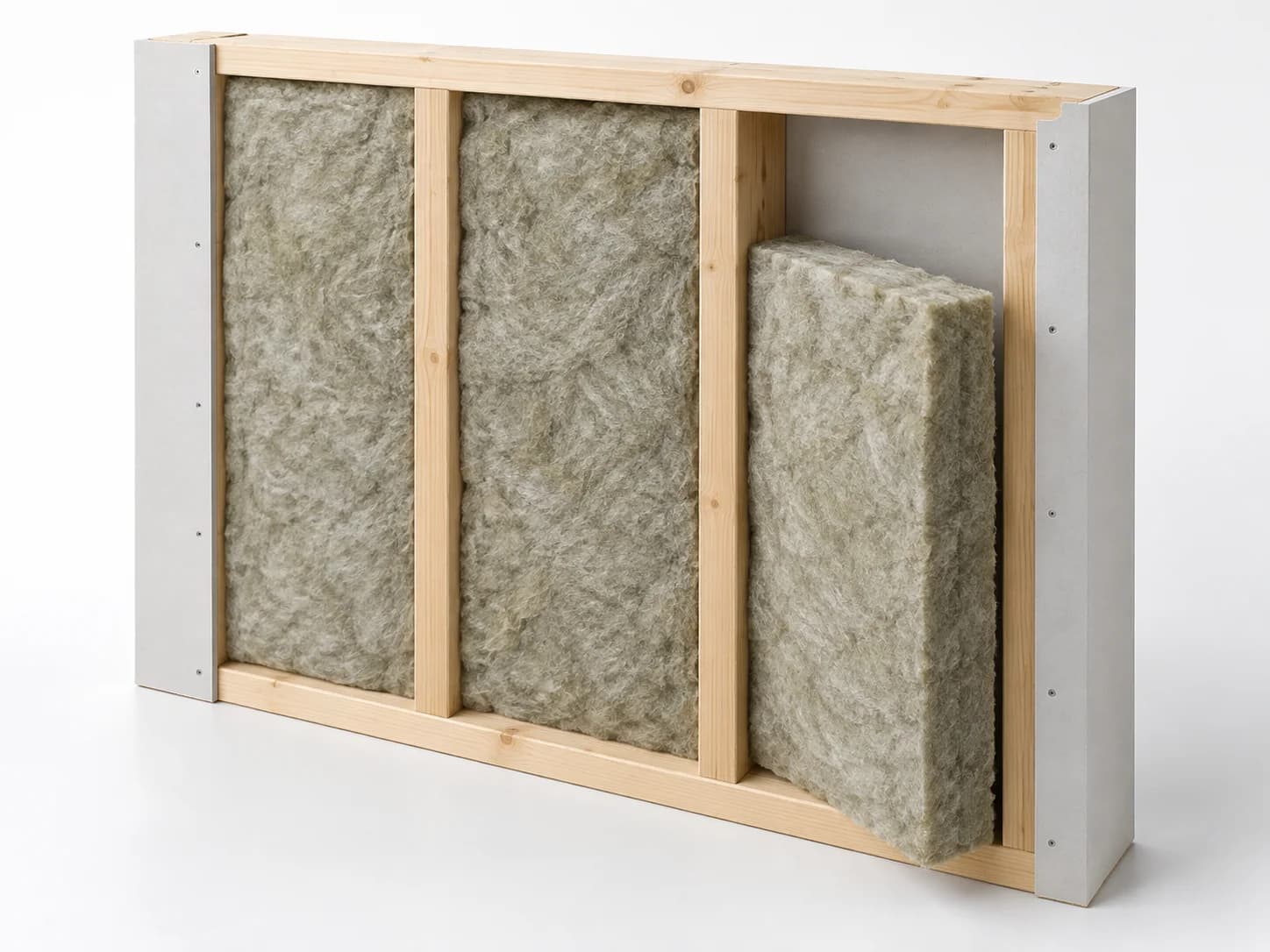
Pre-cut panels of or mineral wool insulation designed to fit between wall studs, ceiling joists, and floor joists.
Bay Window
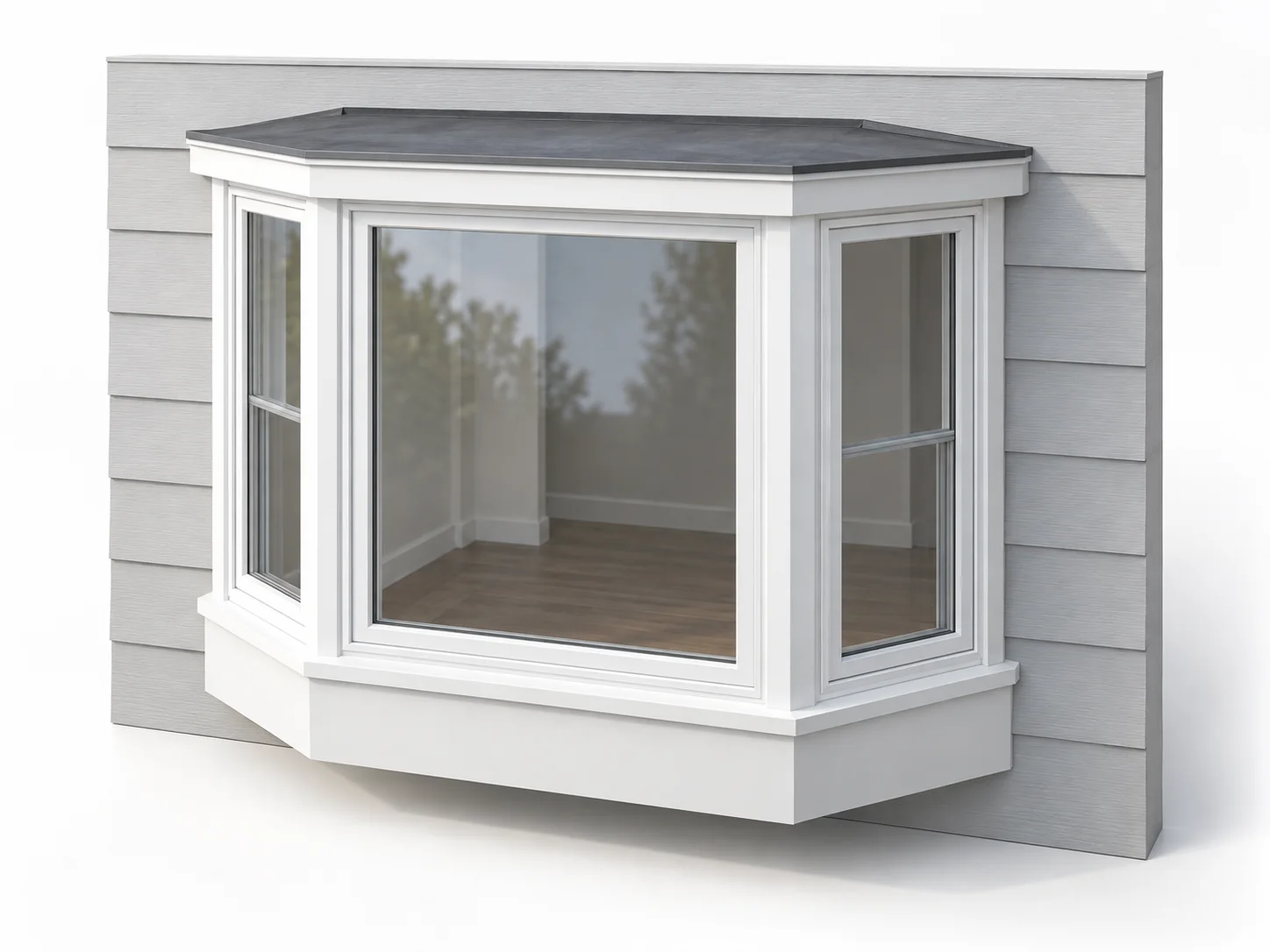
A window that projects outward from the exterior wall, typically consisting of a large center fixed pane flanked by two operable windows set at 30° or 45° angles.
Bi-Fold Door
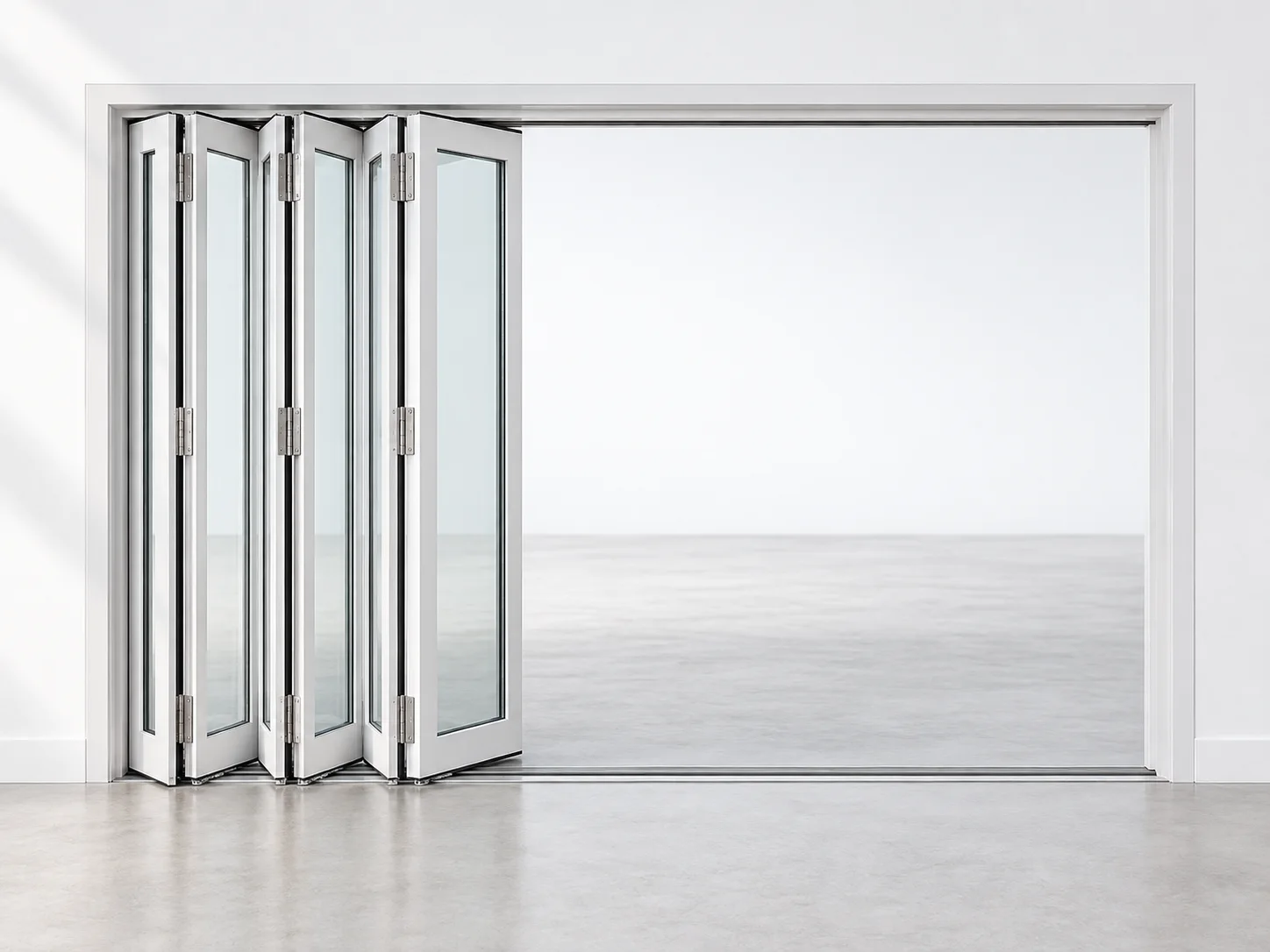
A door system with panels that fold against each other accordion-style to create a wide opening, popular for connecting indoor and outdoor living spaces.
Blown-In Insulation
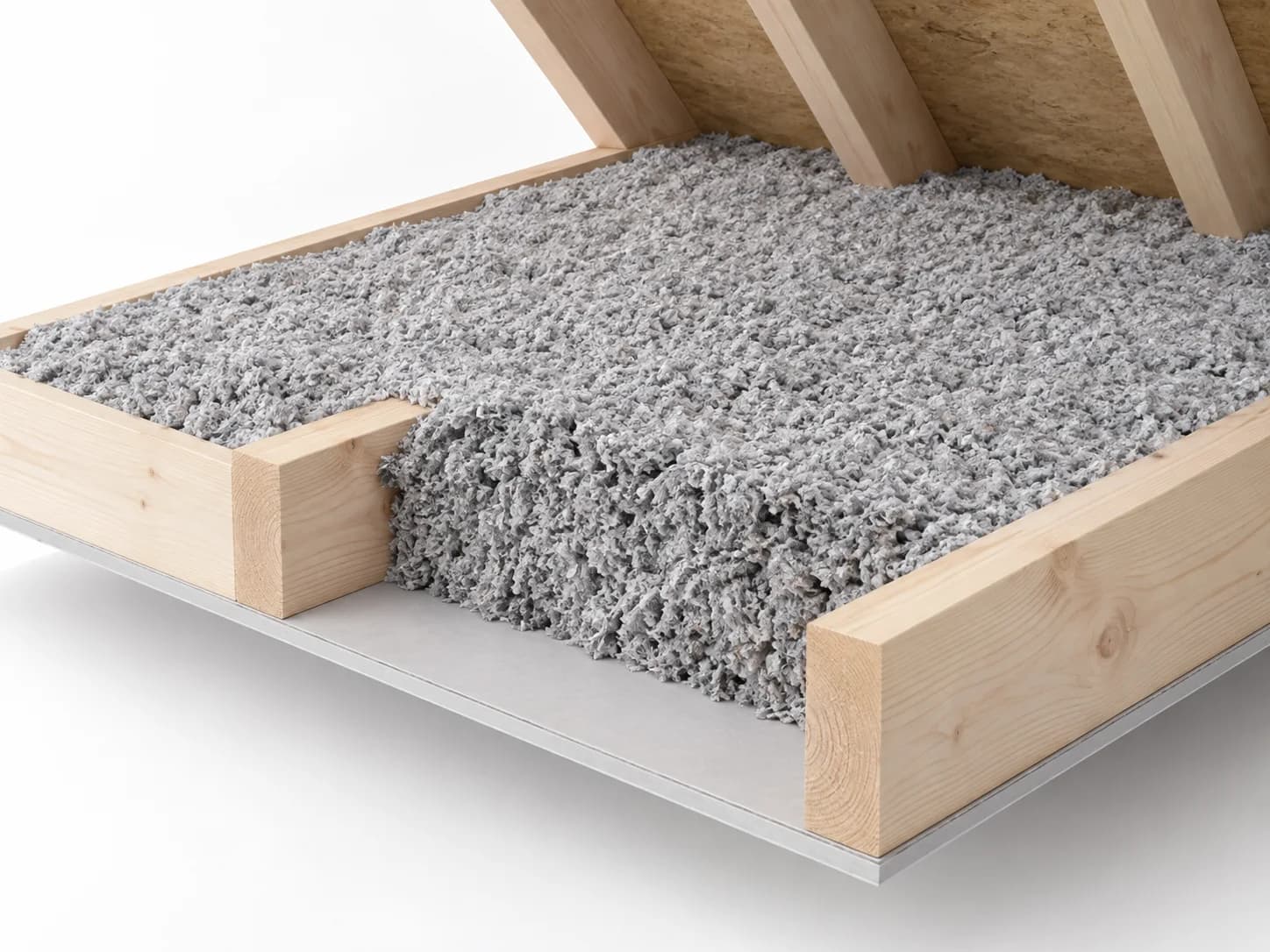
Loose-fill insulation (cellulose or ) mechanically blown into wall cavities or attic spaces, conforming to irregular shapes for complete coverage.
Board and Batten
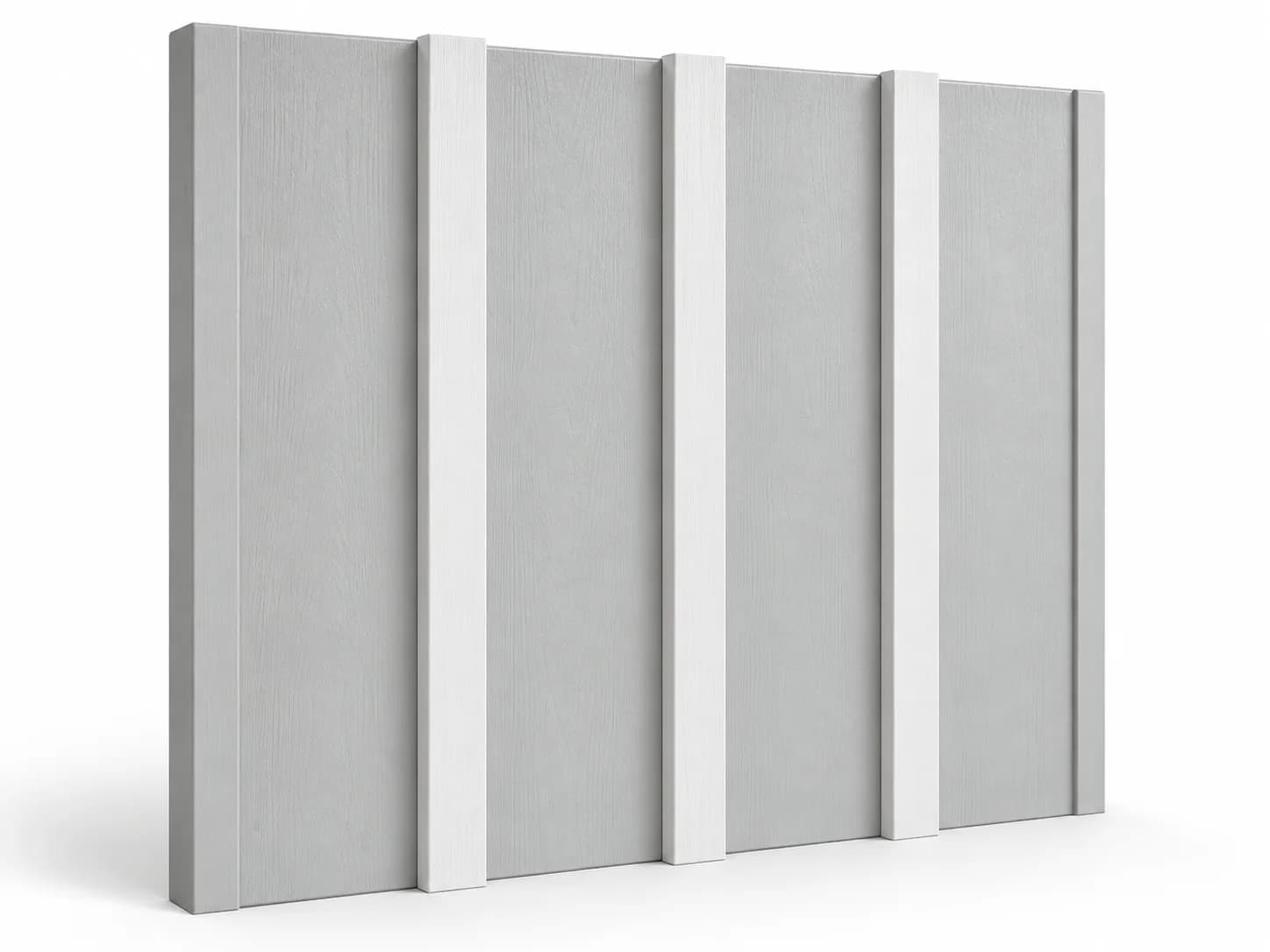
A siding style using wide vertical boards with narrow strips (battens) covering the joints between them, creating a traditional farmhouse aesthetic.
Bow Window
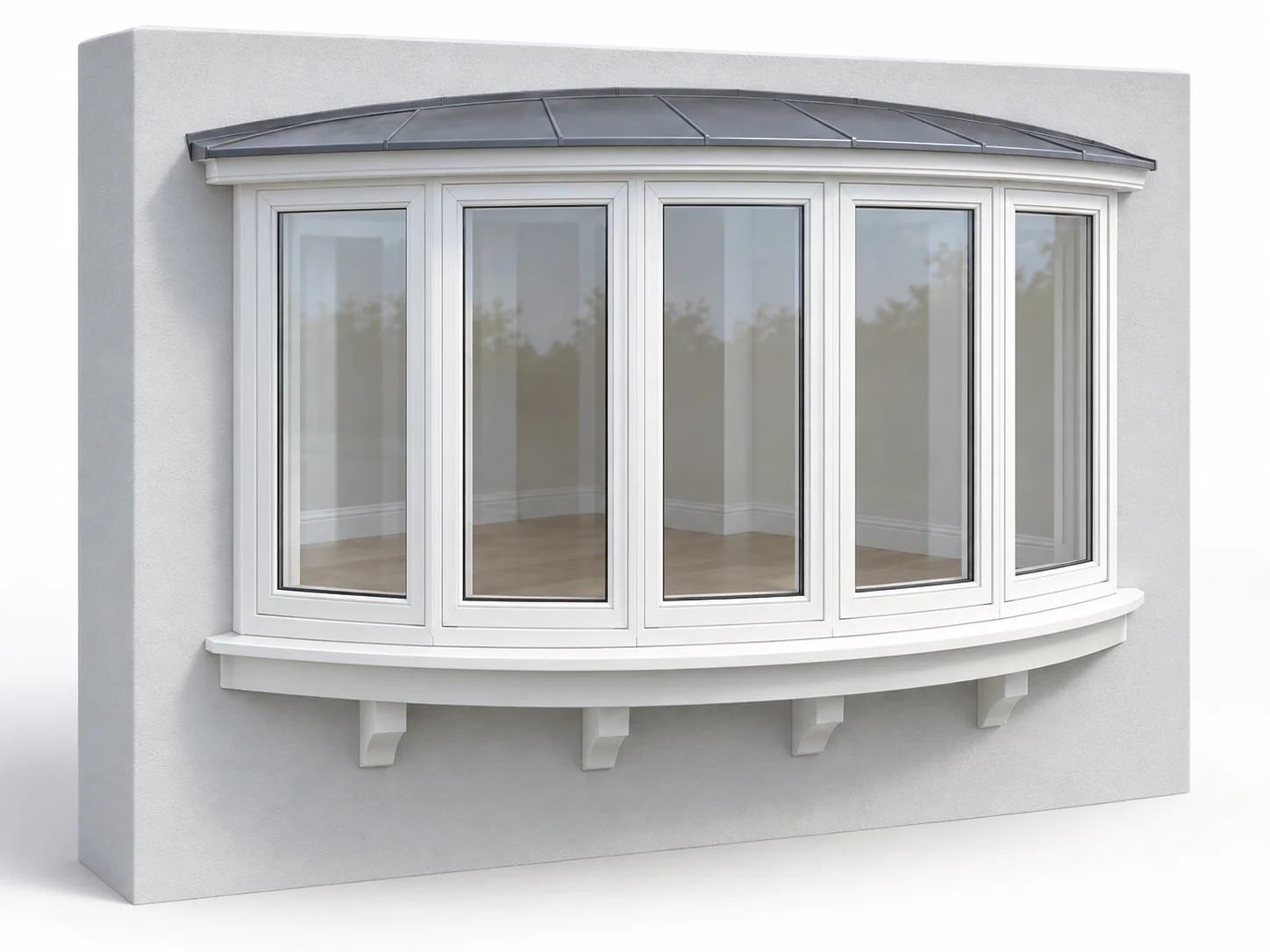
Similar to a but composed of four or more equal-sized windows arranged in a gentle curve to create a rounded appearance.
Brick Opening
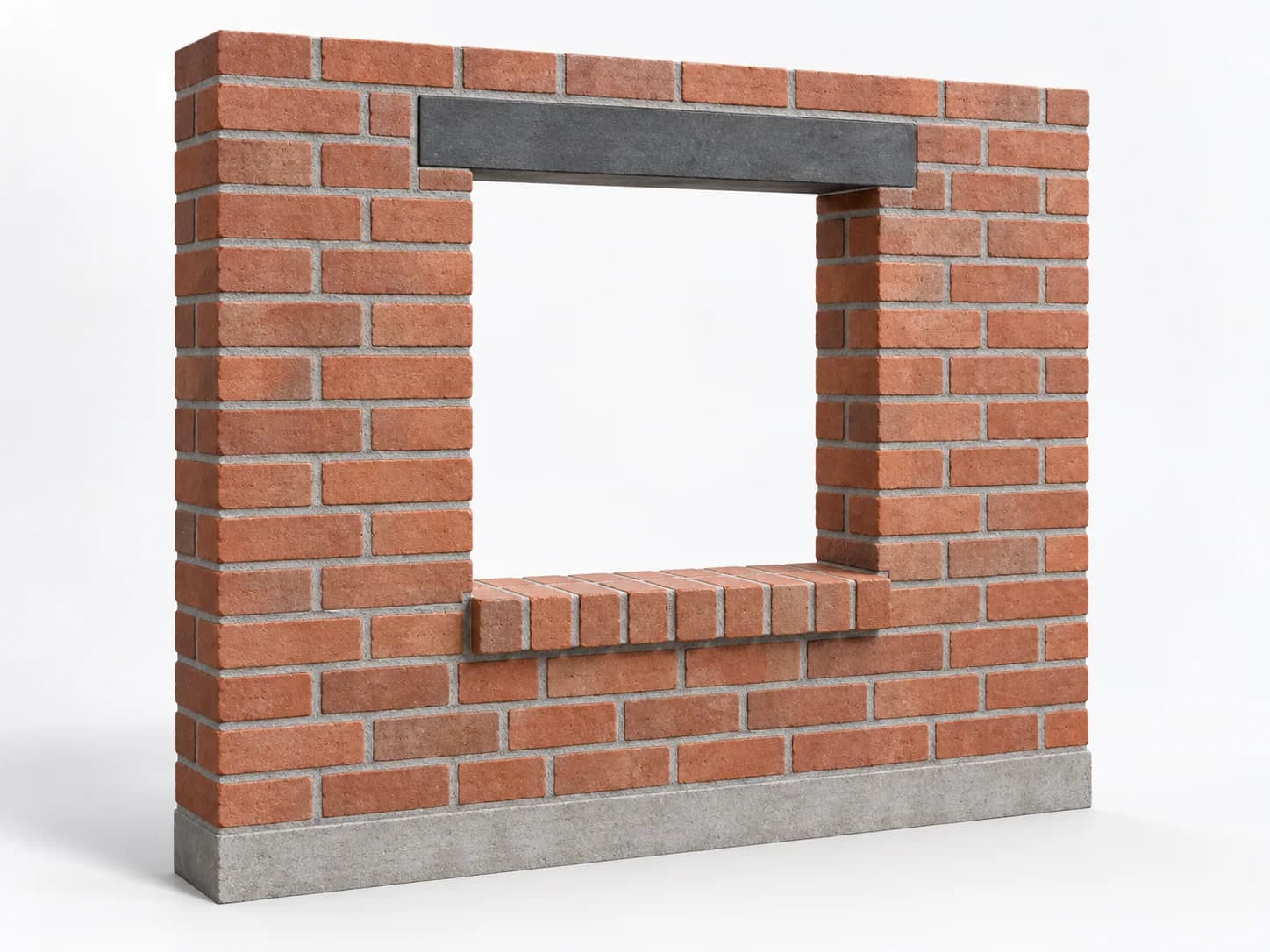
The measured opening in a brick or masonry wall where a window or door will be installed, typically measured from brick edge to brick edge.
Brickmould
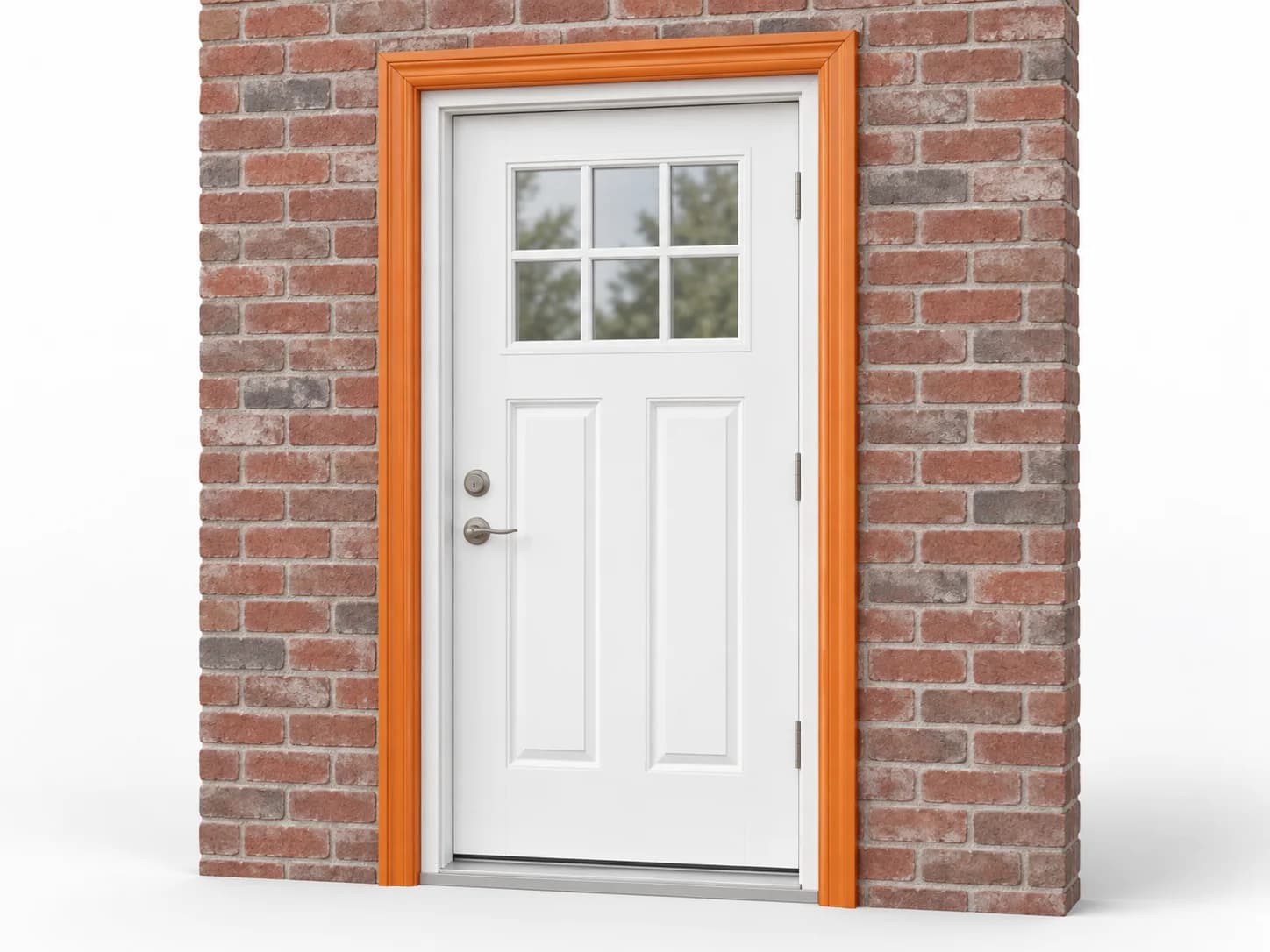
A wide, decorative exterior (trim) around a window or door, commonly used on homes with brick, stucco, or masonry exteriors.
Building Envelope
The physical barrier between the conditioned interior and unconditioned exterior of a building, including walls, roof, windows, doors, and foundation.
Building Permit
An official authorization from the local municipality required before starting construction, renovation, or certain replacement work to ensure compliance with building codes.
C
Cam Lock
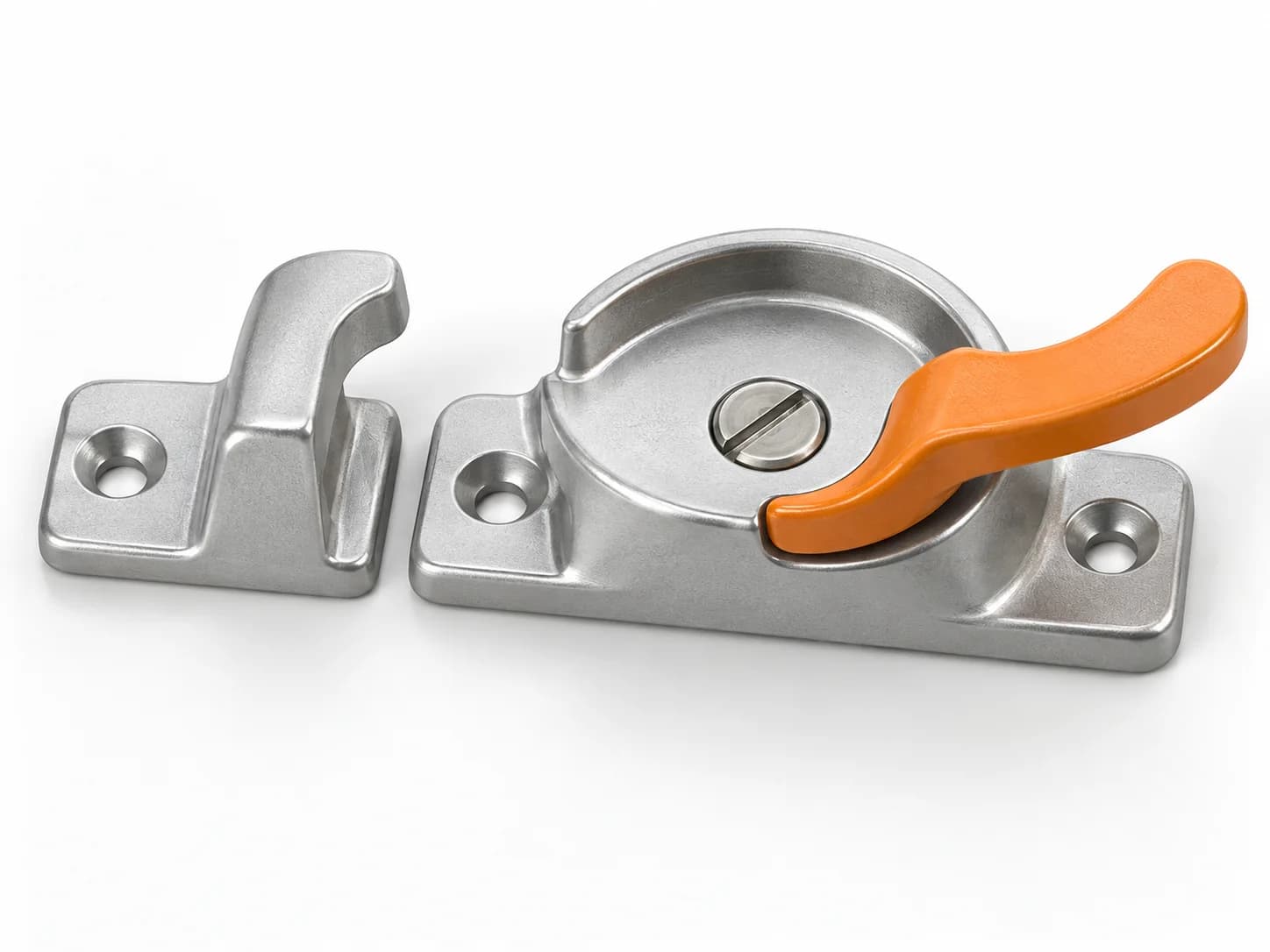
A lock commonly used on double-hung and sliding windows that rotates to pull the sash tightly against the , improving seal compression.
Capillary Break
A gap or feature designed to interrupt the capillary action of water, preventing it from being drawn through tight joints or between overlapping materials by surface tension.
Casement Window
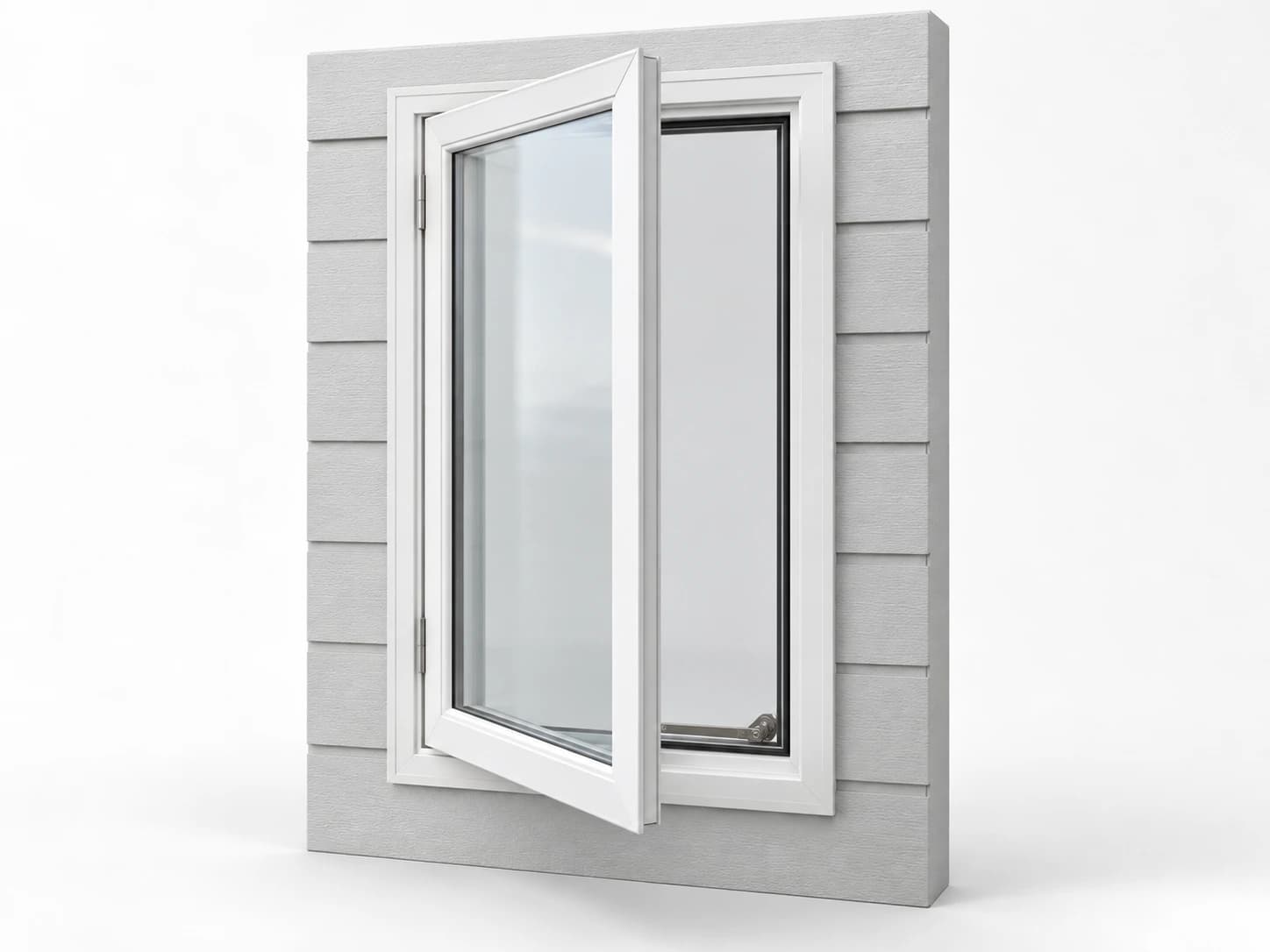
A window with a hinged on one side that swings outward like a door, operated by a crank mechanism. Offers excellent ventilation and a tight seal when closed.
Casing
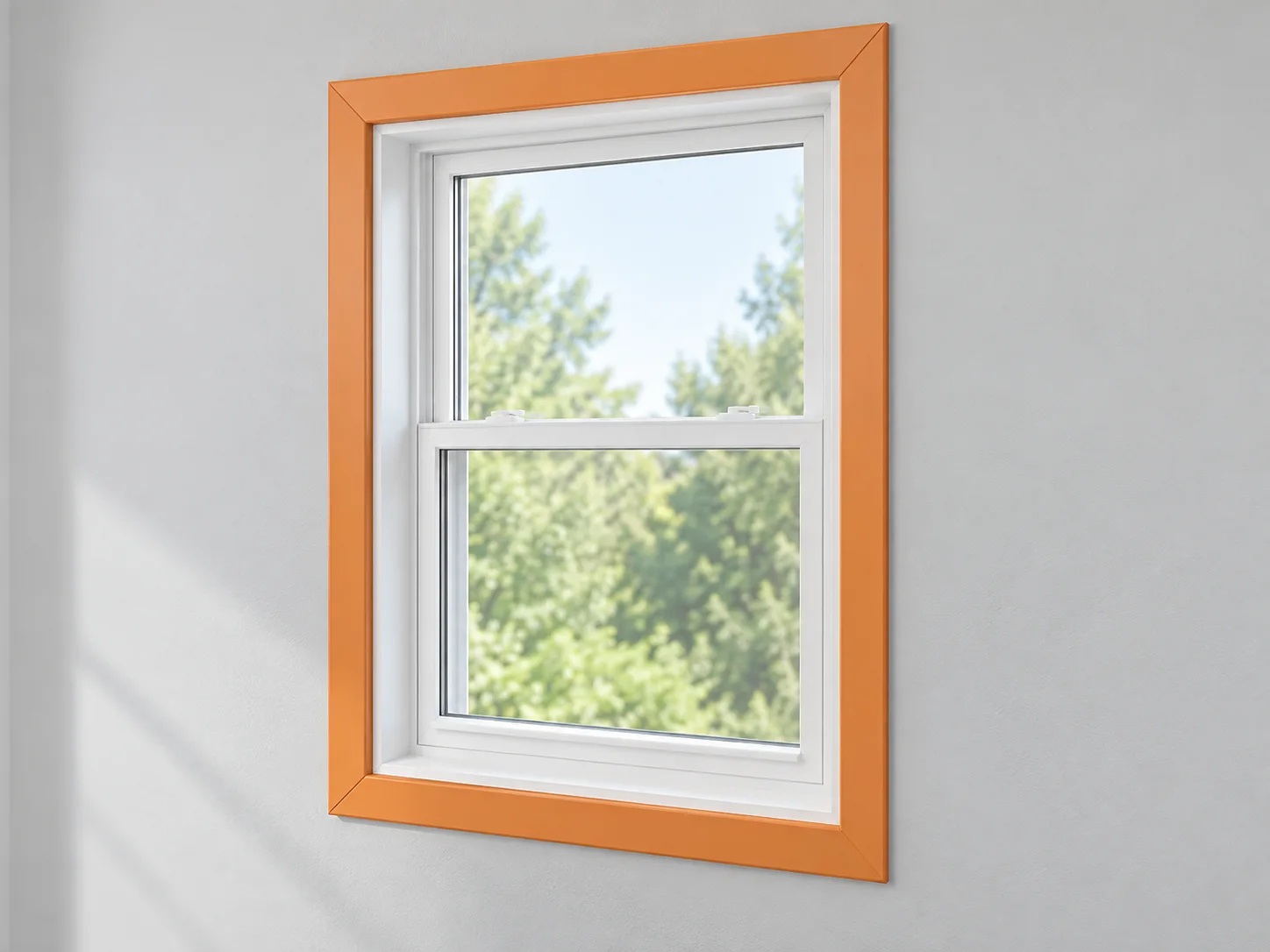
The trim or moulding that covers the gap between the window or door and the wall, providing a finished appearance.
Caulk Maintenance
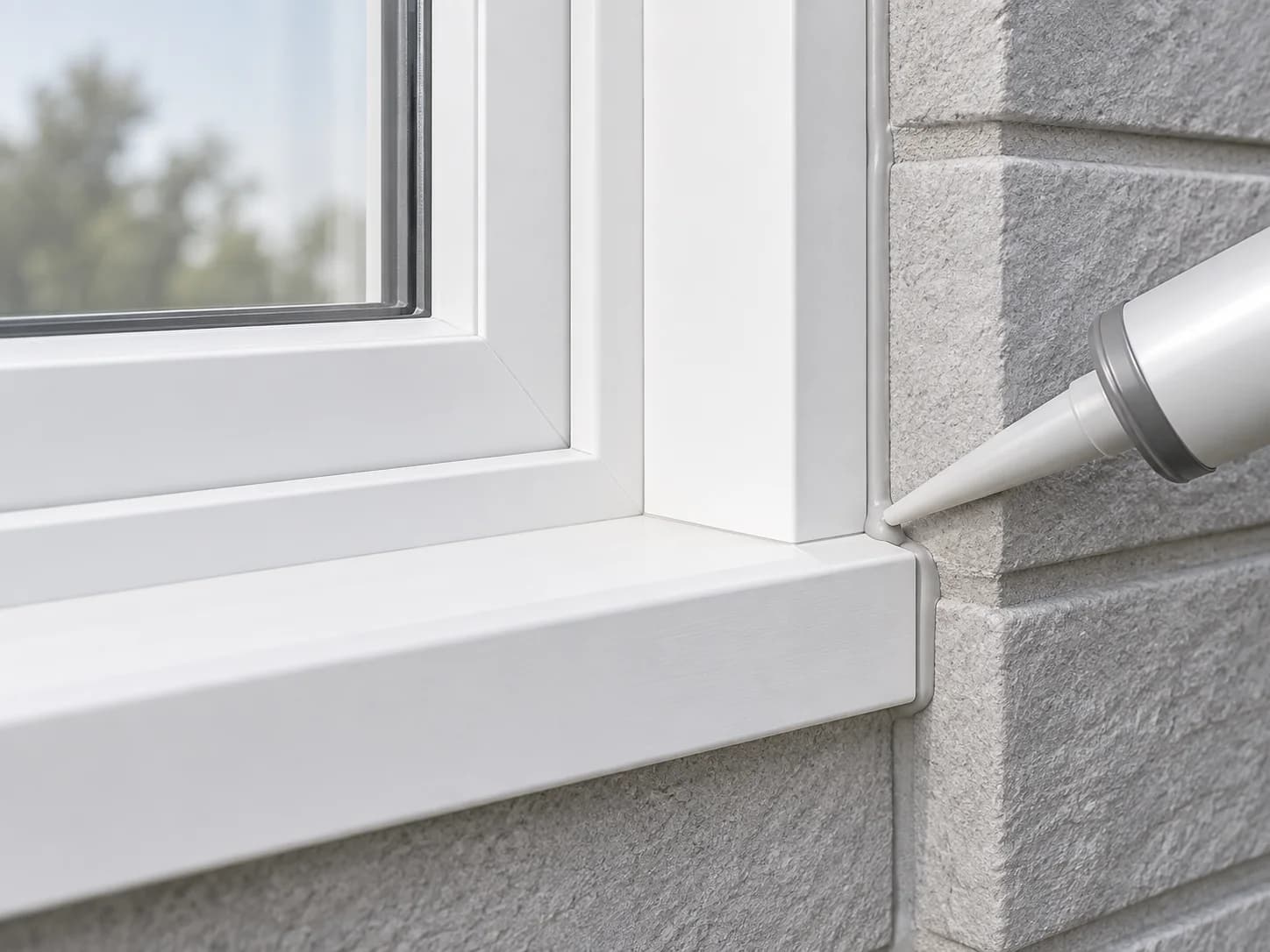
Periodically inspecting and replacing exterior around windows, doors, and siding joints to maintain a weathertight seal and prevent moisture intrusion.
Caulking
A flexible applied around window and door frames, siding joints, and trim to create a waterproof and airtight seal.
Cedar Shake Siding
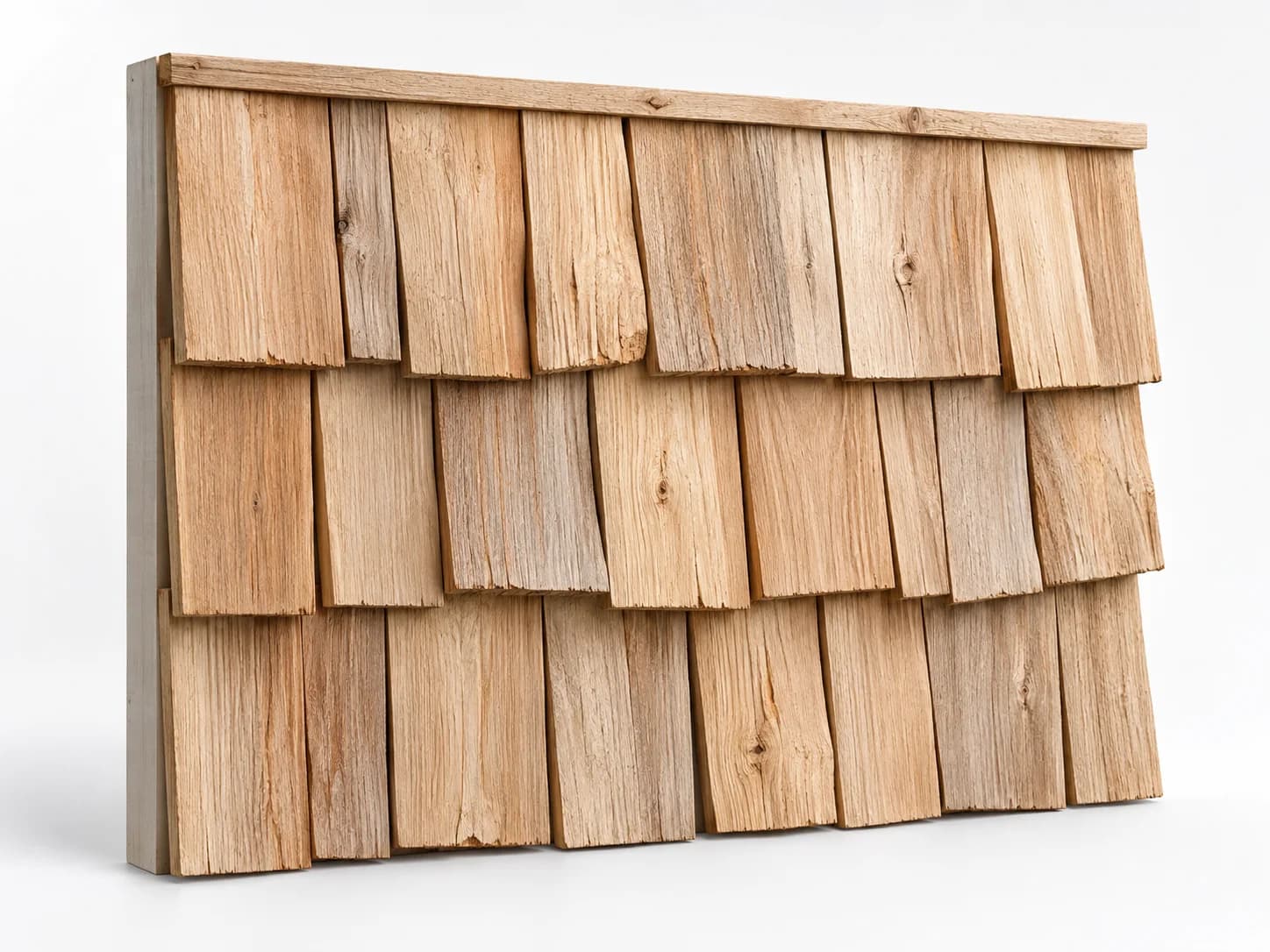
Siding made from split or sawn cedar shingles that provide a rustic, textured appearance. Naturally resistant to decay and insects but requires periodic treatment.
Centre-to-Centre (O.C.)
A measurement from the center of one structural member (stud, joist, rafter) to the center of the next, typically 16" or 24" apart in residential framing.
Clad Frame
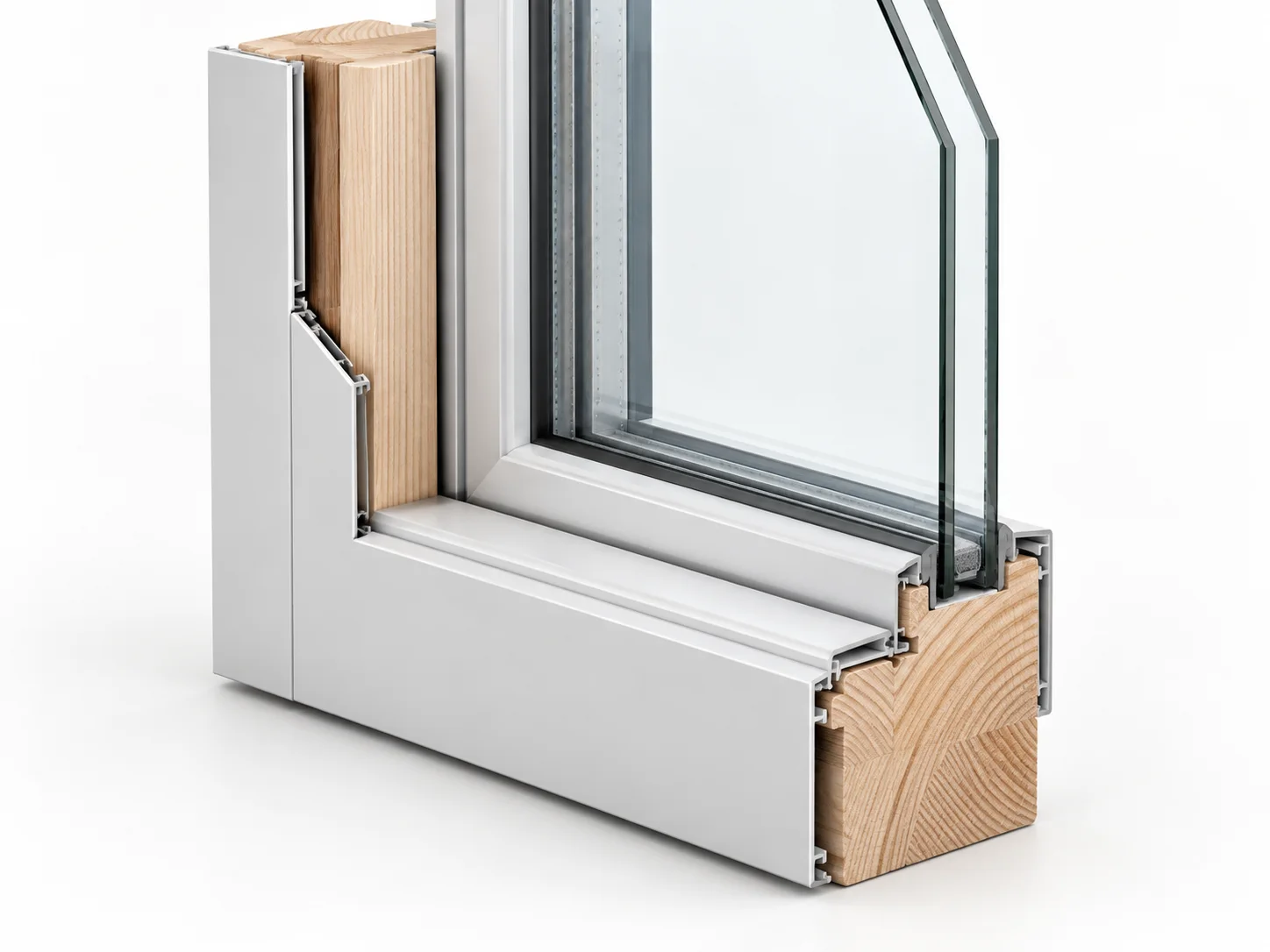
A wood window or door covered with an exterior layer of or vinyl to protect the wood from weather while retaining the warm interior wood appearance.
Composite
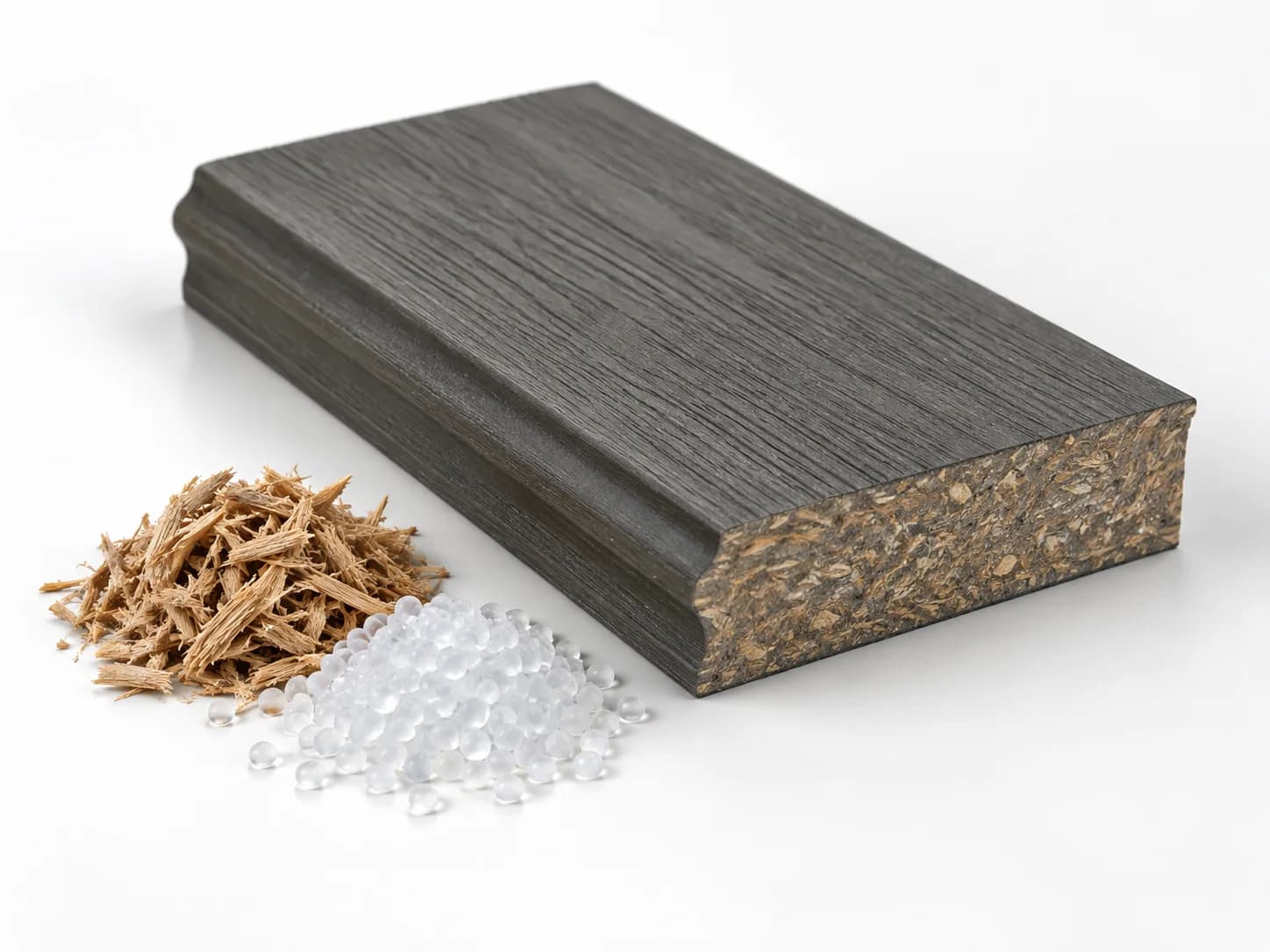
A material made by combining two or more different materials (e.g., wood fibers and plastic resin) to achieve properties superior to either component alone.
Condensation
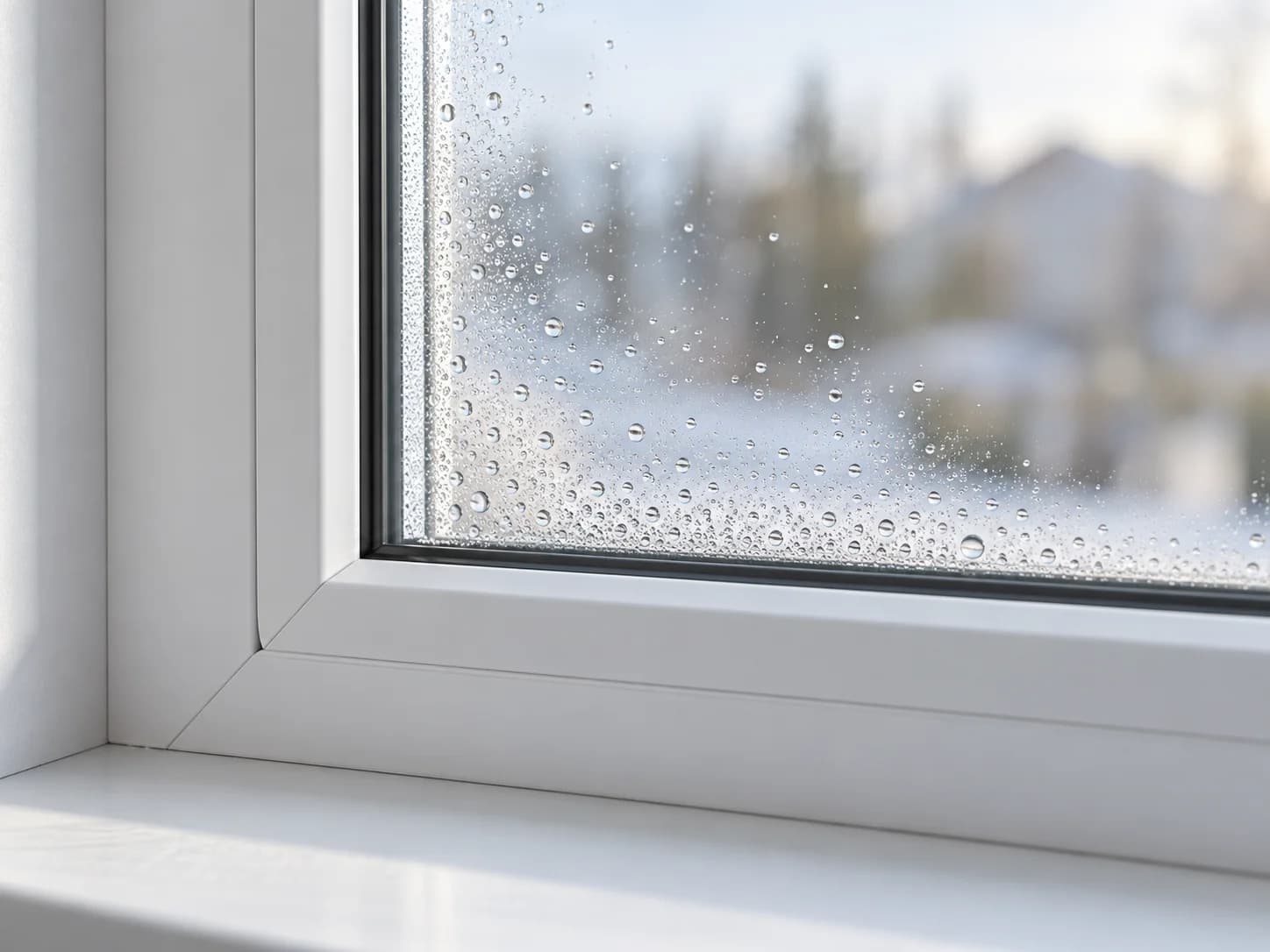
Moisture that forms when a surface is cold enough for water vapour in the surrounding air to condense. Interior surface moisture depends on humidity and surface temperature; exterior dew can occur on well-insulated glazing. Persistent moisture between the panes of a sealed can indicate . Location matters, and surface condensation alone does not prove a defective window.
Condensation Resistance (CR)
A rating from 1 to 100 indicating how well a window resists the formation of on its interior surface. Higher numbers mean better resistance.
Corner Post
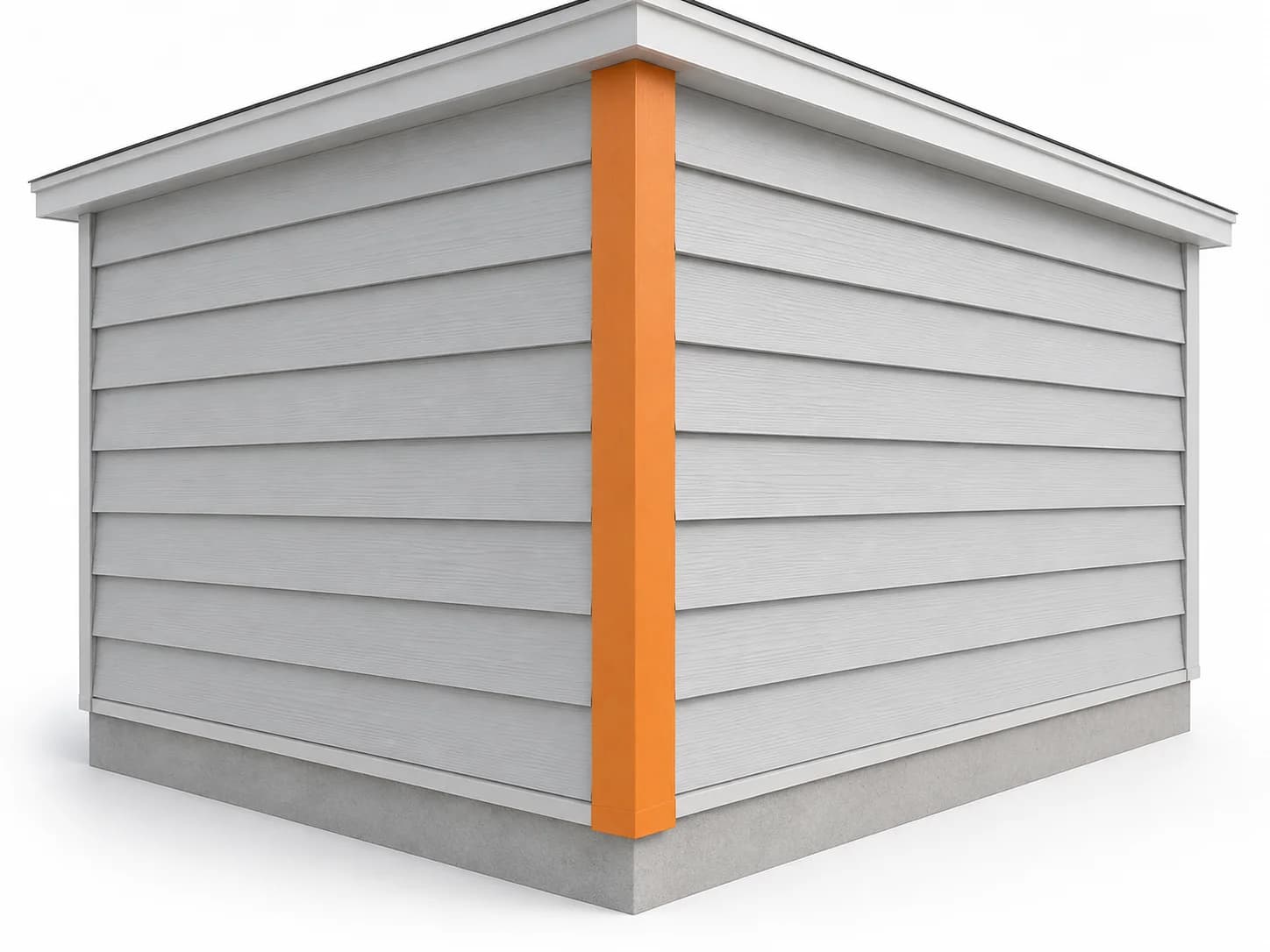
A vertical trim piece installed at the inside or outside corners of a building to provide a finished transition between siding panels on adjacent walls.
Crank Operator
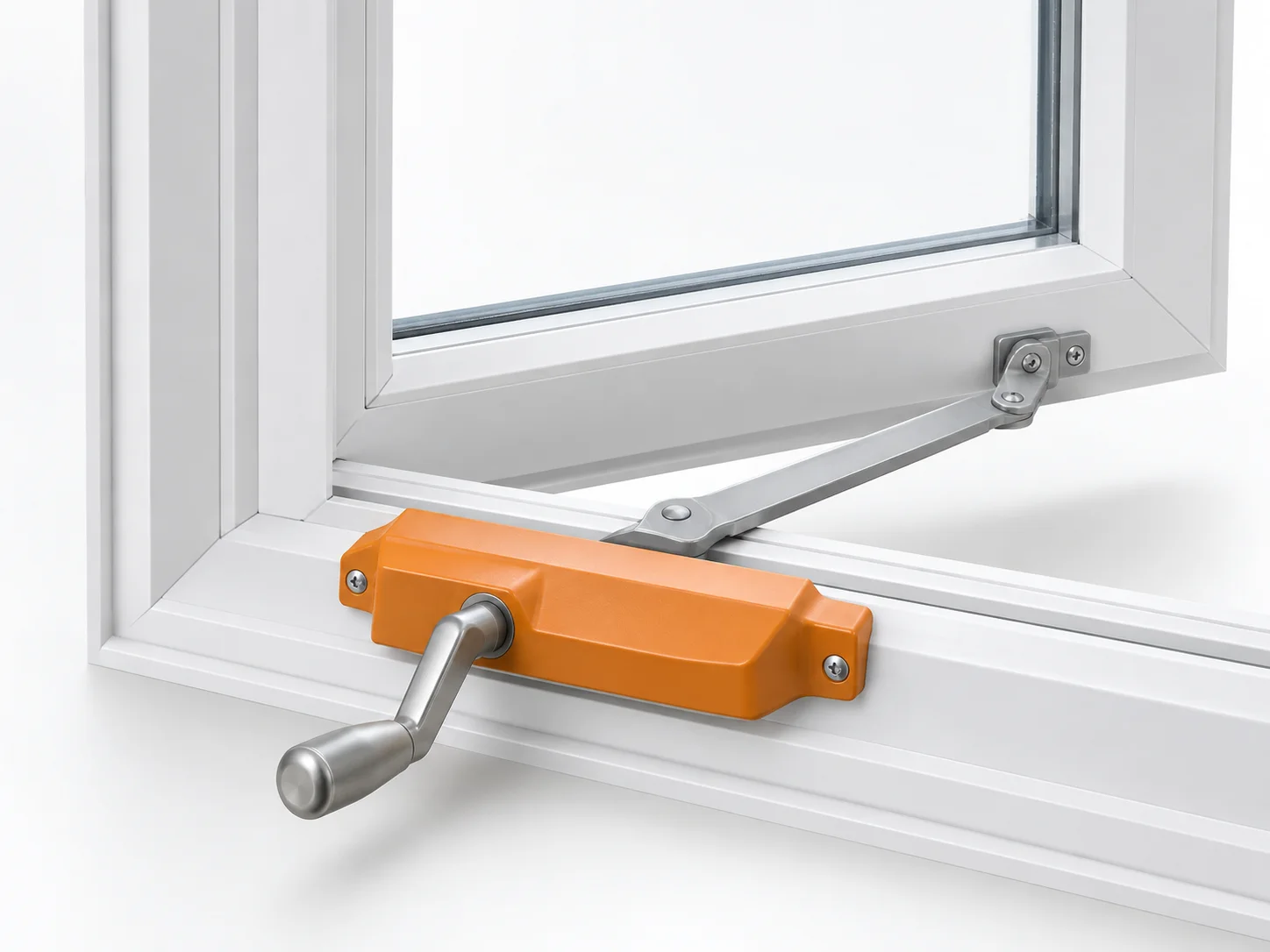
A hand-operated crank mechanism used on casement and awning windows to open and close the smoothly and precisely.
CSA Group (Canadian Standards Association)
A standards organization that develops codes and standards for building materials, including windows and doors (e.g., CSA A440 for ).
D
Daylight Opening

The visible glass area of a window or door when viewed from the interior — the actual area through which light passes, excluding and material.
Deadbolt

A lock mechanism that extends a solid metal bolt into the door , providing security beyond a standard latch. Single-cylinder deadbolts use a key outside and thumb turn inside.
Design Pressure (DP)
A rating indicating the maximum wind load a window or door can withstand without failure. Higher DP ratings mean greater structural strength.
Door Handing
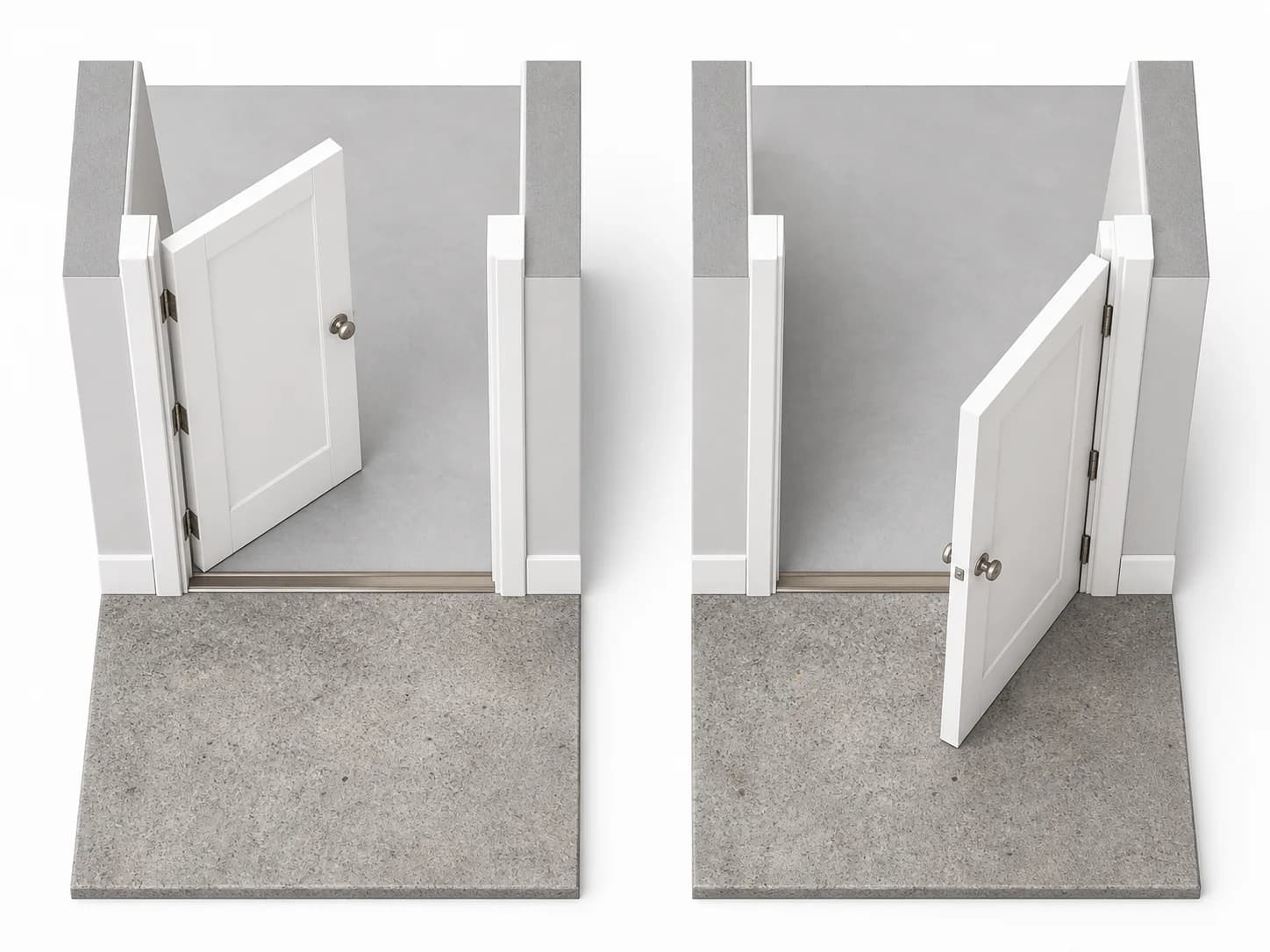
The designation of a hinged door's operating direction, based on hinge position and swing. Left-hand and right-hand conventions can differ between suppliers, so confirm the viewing side, hinge side and on the manufacturer's ordering diagram.
Door Knocker
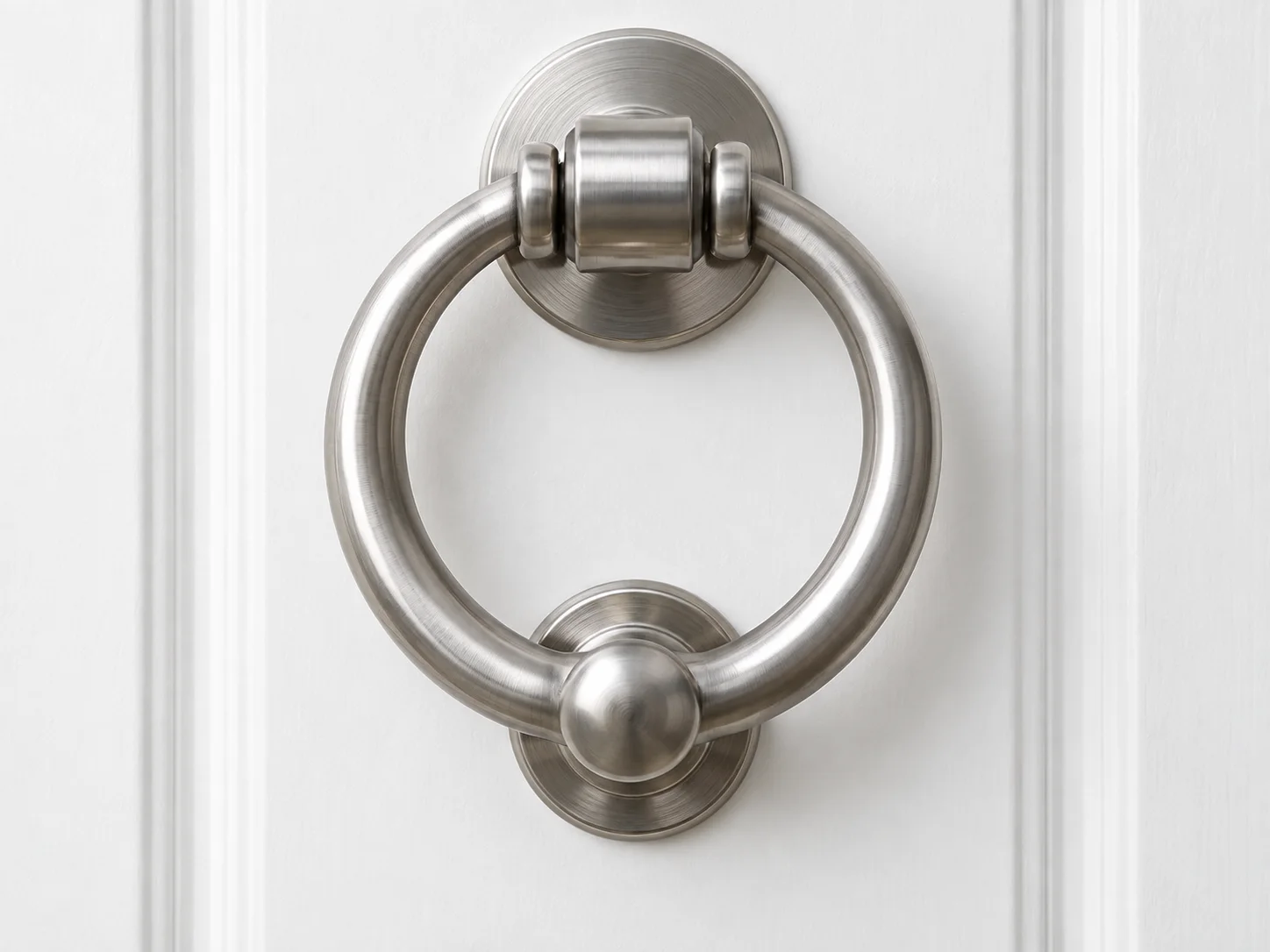
A decorative metal fixture mounted on the exterior of an , used by visitors to announce their presence.
Door Lite
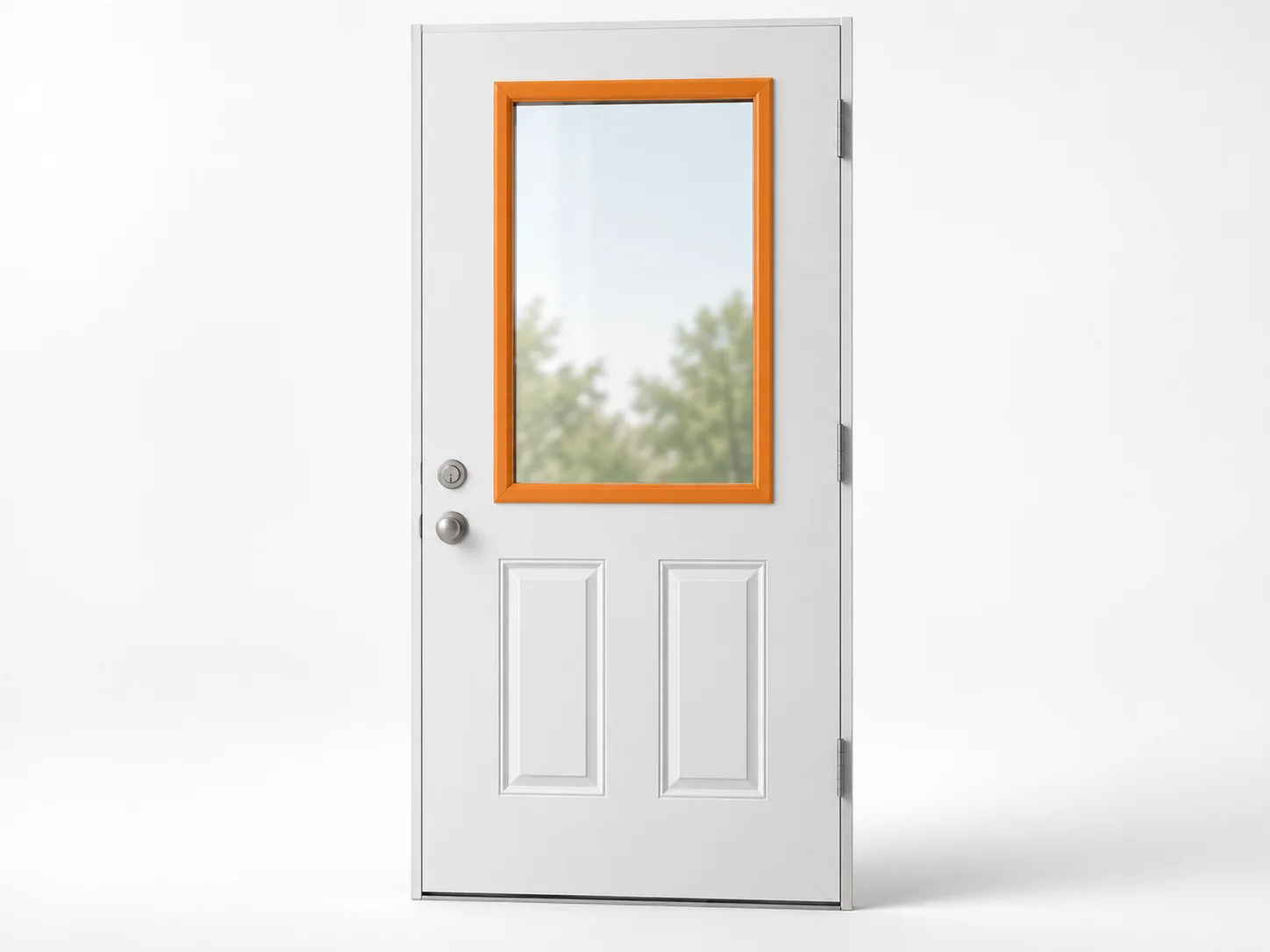
A glass panel or glazed insert within a , such as a full-lite, half-lite or small decorative insert. A is a separate glazed panel beside the door, not a lite within the slab.
Door Slab
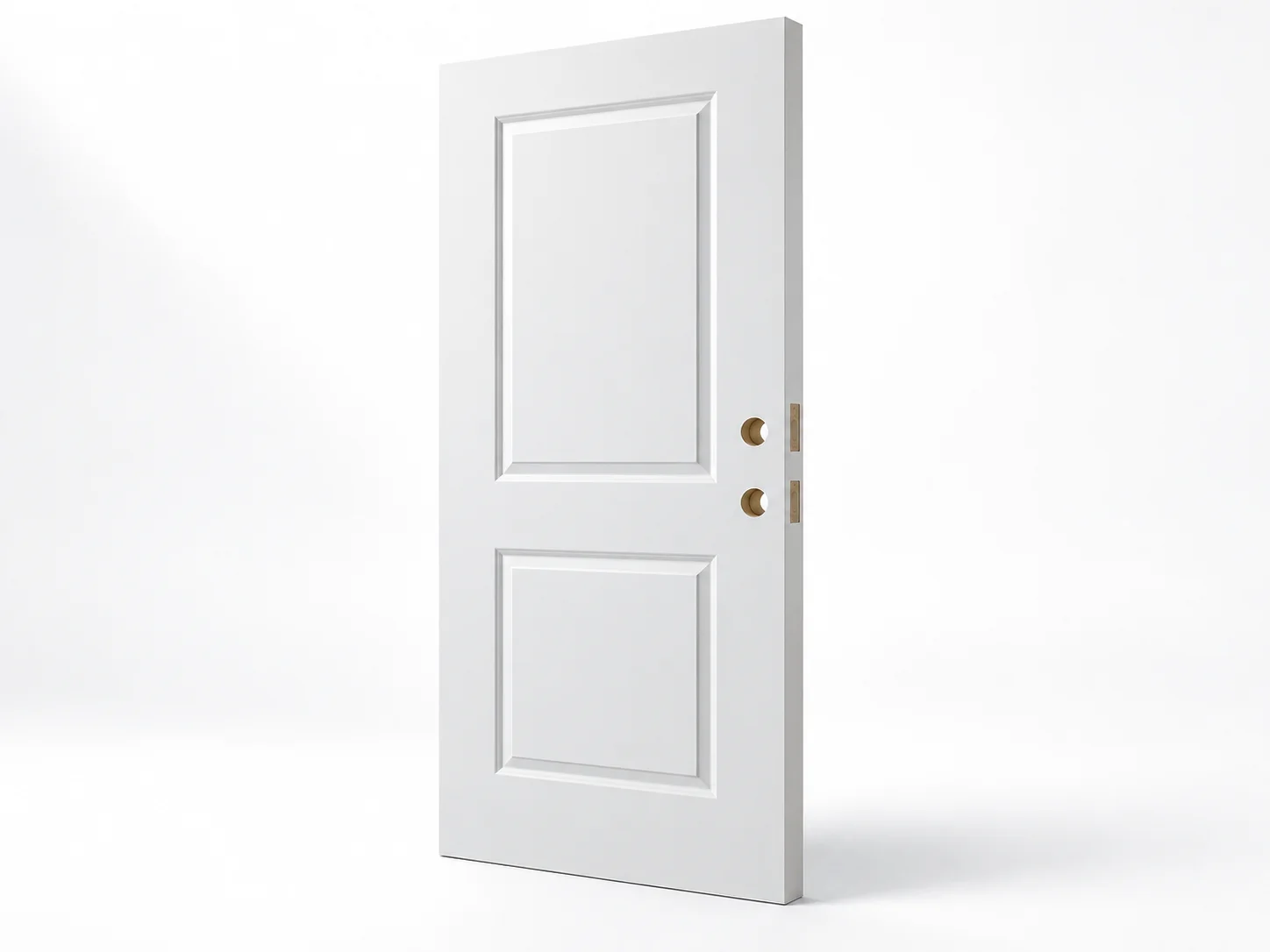
The door panel itself, without the surrounding . It may be solid or contain a . A slab-only replacement must suit the existing frame, hinge positions, hardware preparation and clearances; it is different from a complete assembly.
Door Sweep
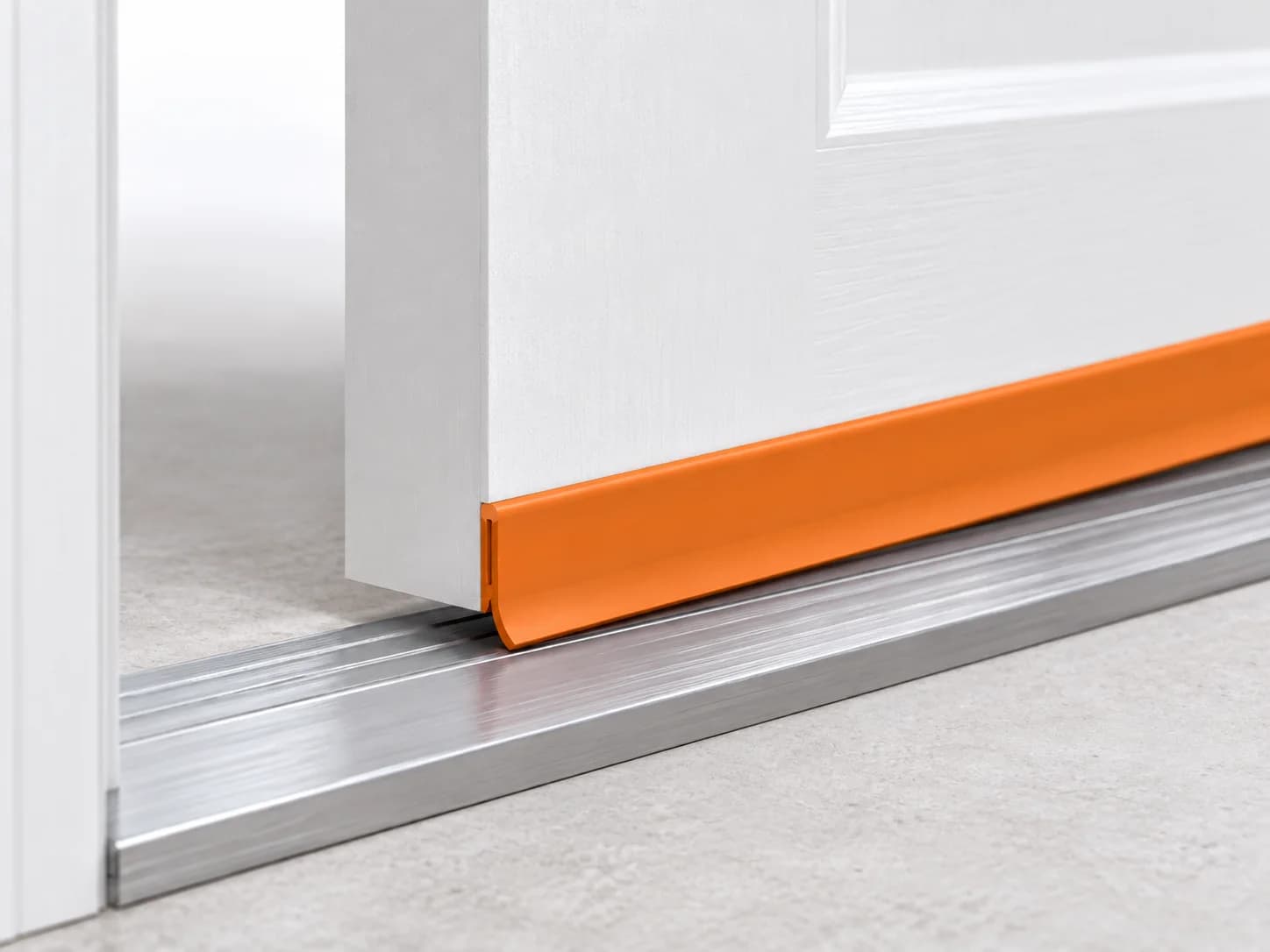
A strip of flexible material attached to the bottom of a door to seal the gap between the door and the , blocking drafts, moisture, and pests.
Double-Hung Window
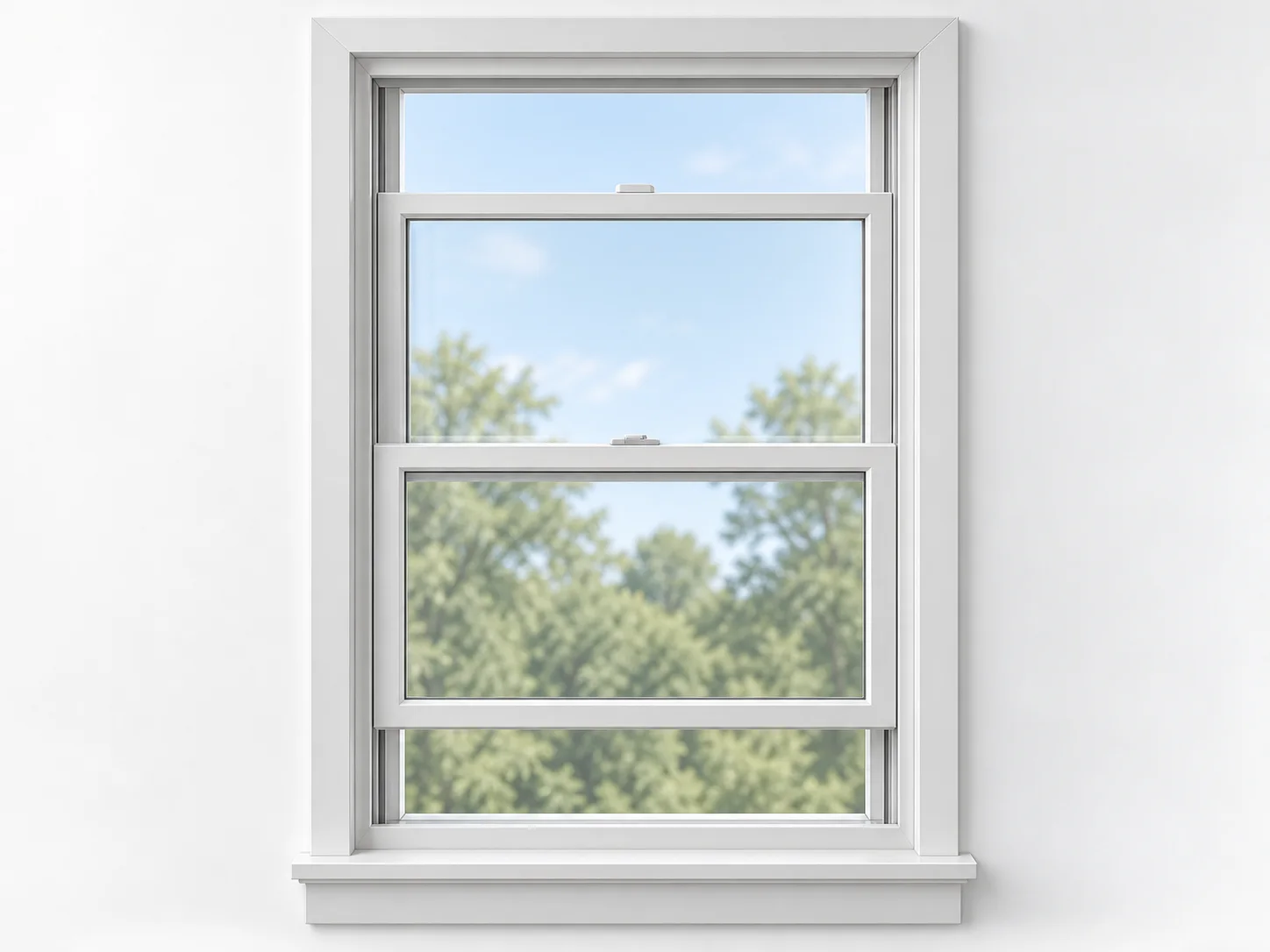
A window with two vertically sliding sashes that can both move up and down independently, allowing ventilation from the top, bottom, or both.
Double-Pane Glass
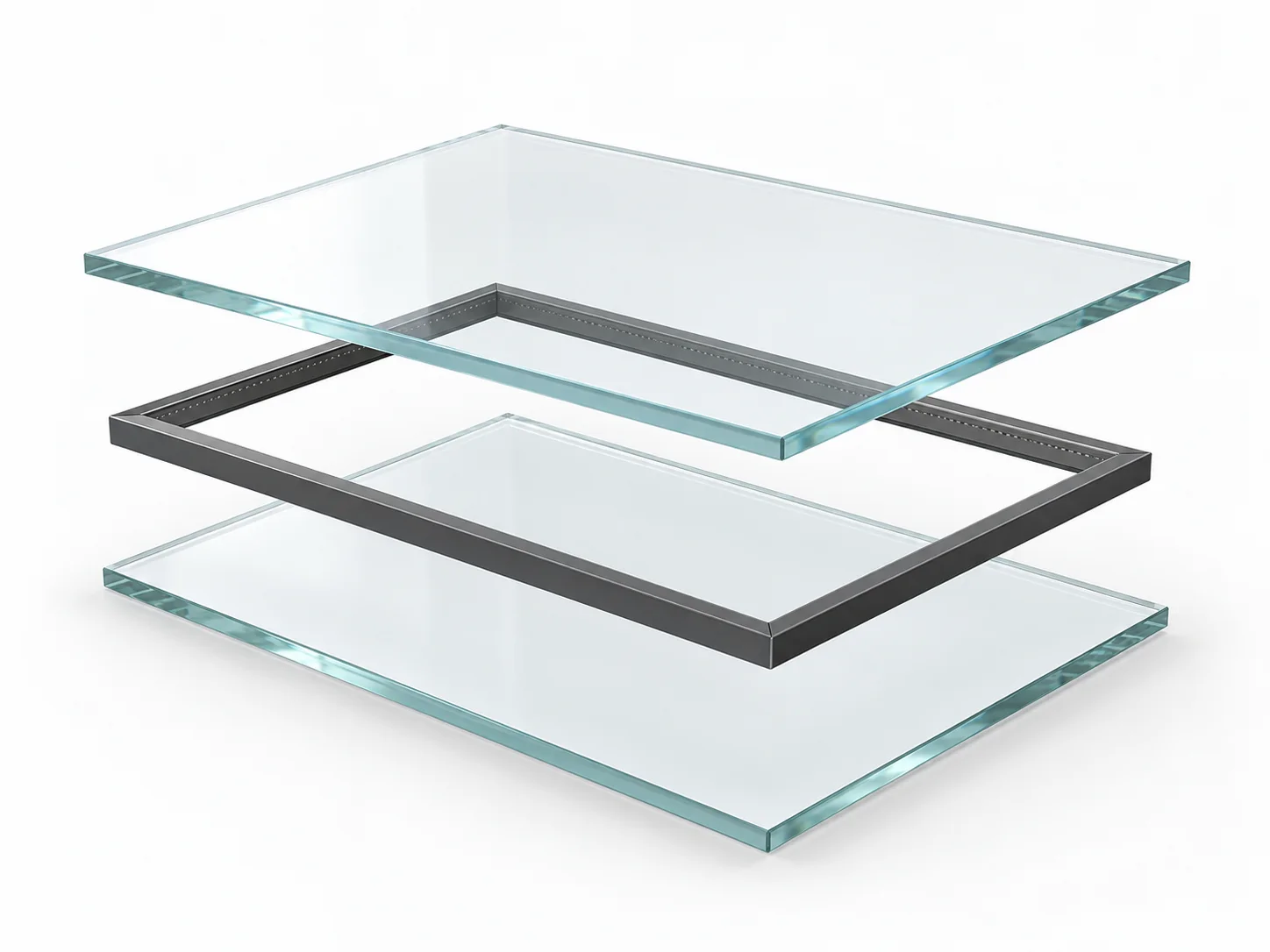
An consisting of two glass panes separated by a sealed air or gas-filled space, significantly improving thermal performance.
Downspout
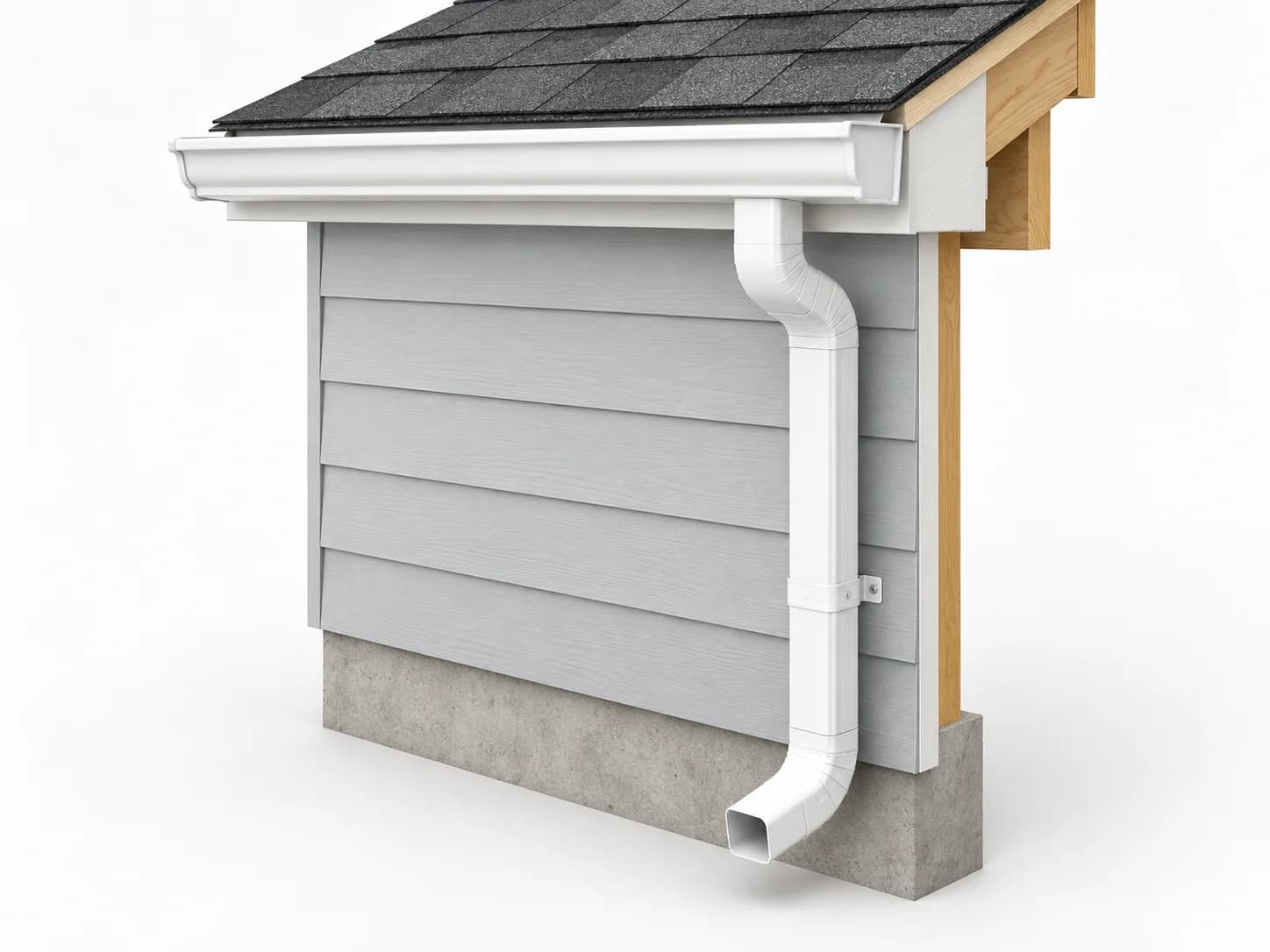
A pipe that carries water from an toward a suitable discharge or drainage connection. The outlet should manage water away from the foundation in accordance with the site drainage plan and local requirements.
Drip Cap
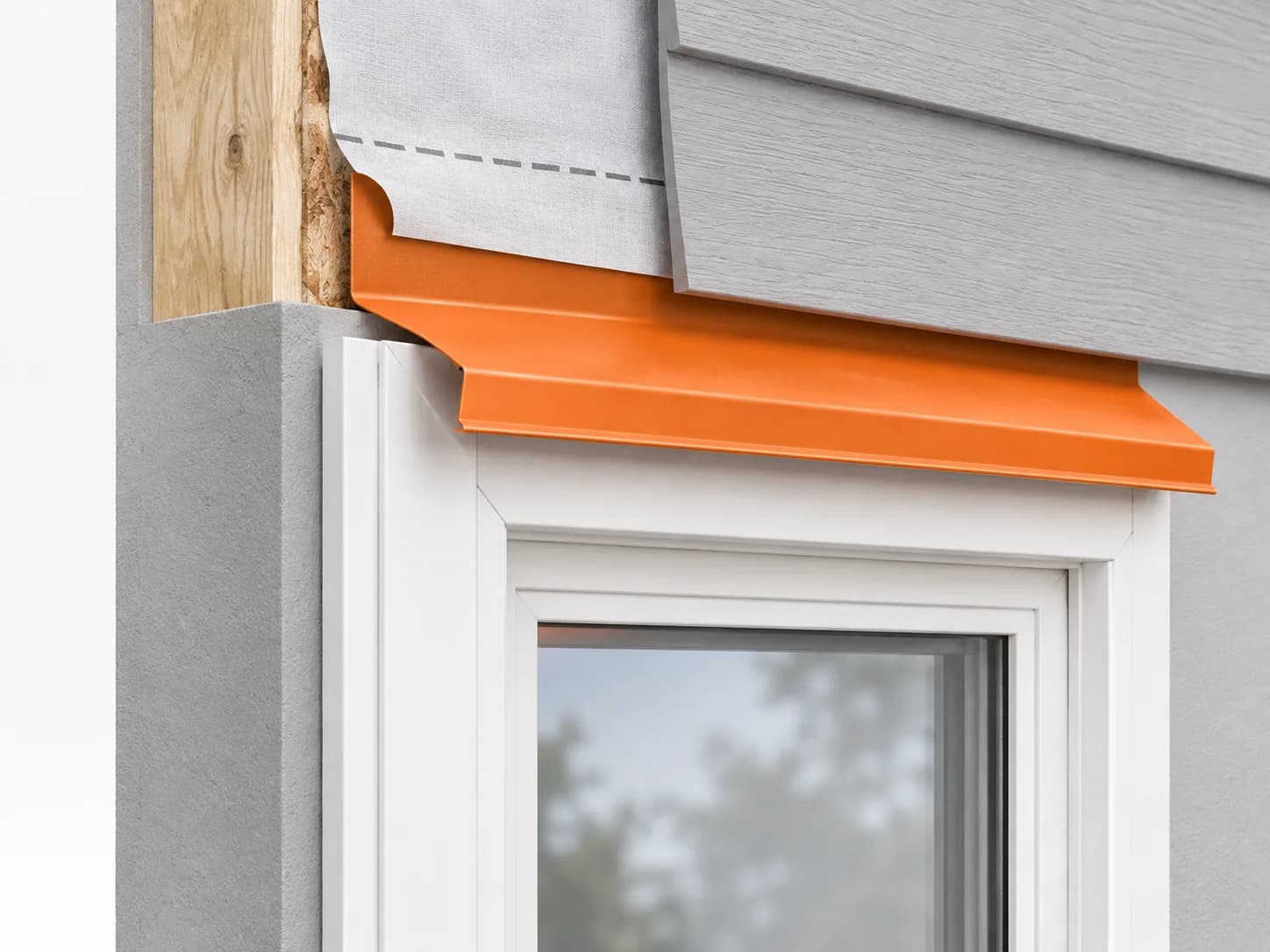
above a window, door or horizontal trim that directs water out over the face below. Often formed with a Z-shaped profile, it must be integrated with the and surrounding flashing rather than relying on alone.
Dry Fit
The practice of placing a window or door into the without fasteners to verify proper fit, alignment, and clearance before final installation.
Dutch Door
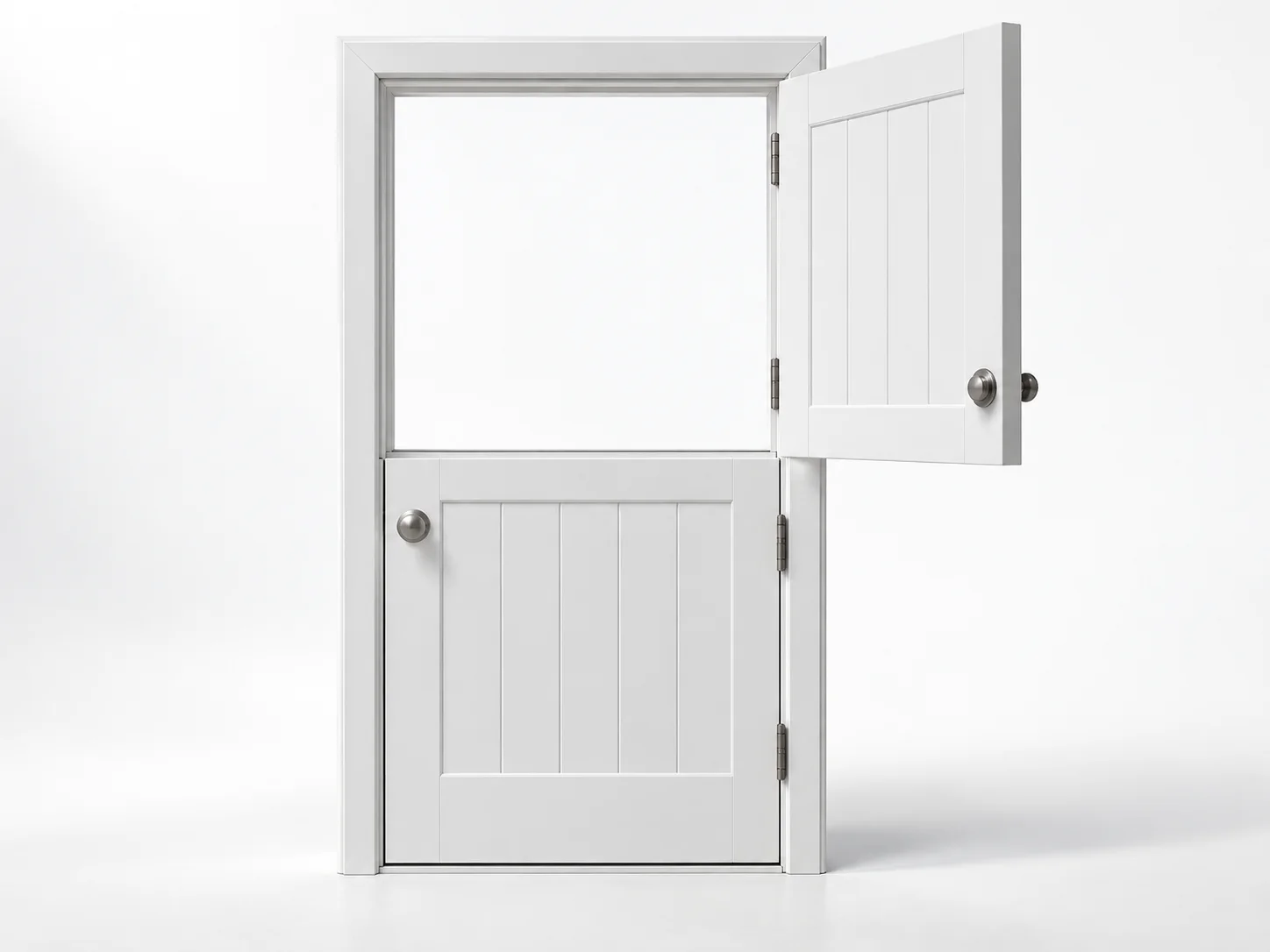
A door divided horizontally so the top half can open independently of the bottom half, allowing air and light in while the lower portion stays closed.
Dutch Lap
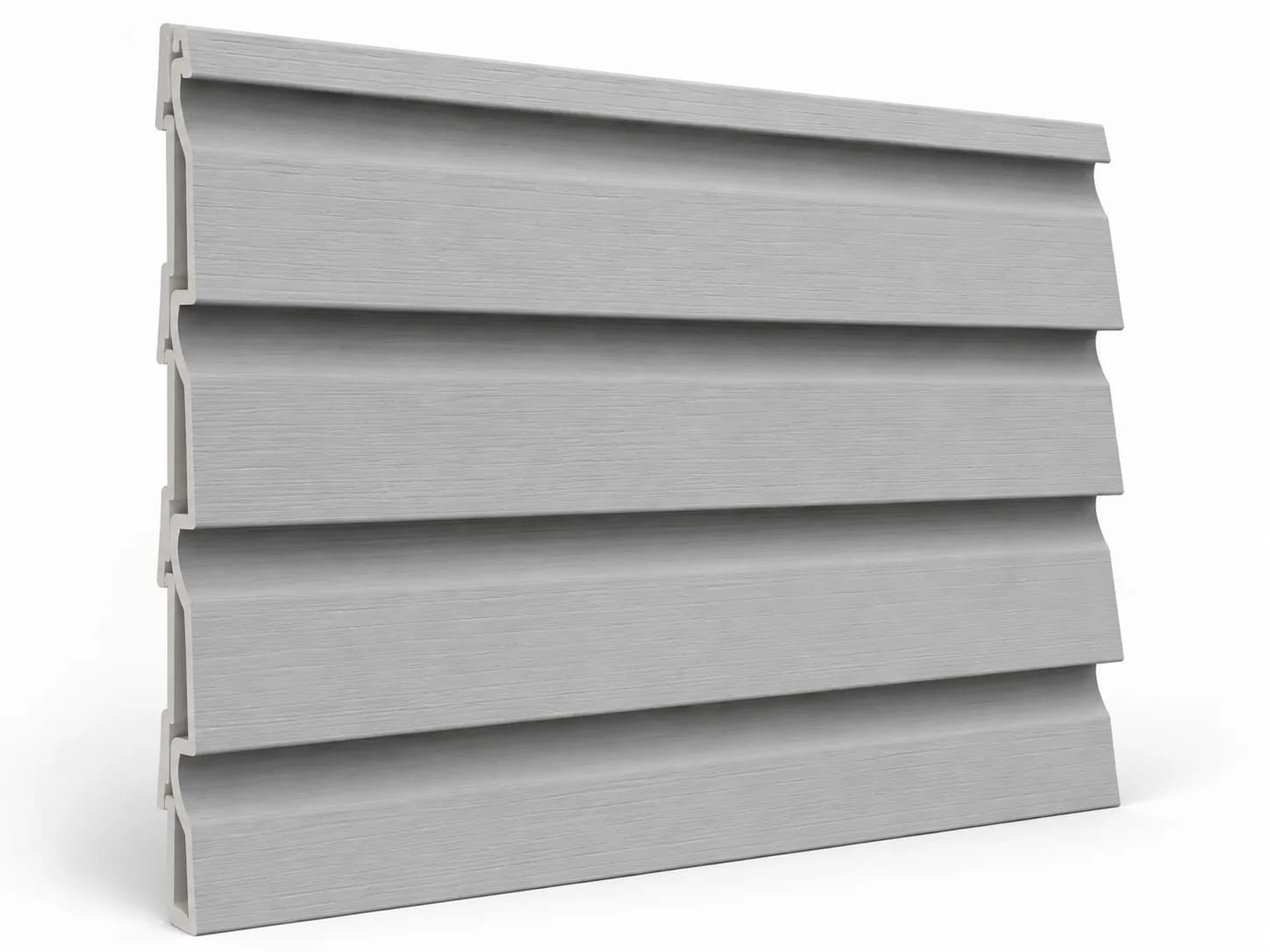
A horizontal profile with a shaped recess or bevel near the top of each exposed course, creating a pronounced shadow line. It describes the visible profile, not a separate siding material, and differs from a straighter traditional clapboard face.
E
Eavestrough / Gutter
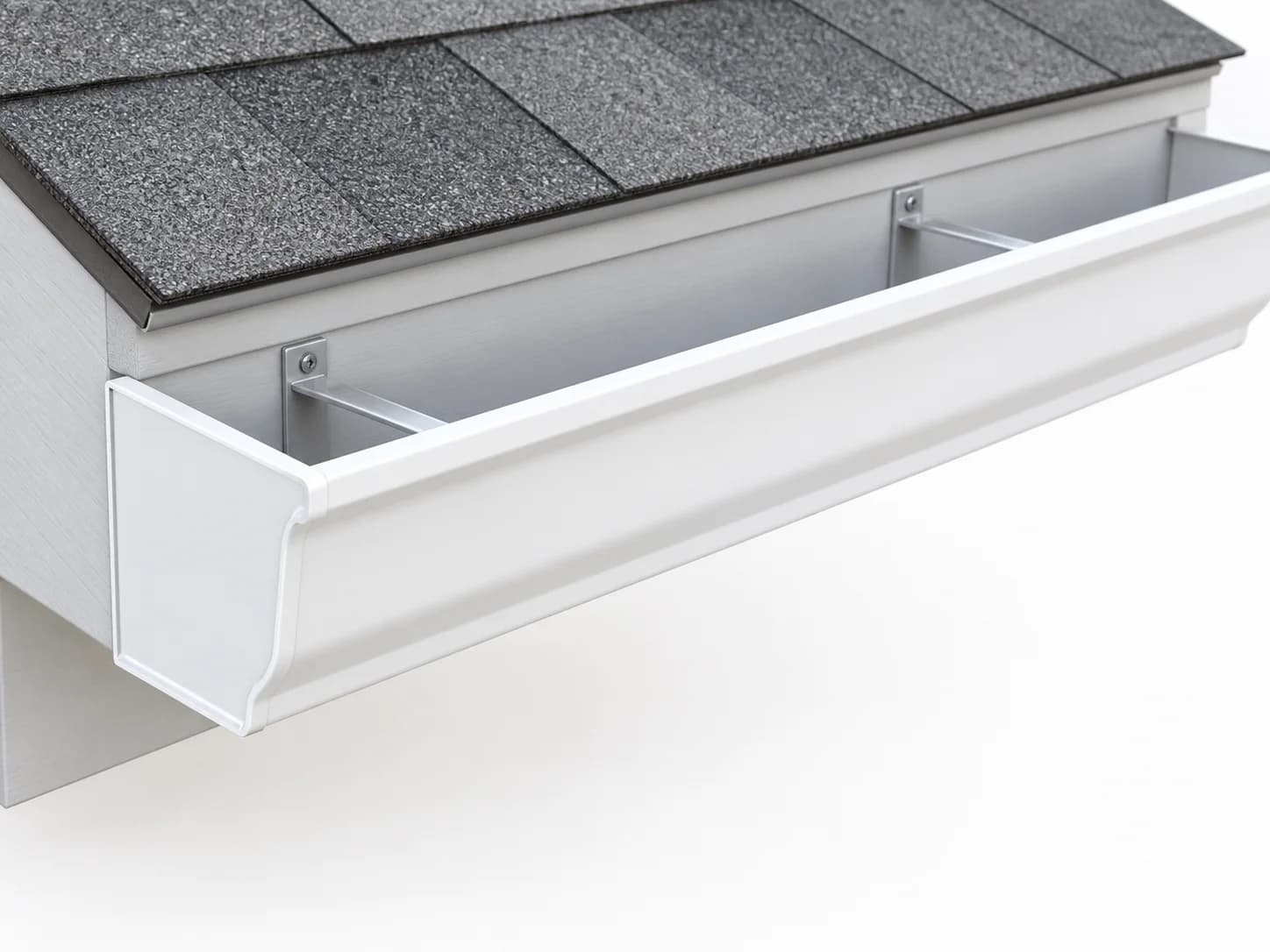
A channel along the lower roof edge that collects runoff and carries it to a . Eavestrough is the common Canadian name for a roof gutter. Its sizing, slope, outlets and maintenance affect how reliably it manages roof water.
Eavestrough Cleaning
Removing leaves, debris, and sediment from and to ensure proper water drainage away from the home's foundation and prevent overflow damage.
Egress Window
A window intended to provide an emergency escape opening where required by the applicable building code. Compliance depends on the clear openable area, operation, access and any , not simply the overall size. Confirm requirements for the room and project with the local building department.
EnerGuide
A Canadian labeling program that provides standardized energy-efficiency ratings for windows, doors, heating systems, and other products.
Energy Rating (ER)
A Canadian performance metric that balances heat gain from the sun, heat loss through the and glass, and air leakage. Higher ER values indicate better overall energy performance.
ENERGY STAR Canada
A voluntary energy-efficiency certification program administered in Canada by Natural Resources Canada. Certified windows and doors meet national performance criteria under the applicable specification, rather than the older climate-zone certification system. Certification is distinct from building-code compliance; check the exact product model and configuration.
Engineered Wood Siding
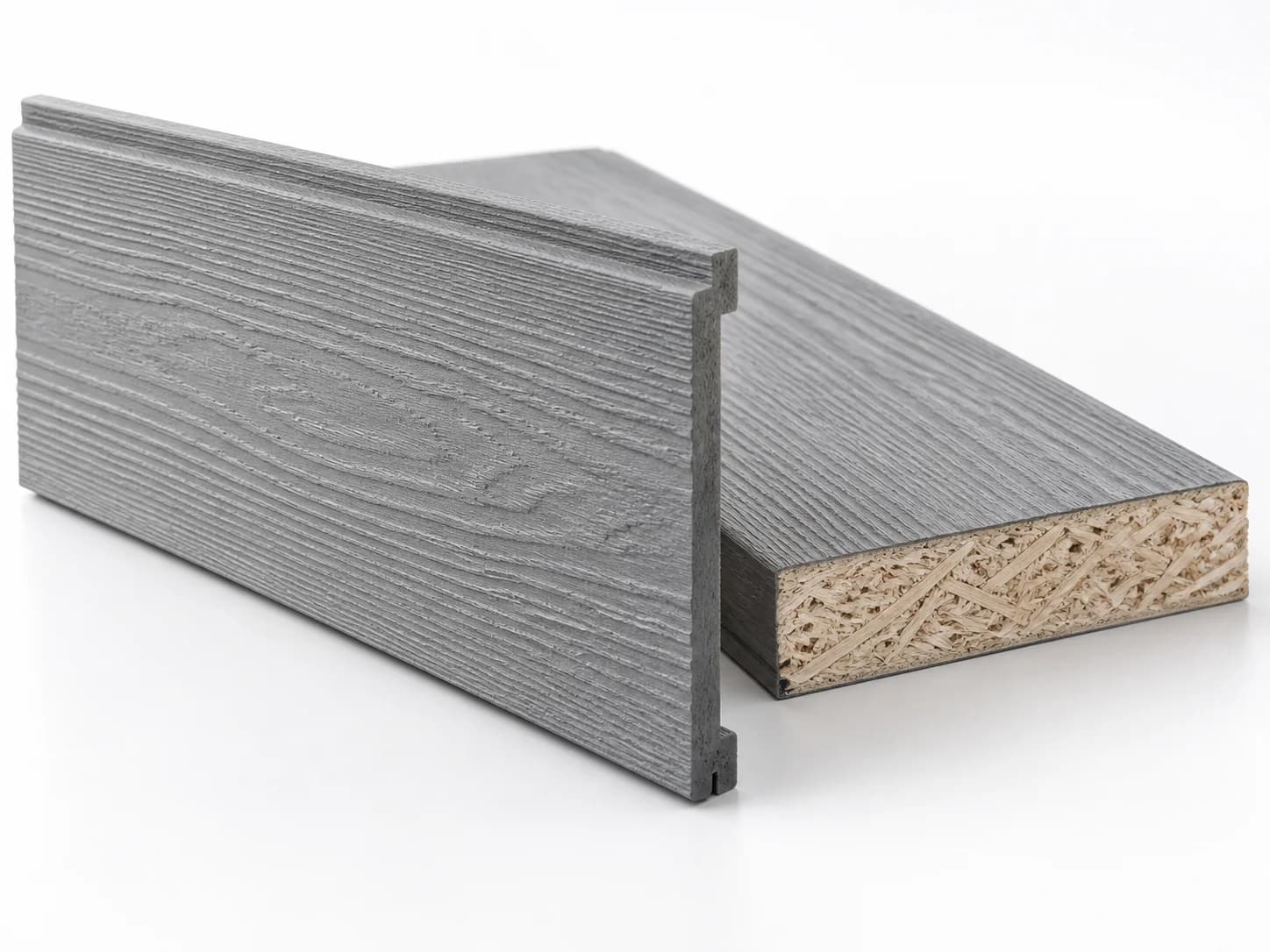
Siding manufactured from wood strands, fibers, and resins bonded under heat and pressure. Offers the appearance of real wood with improved resistance to moisture and insects.
Entry Door
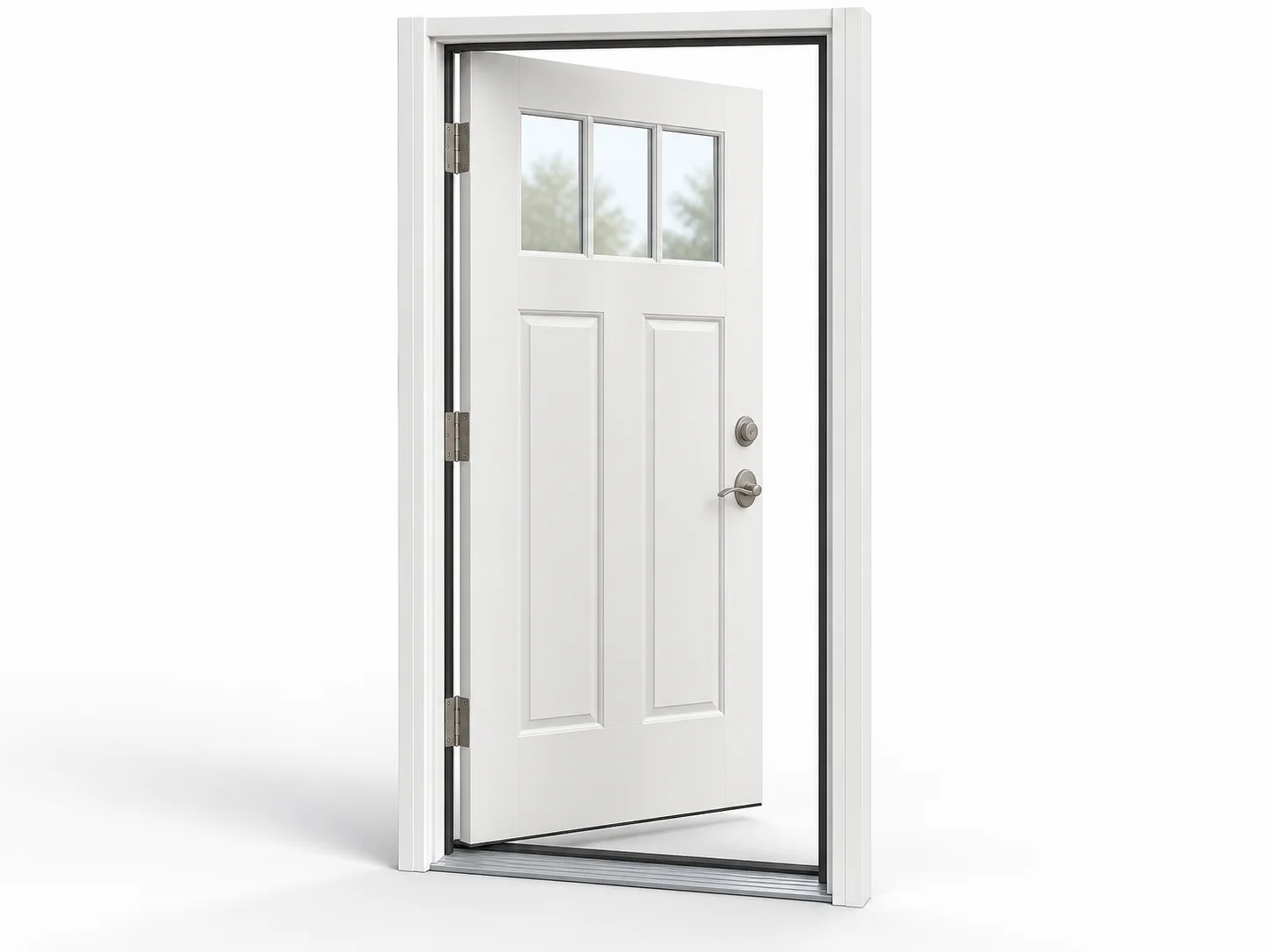
The main exterior door of a home, designed for security, insulation, and curb appeal. Available in steel, , and wood.
Exposure / Reveal
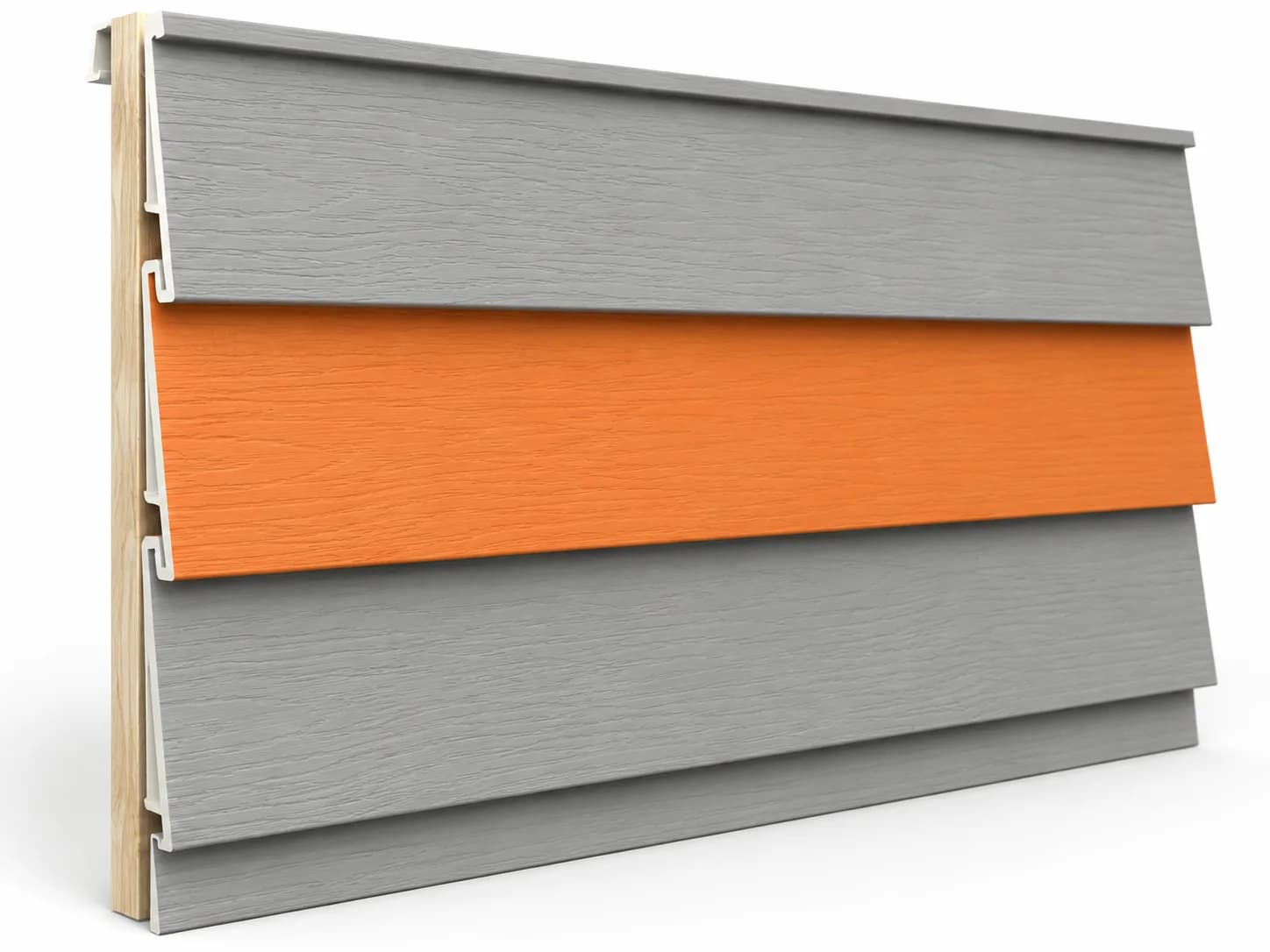
The visible portion of a siding course after the next course overlaps it, commonly measured vertically on horizontal . It is not necessarily the full board or panel width. Profile-specific dimensions determine the finished appearance and material coverage.
F
F-Channel
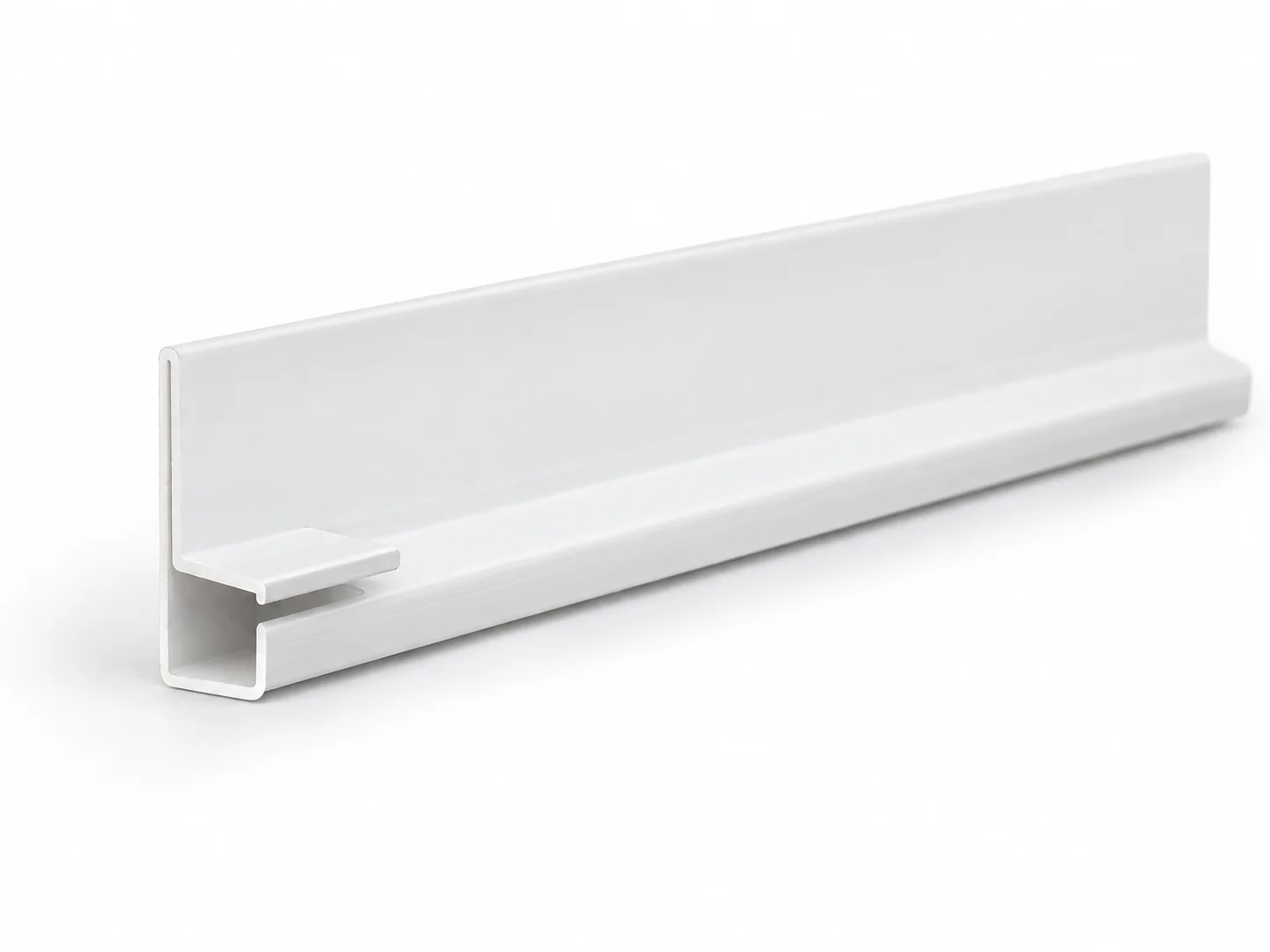
An F-shaped receiving trim commonly used to support and finish the edge of panels where they meet a wall or other surface. Its orientation and fastening depend on the soffit system and manufacturer instructions.
Fascia
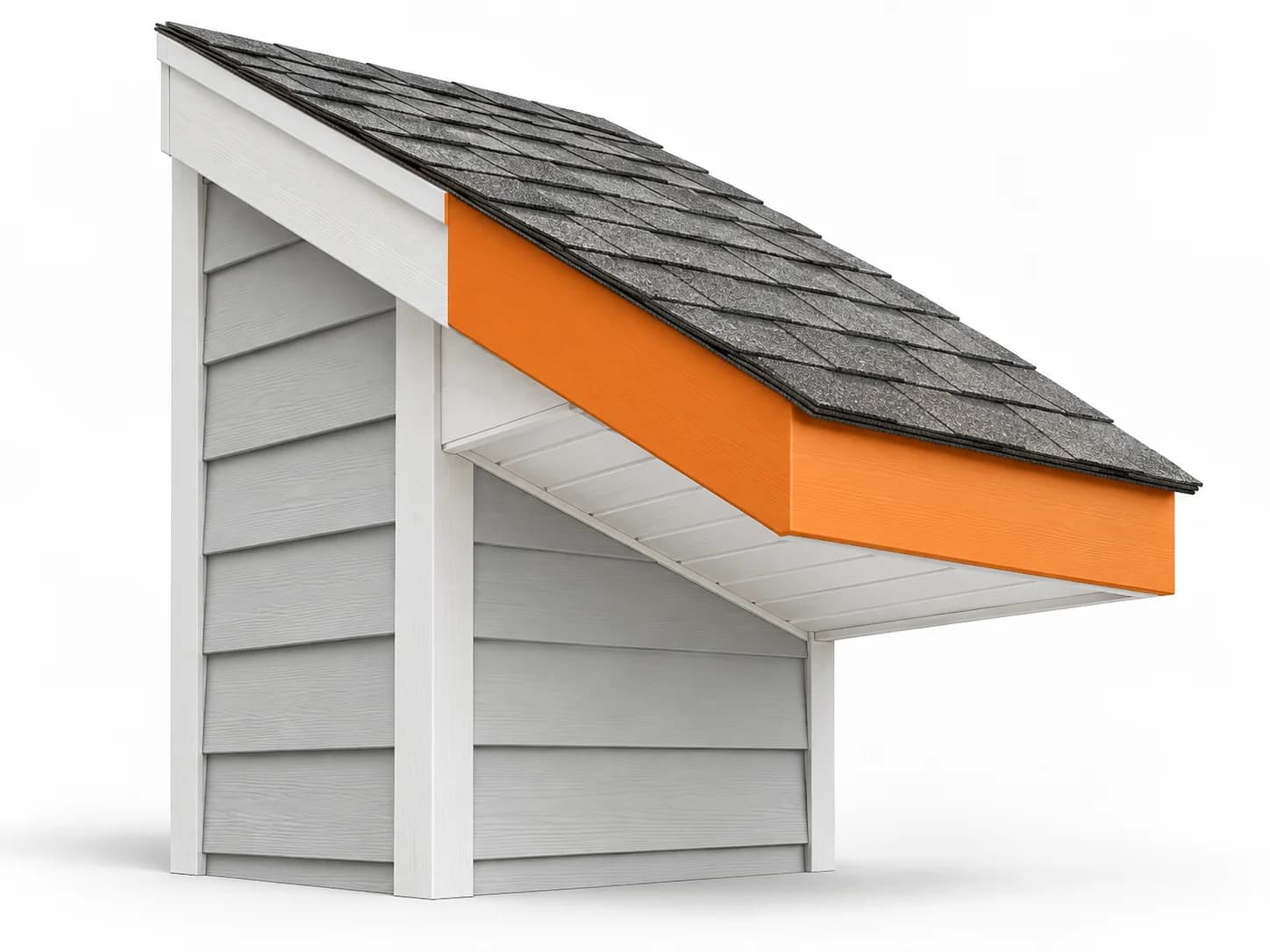
The outward-facing board or covering along the roof edge, commonly at the ends of rafters or trusses. It finishes and protects the eave edge and often sits behind the . It is distinct from the on the underside of the overhang.
Fenestration
A broad term encompassing all openings in a , including windows, doors, skylights, and curtain walls.
Fiber Cement Siding
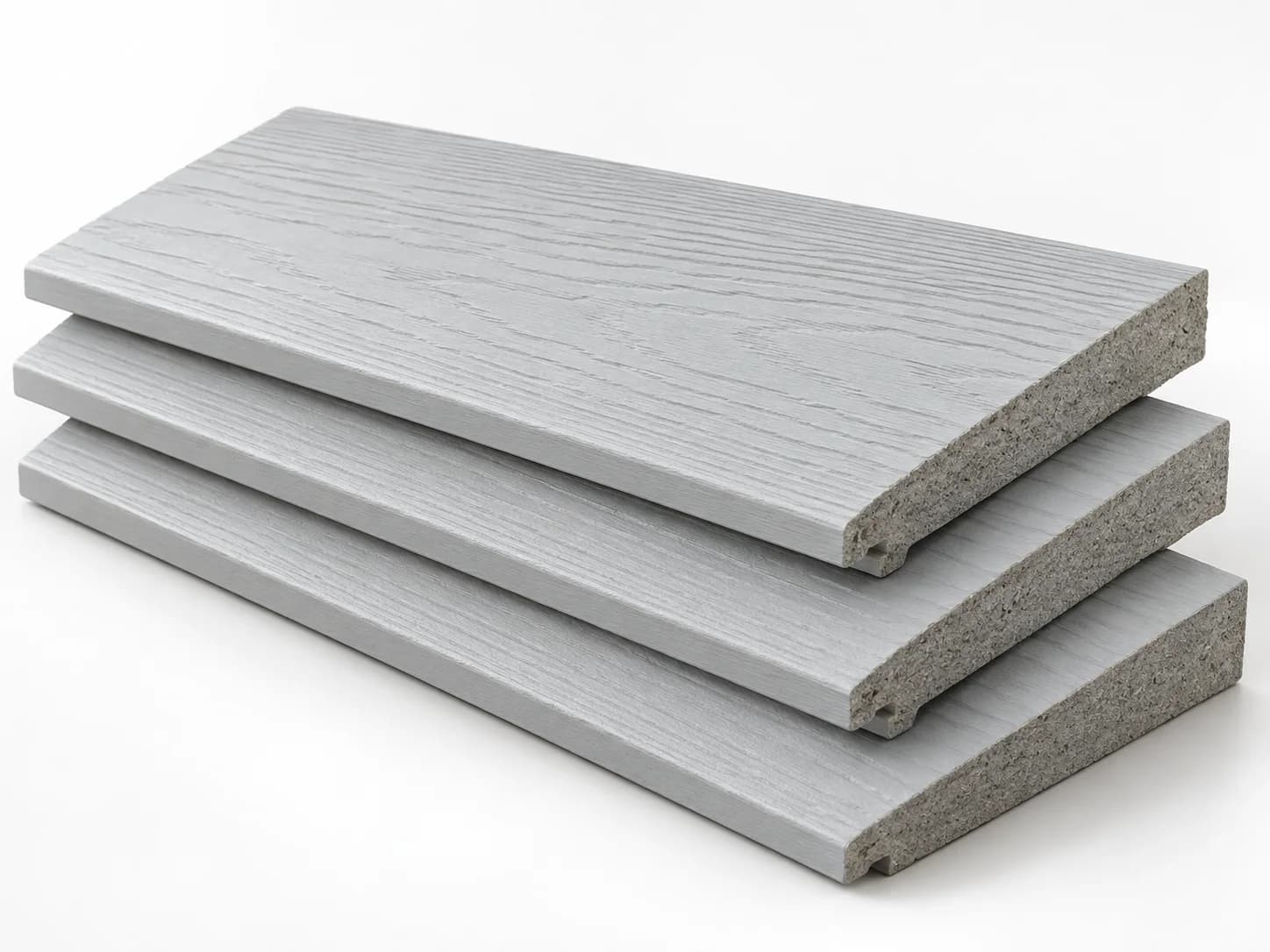
A durable cladding made from a mixture of cement, sand, and cellulose fibers. Resists fire, rot, and termites; can mimic wood grain or smooth textures. James Hardie is a leading brand.
Fiberglass (FRP)
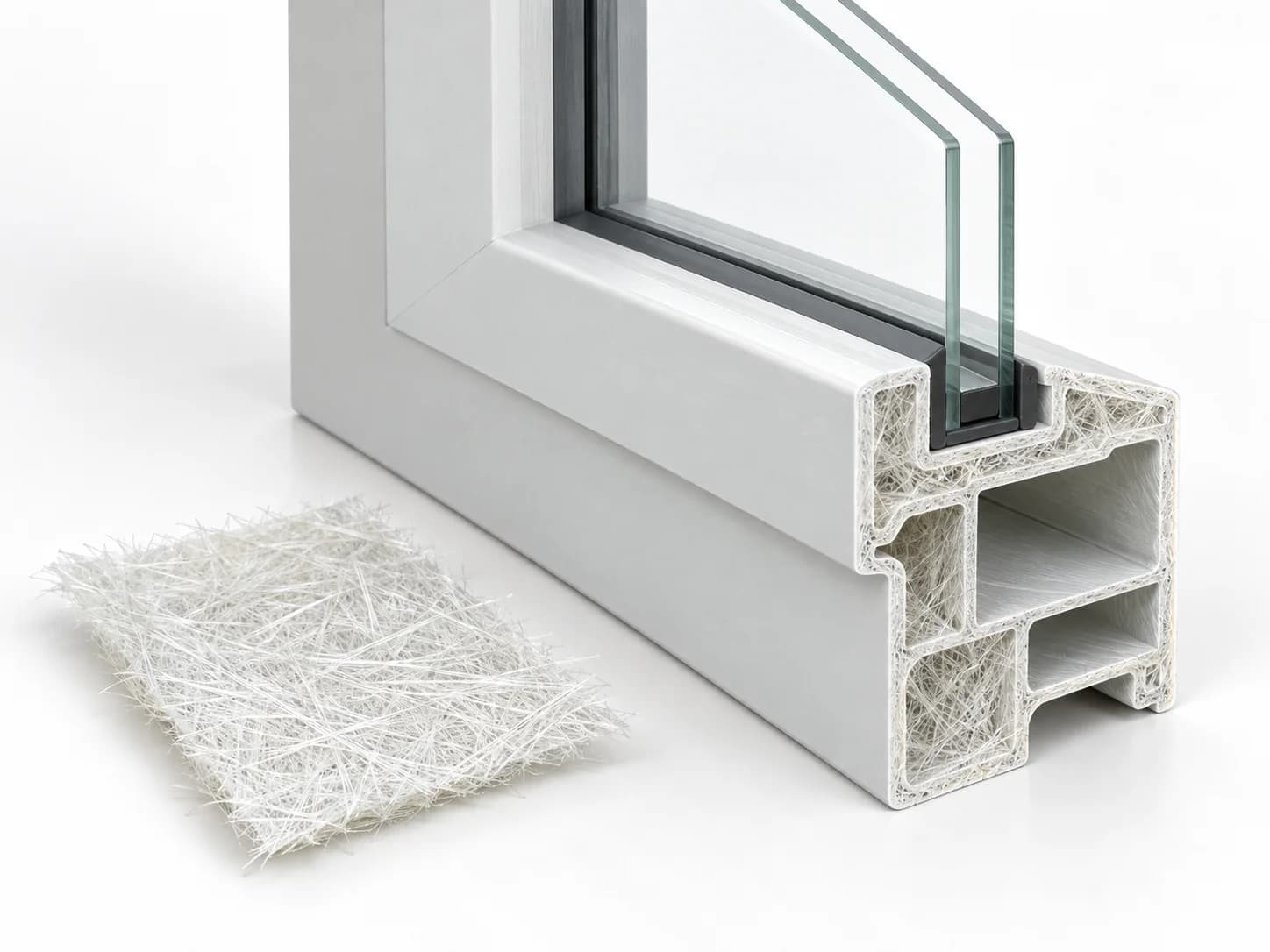
Fiber-reinforced polymer used for window frames, doors, and some siding. Extremely strong, dimensionally stable, and paintable with very low thermal expansion.
Fiberglass Door
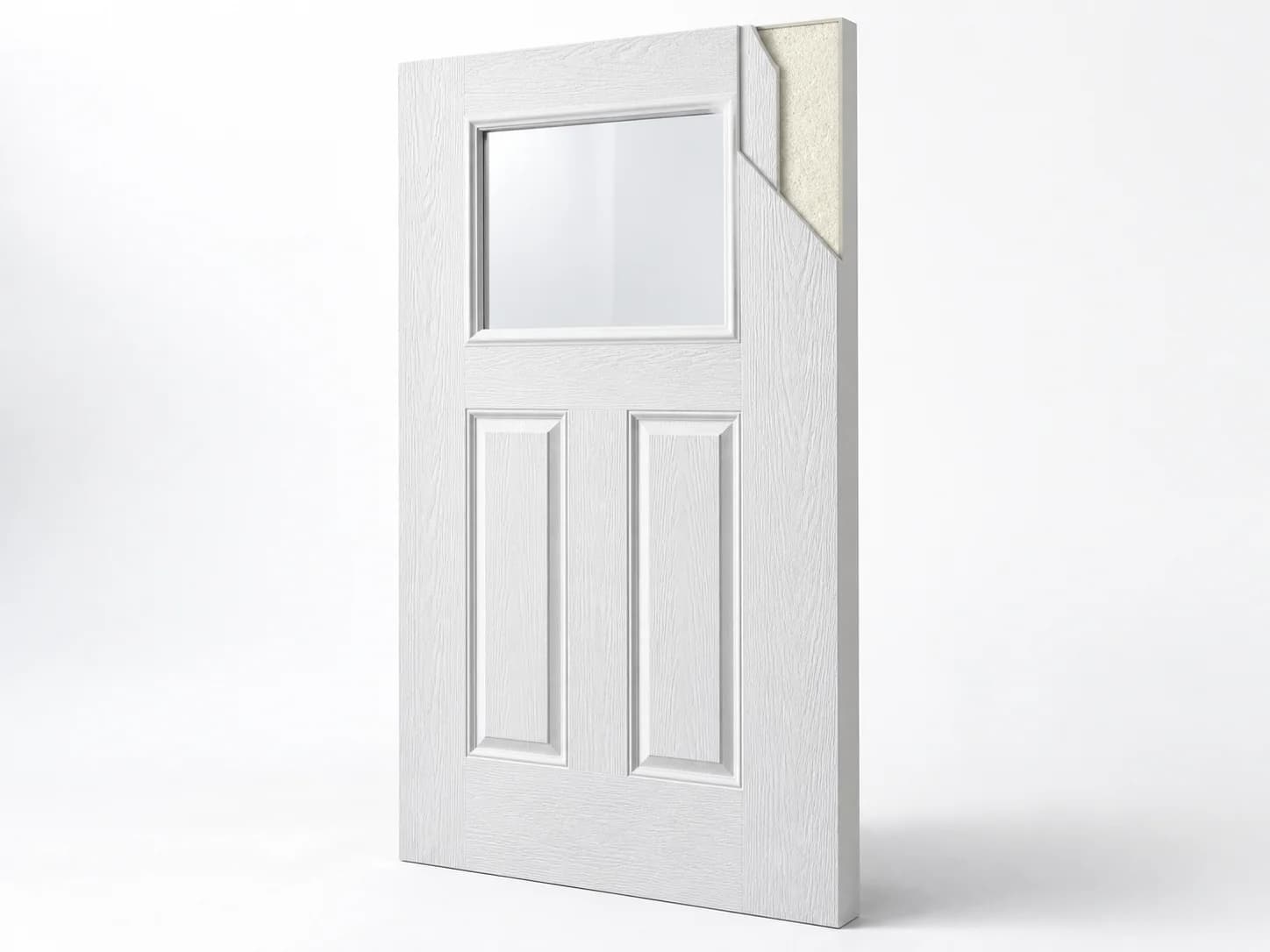
An with skins over a foam-insulated core. Can realistically mimic wood grain, resists denting, cracking, and warping.
Fixed Window
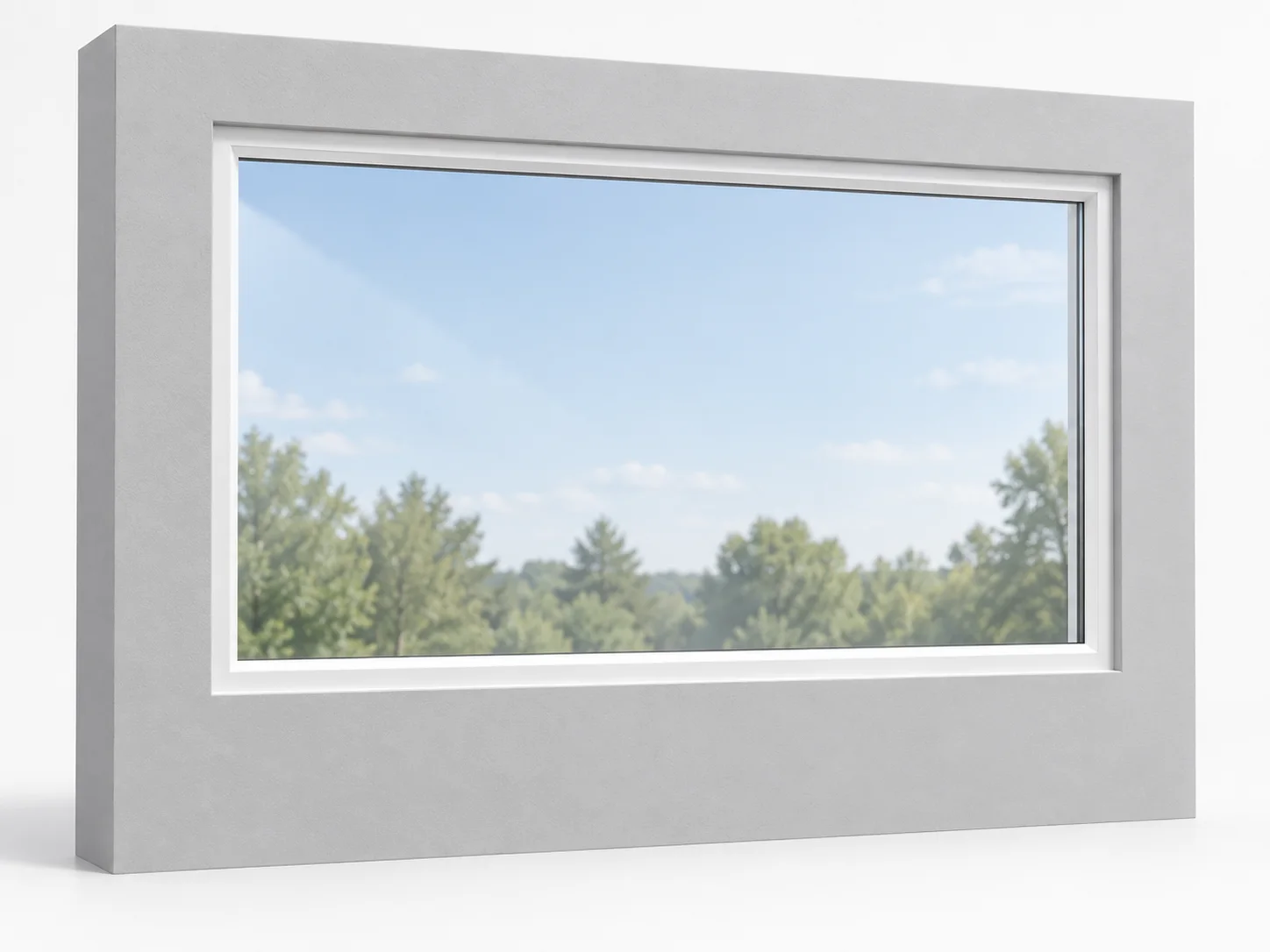
A window that does not open, used to admit daylight and provide a view. is a common name for a large, unobstructed fixed window; fixed units also come in smaller and specialty shapes.
Flashing
Thin pieces of waterproof material (metal or membrane) installed around window and door openings to direct water away from the wall structure and prevent leaks.
Flashing Tape
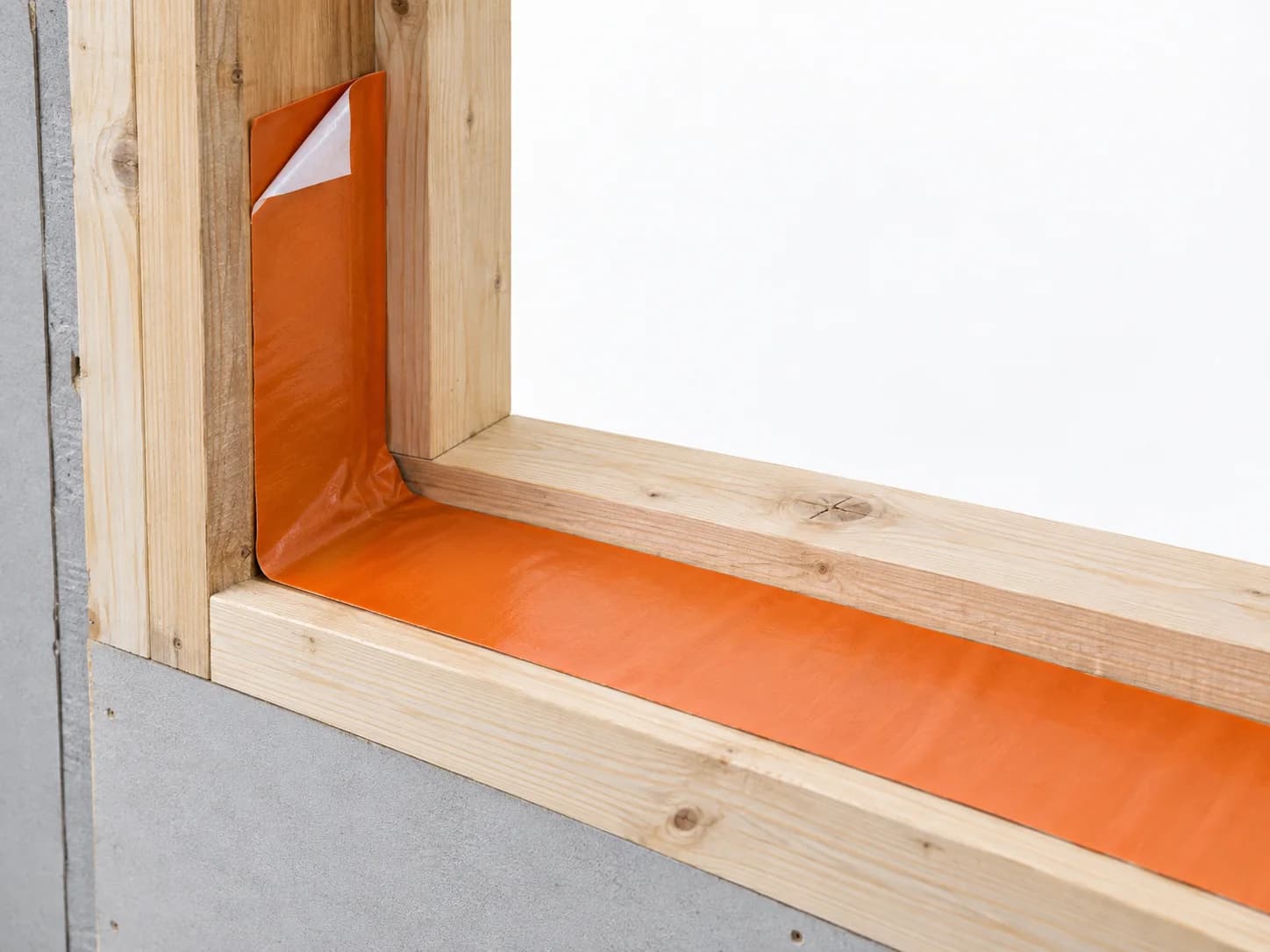
A self-adhesive waterproof membrane applied around window and door openings before installation to direct moisture away from the wall structure.
Frame
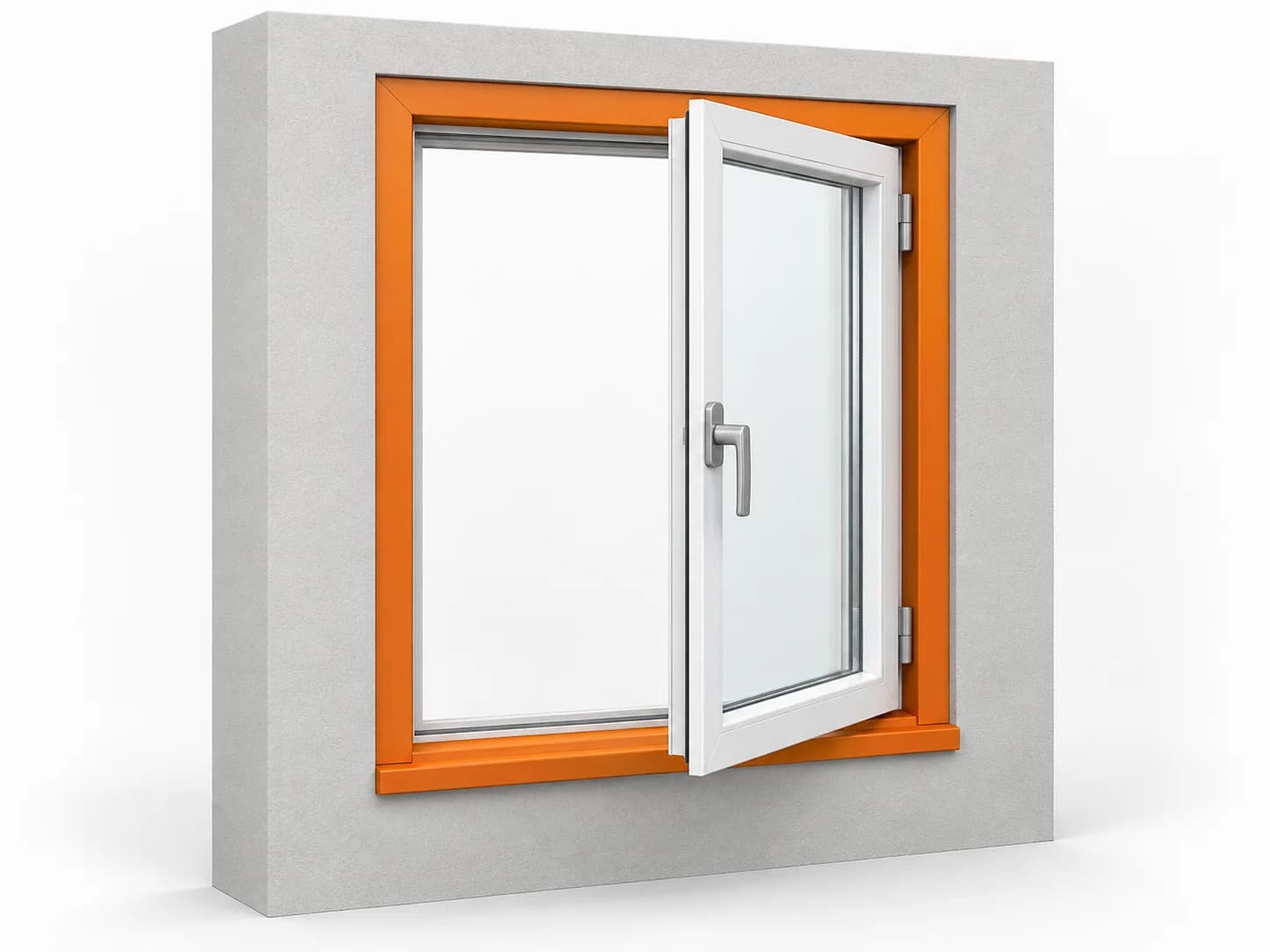
The outer structural of a window unit that holds the , glass, and hardware in place and attaches to the wall opening.
French Door
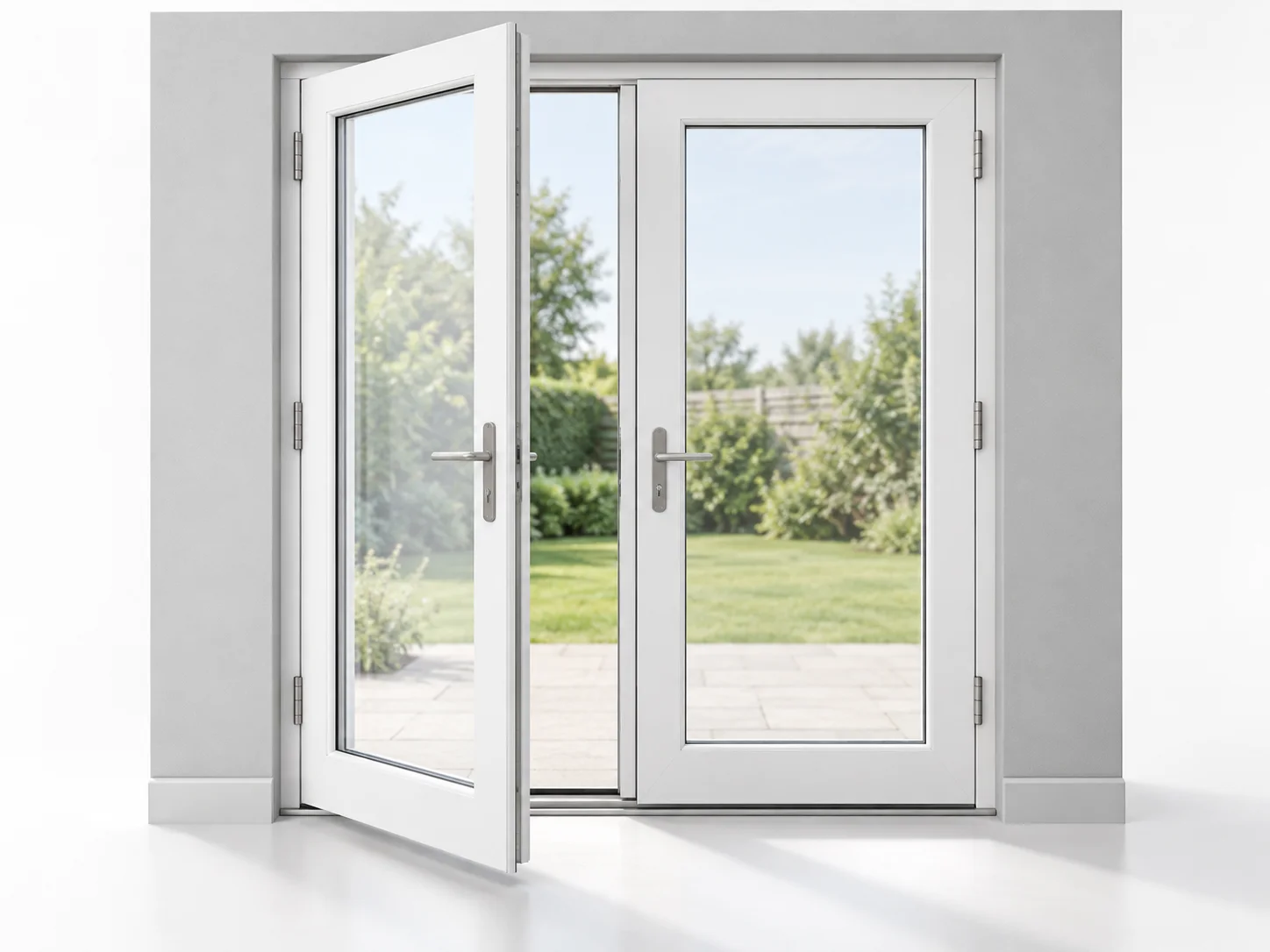
A hinged door with substantial glazing, often supplied as a pair but also available as a single door. Glass layout, swing direction and whether both leaves open depend on the product; the term does not require full-length glass or two active leaves.
Full-Frame Installation
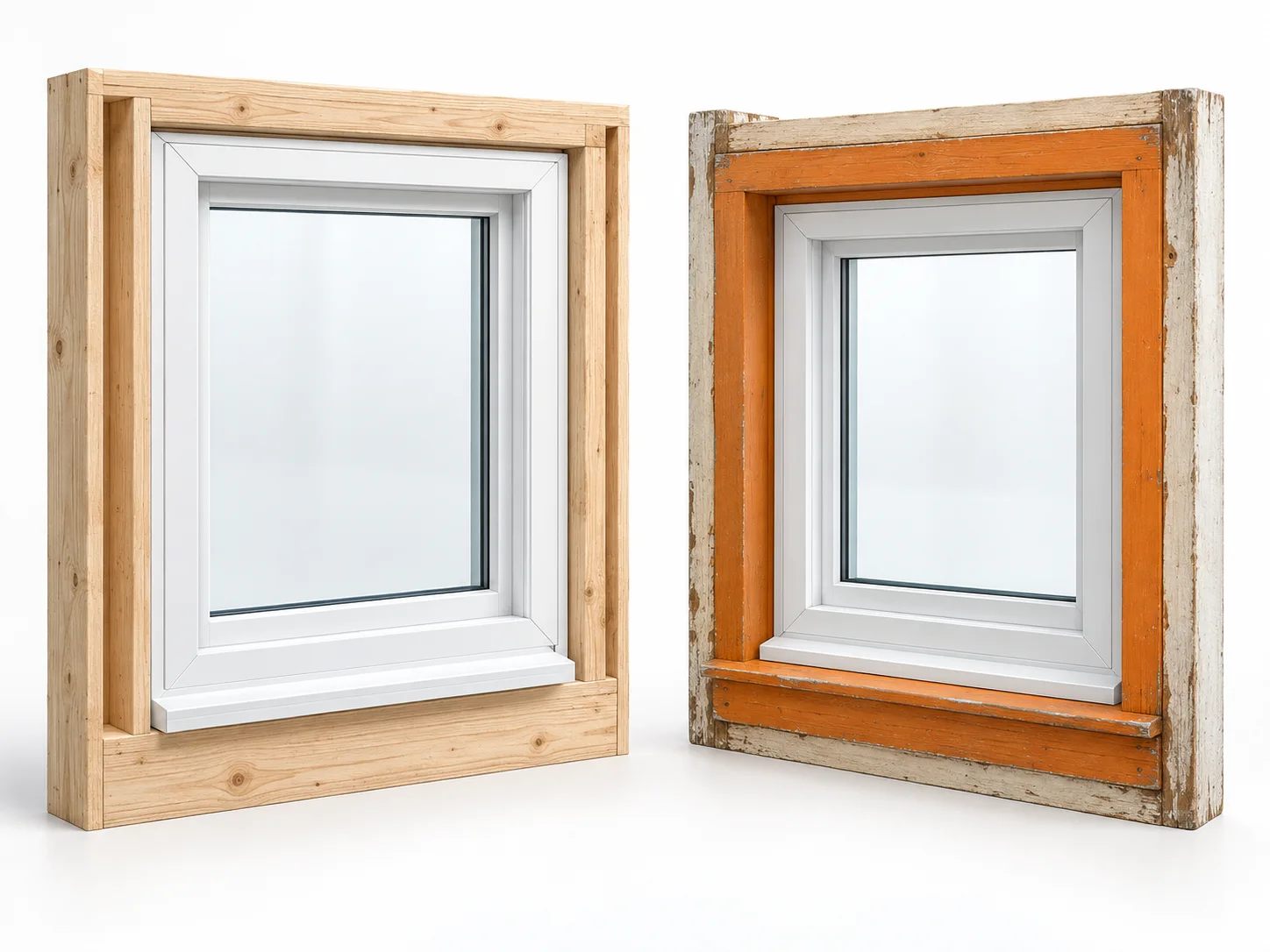
A window replacement method that removes the existing unit, including its , down to the . This provides access to inspect the opening and install new insulation and . Often called brick-to-brick replacement on masonry homes; confirm the exact trim and finishing scope in the quote.
Furring Strip
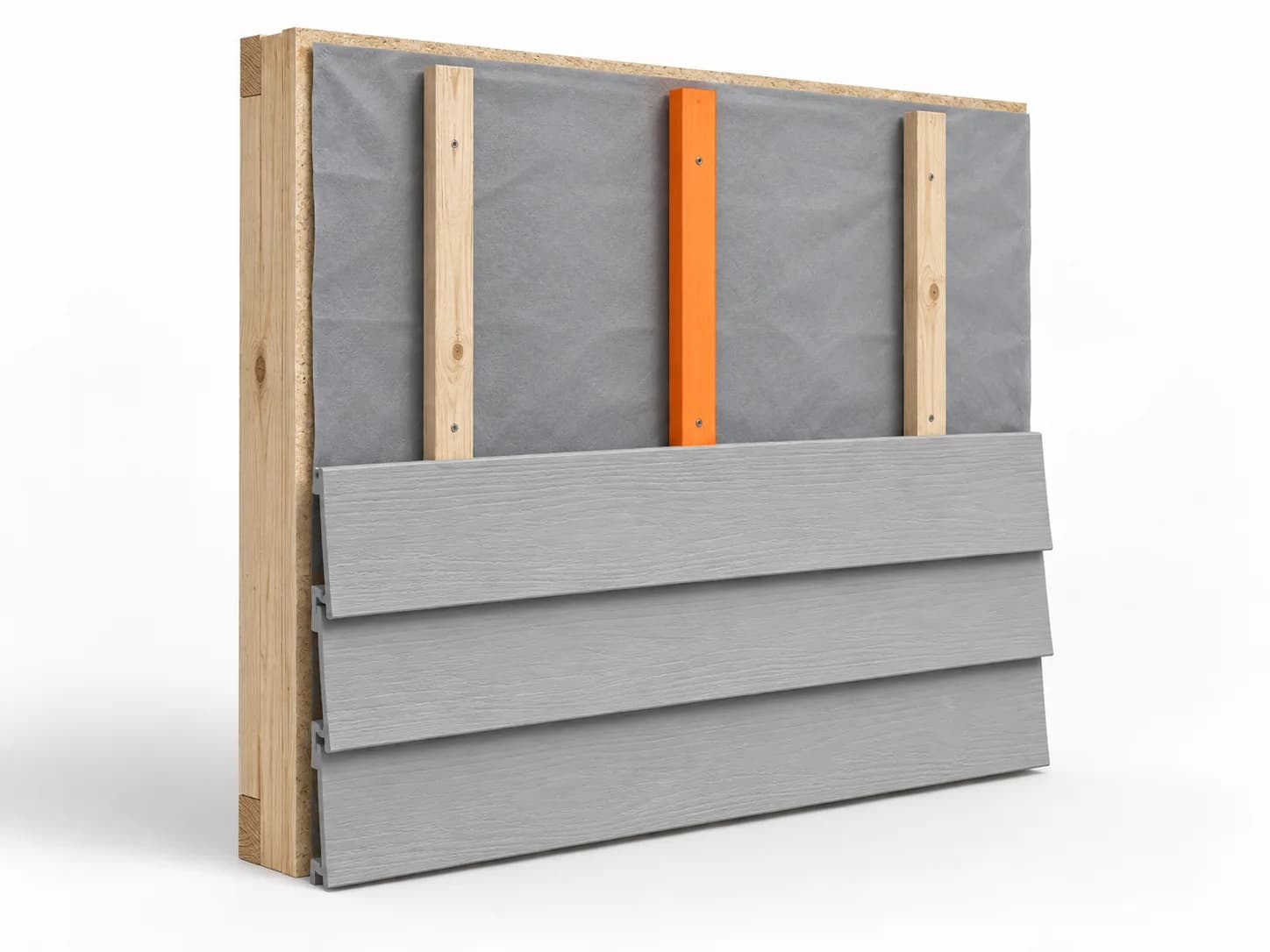
A thin strip of wood or metal attached to the wall to create a flat, even surface or an air gap for siding installation on uneven walls.
G
Garden Door
A glazed hinged exterior door system commonly used for access to a garden, patio or deck. It may combine an operating door with a fixed or operable companion panel. , outswing and centre-member arrangements vary by product; do not assume both panels open or leave an unobstructed opening.
Garden Window
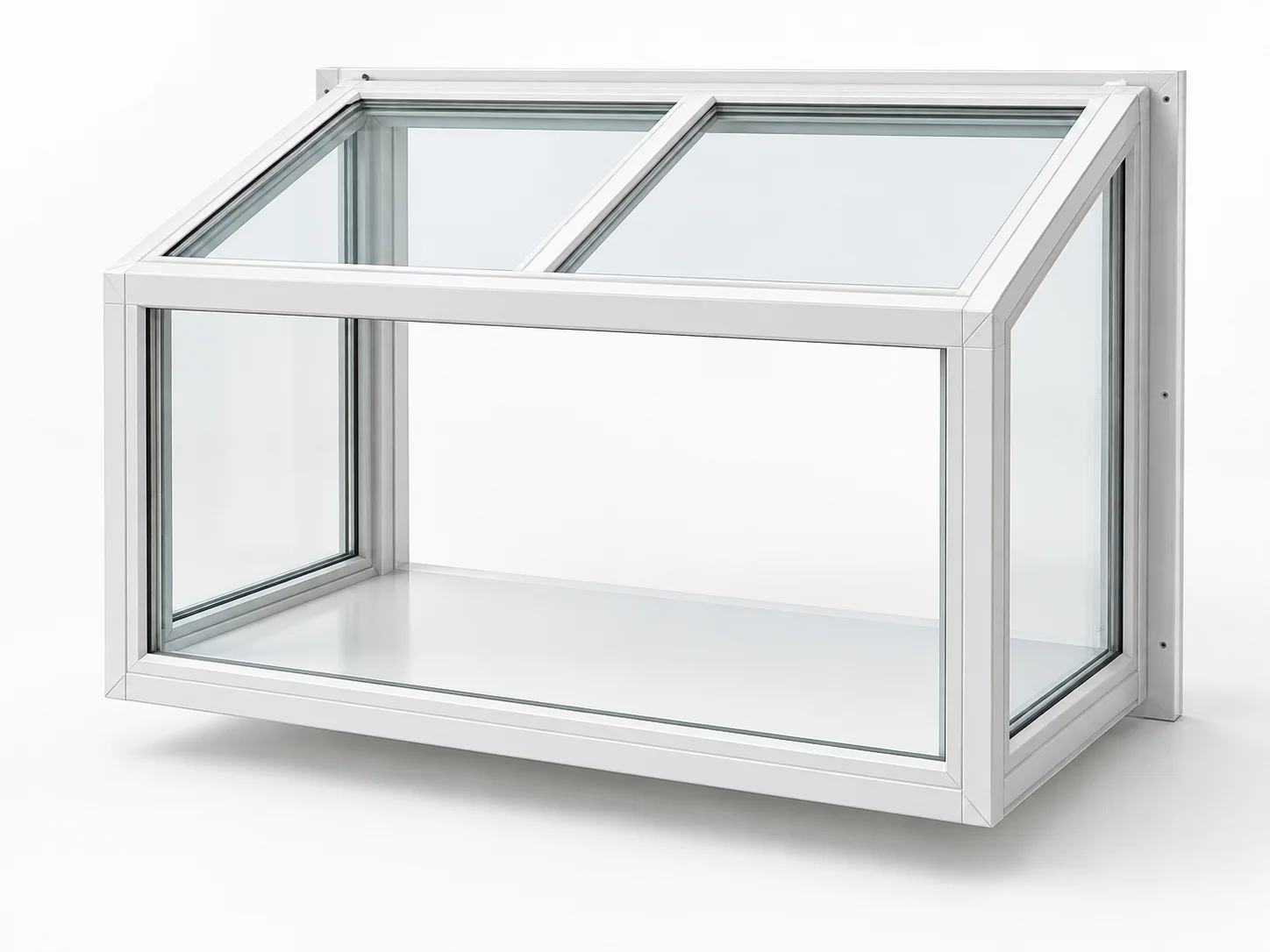
A small bay-style window that projects outward and features a glass top, often used in kitchens to create a mini greenhouse shelf.
Glass Replacement
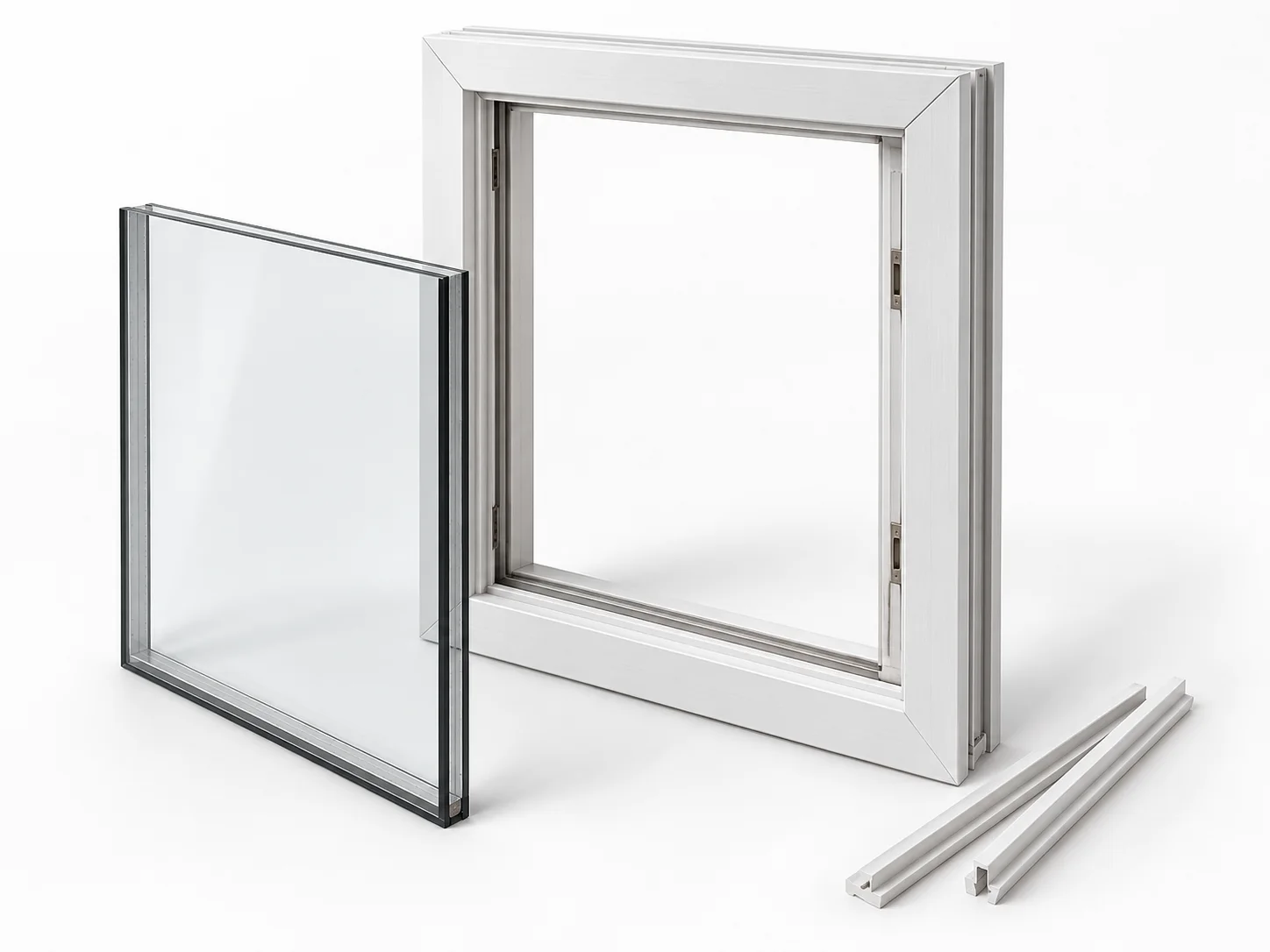
The process of removing and replacing a damaged or failed within an existing window or .
Glazing Bead
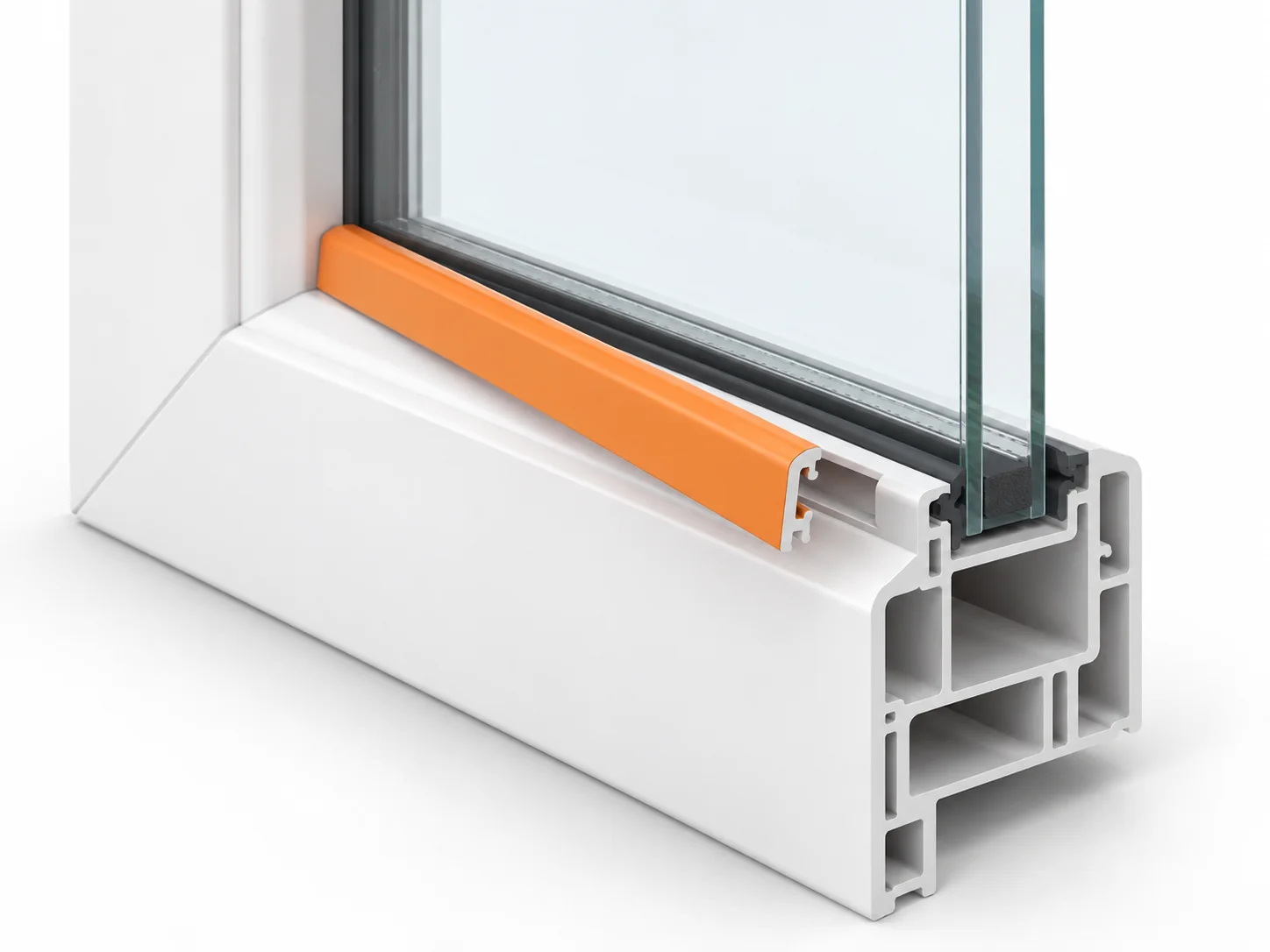
A strip of material (wood, vinyl, or ) that holds the glass in place within the or .
Grille
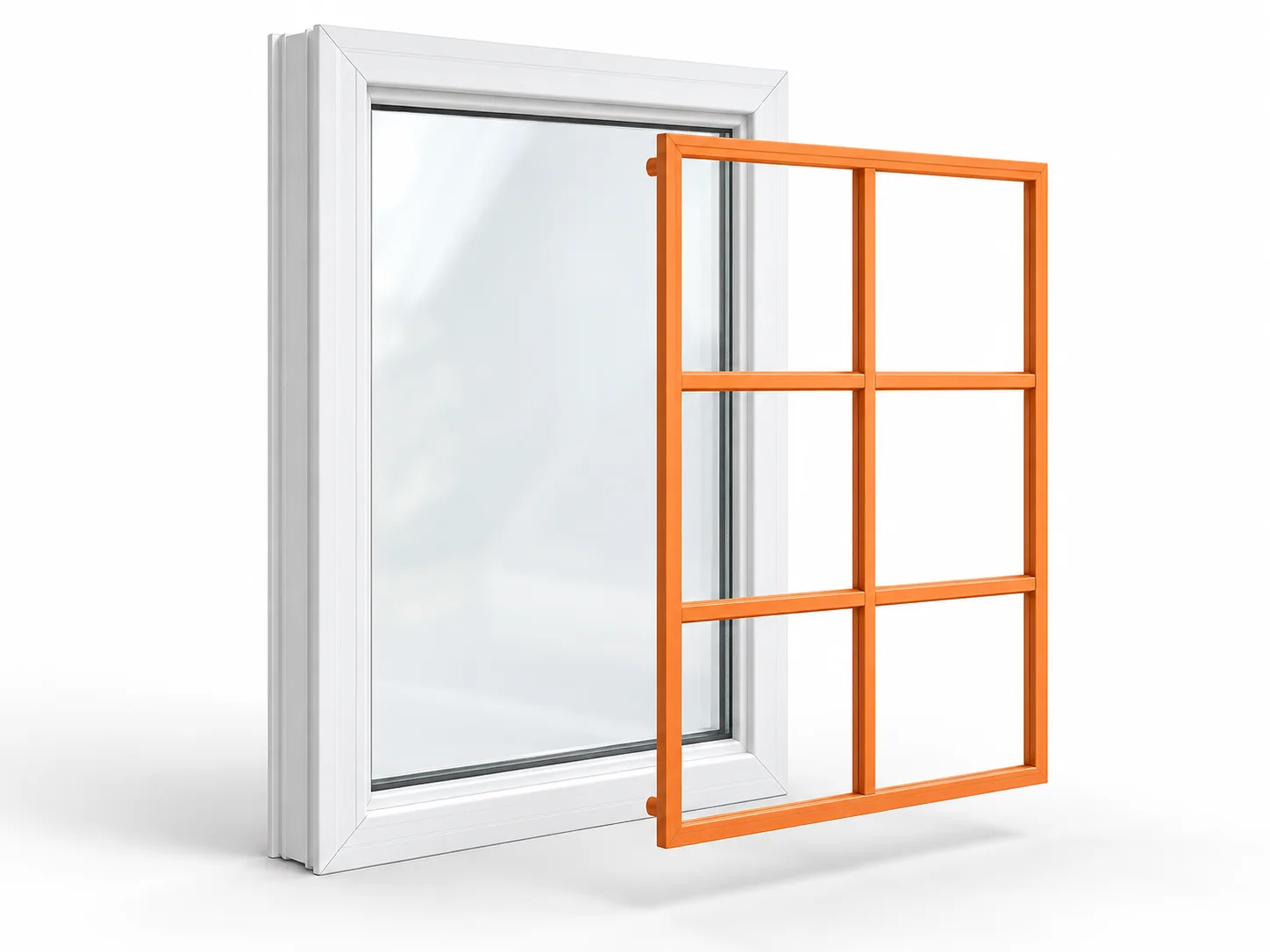
Decorative bars on the surface of the glass, between sealed panes, or in a removable interior panel that create a divided-lite appearance. Unlike a traditional , a grille need not separate individual pieces of glass.
H
Handle Set

A matching set of exterior and interior handles for an , often including a lever, grip, and lock cylinder.
Hardware Adjustment
Tightening, realigning, or replacing window and door hardware (locks, , rollers, operators) to restore proper operation and seal compression.
Head Jamb
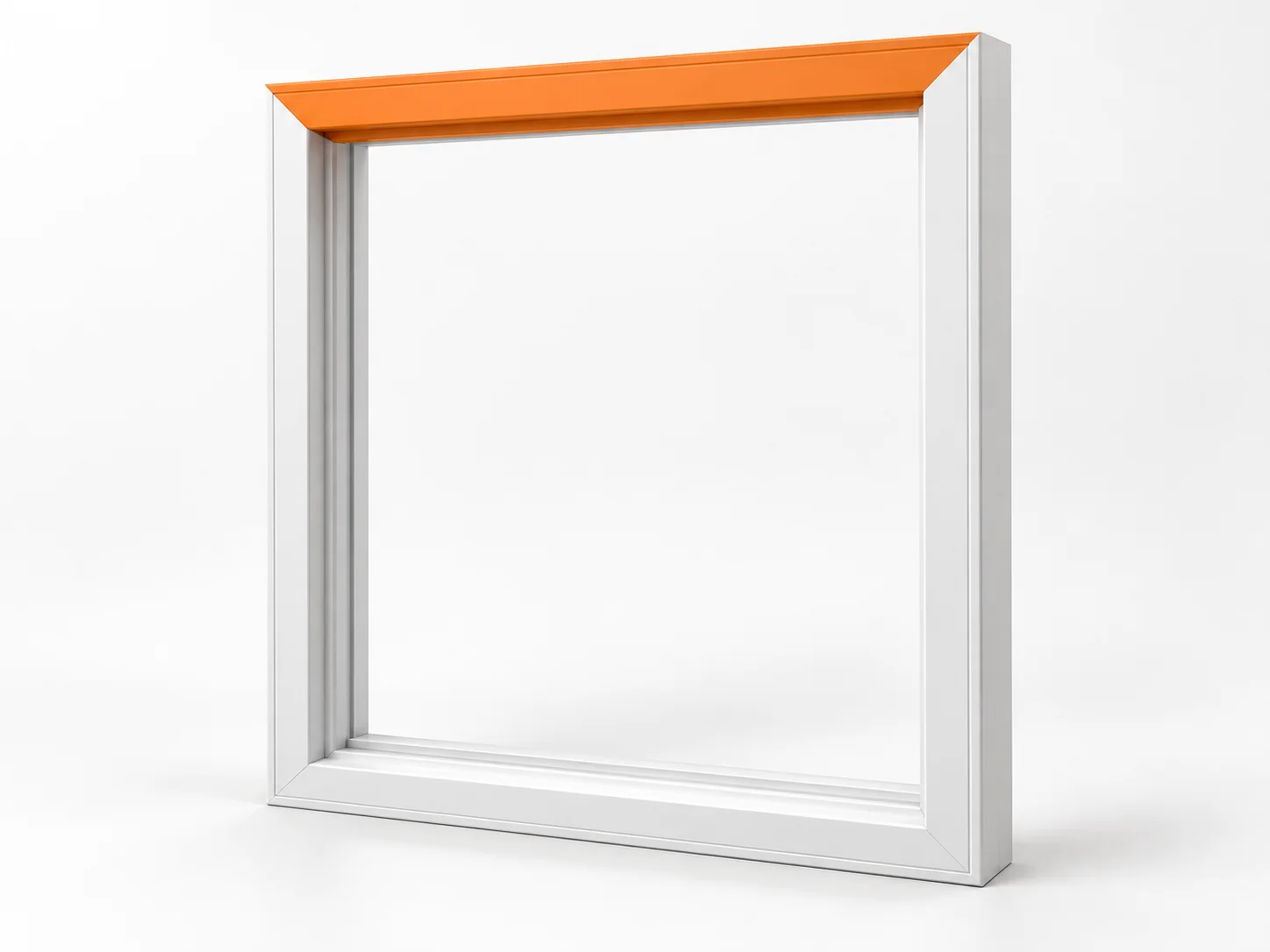
The horizontal top member of a window or door , joining the side jambs. It belongs to the manufactured unit and is distinct from the structural above the .
Header
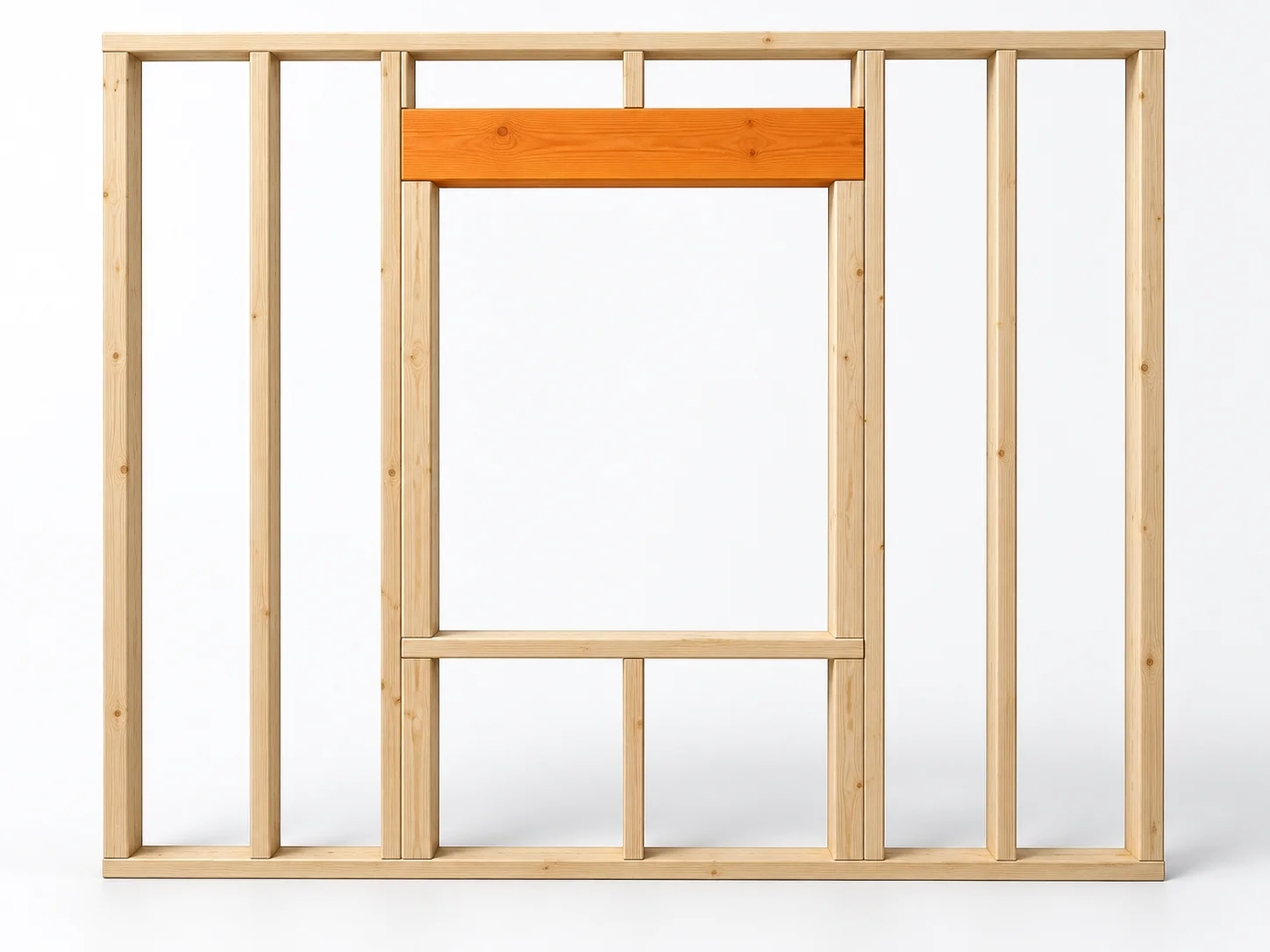
The horizontal structural beam above a window or door opening that supports the weight of the wall above.
Hinges
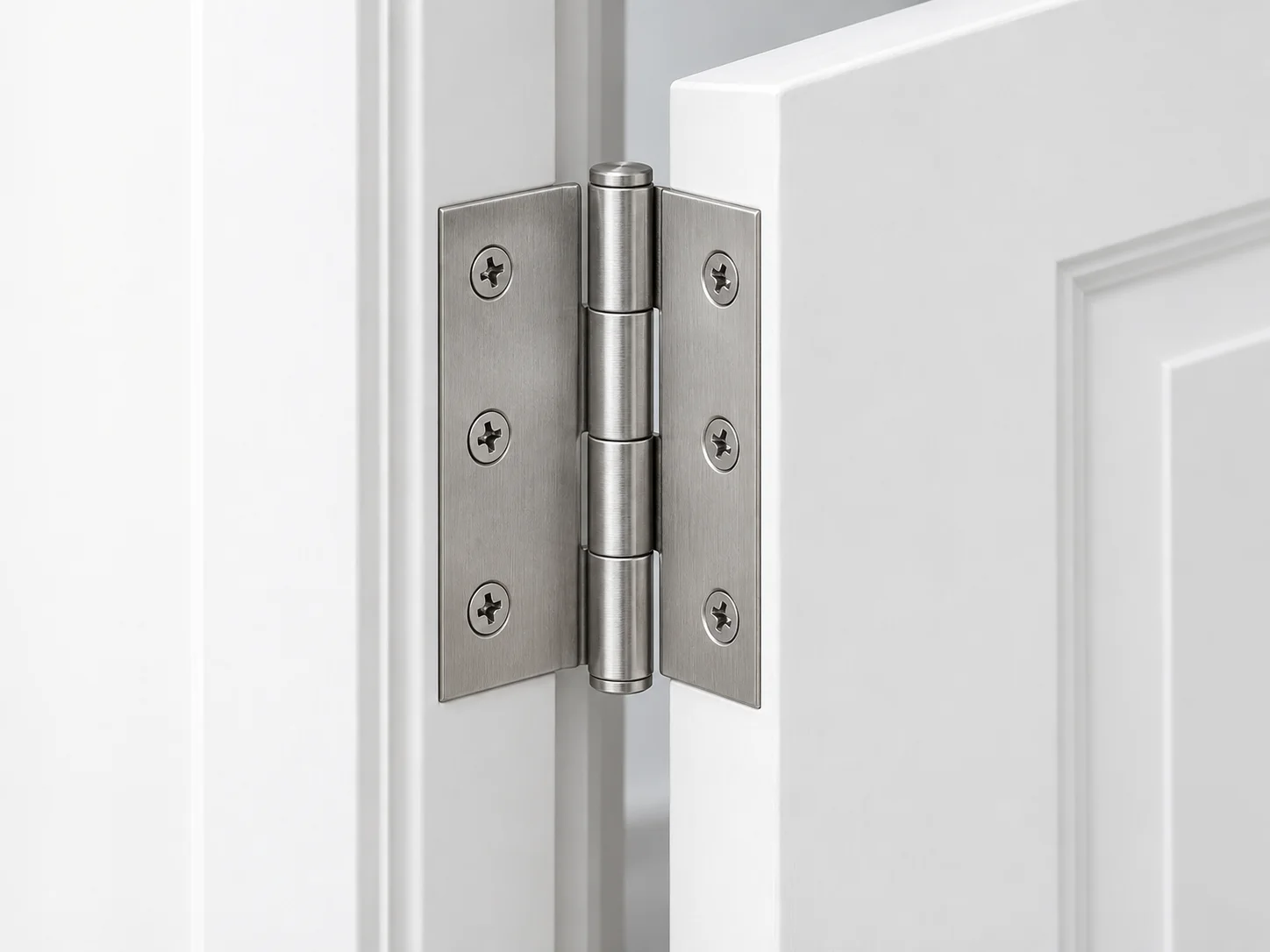
Pivoting hardware that attaches a door to its and allows it to swing open and closed. Exterior doors typically use three or more heavy-duty hinges.
Hopper Window
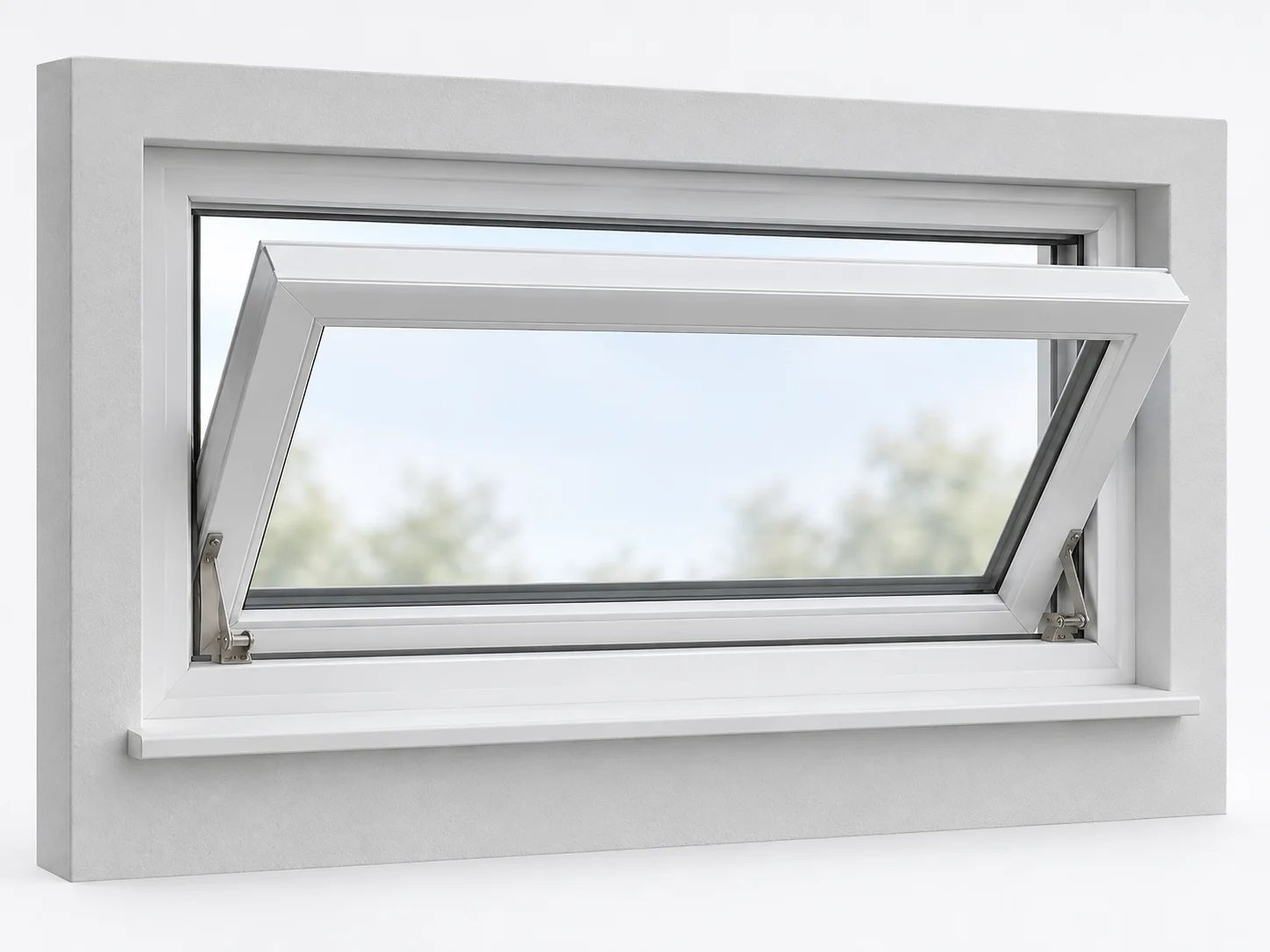
A window hinged at the bottom that tilts inward from the top. Often used in basements and bathrooms for ventilation.
Housewrap
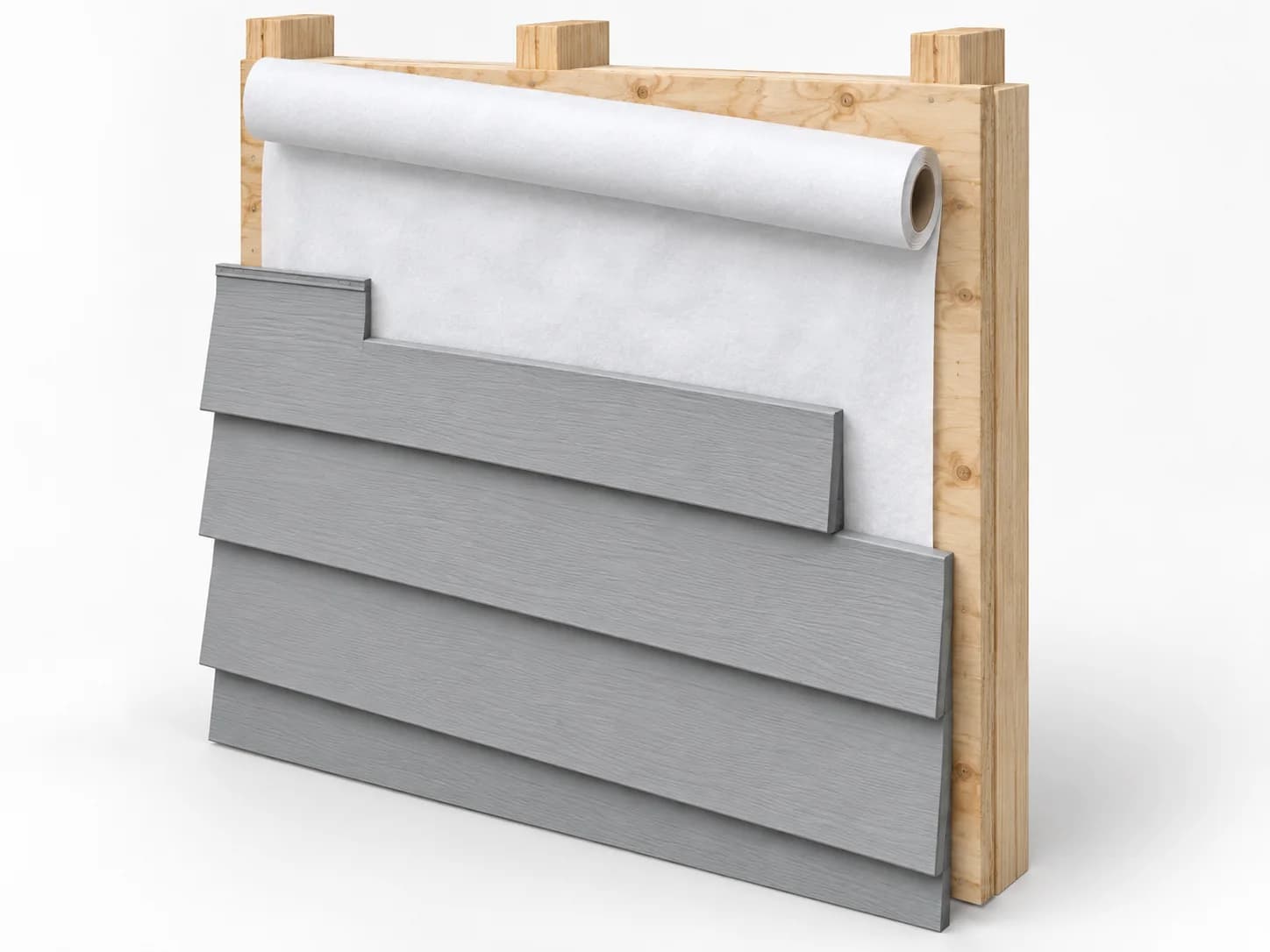
A sheet membrane used as a behind exterior cladding to help shed liquid water while allowing water vapour to pass. Some products also function as an when seams, penetrations and transitions are detailed as a continuous air-control system.
I
Ice Damming
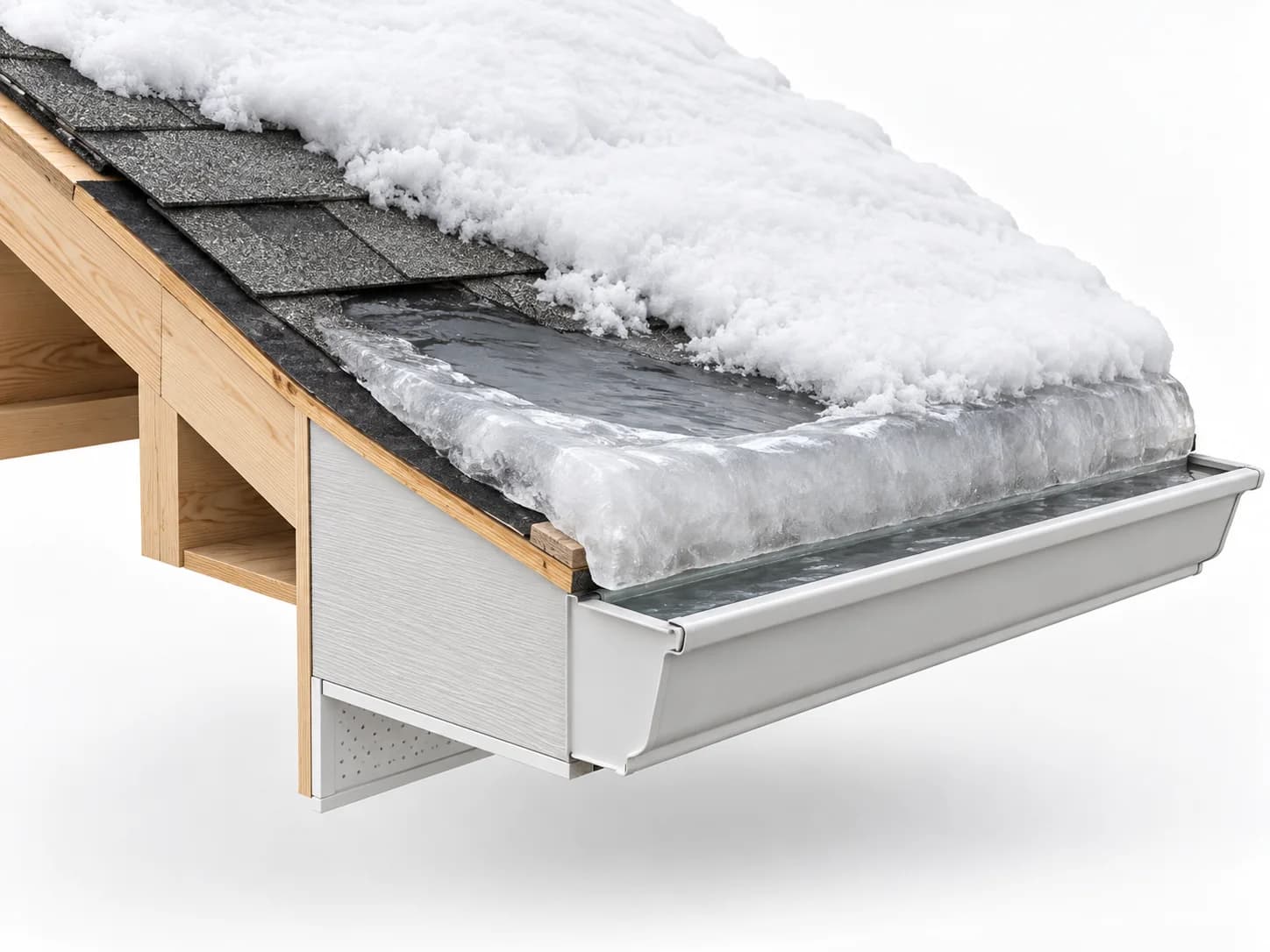
A ridge of ice that forms along the roof edge when heat escaping from the attic melts snow, which then refreezes at the eave, potentially causing water to back up under shingles.
Insulated Glass Unit (IGU)
A factory-sealed assembly of two or more glass panes separated by spacers, with air or insulating gas in the cavities to reduce heat transfer. Often called a sealed unit; it is the glazing assembly, not the complete window and hardware.
Insulated Vinyl Siding
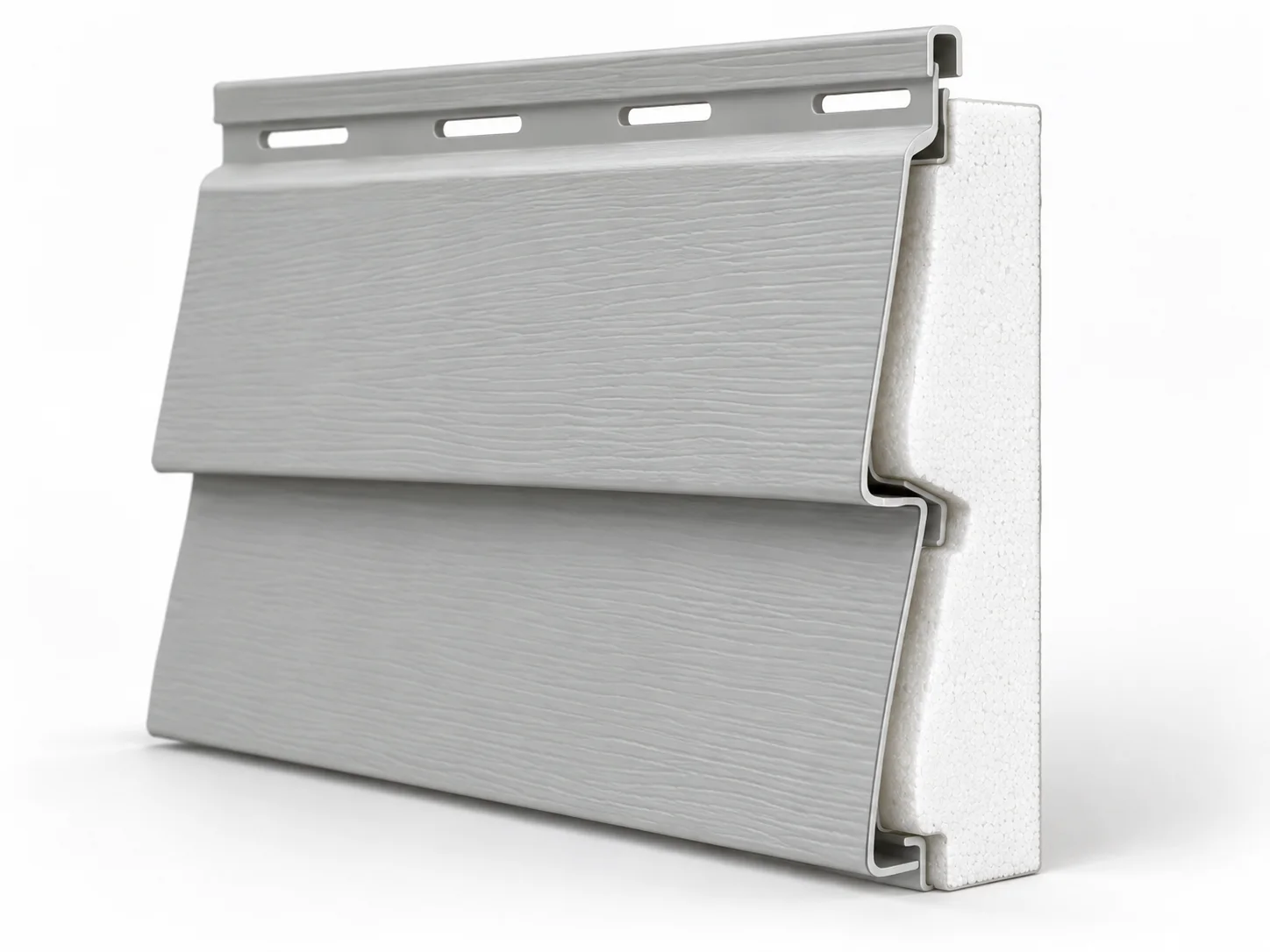
backed with a layer of , improving the wall's thermal performance, impact resistance, and reducing panel waviness.
Inswing / Outswing
The direction a hinged exterior door opens: inswing opens into the building and outswing opens toward the exterior. This is separate from left- or right-hand hinge placement. Available clearances, weather exposure and the intended door system all affect the selection.
J
J-Channel
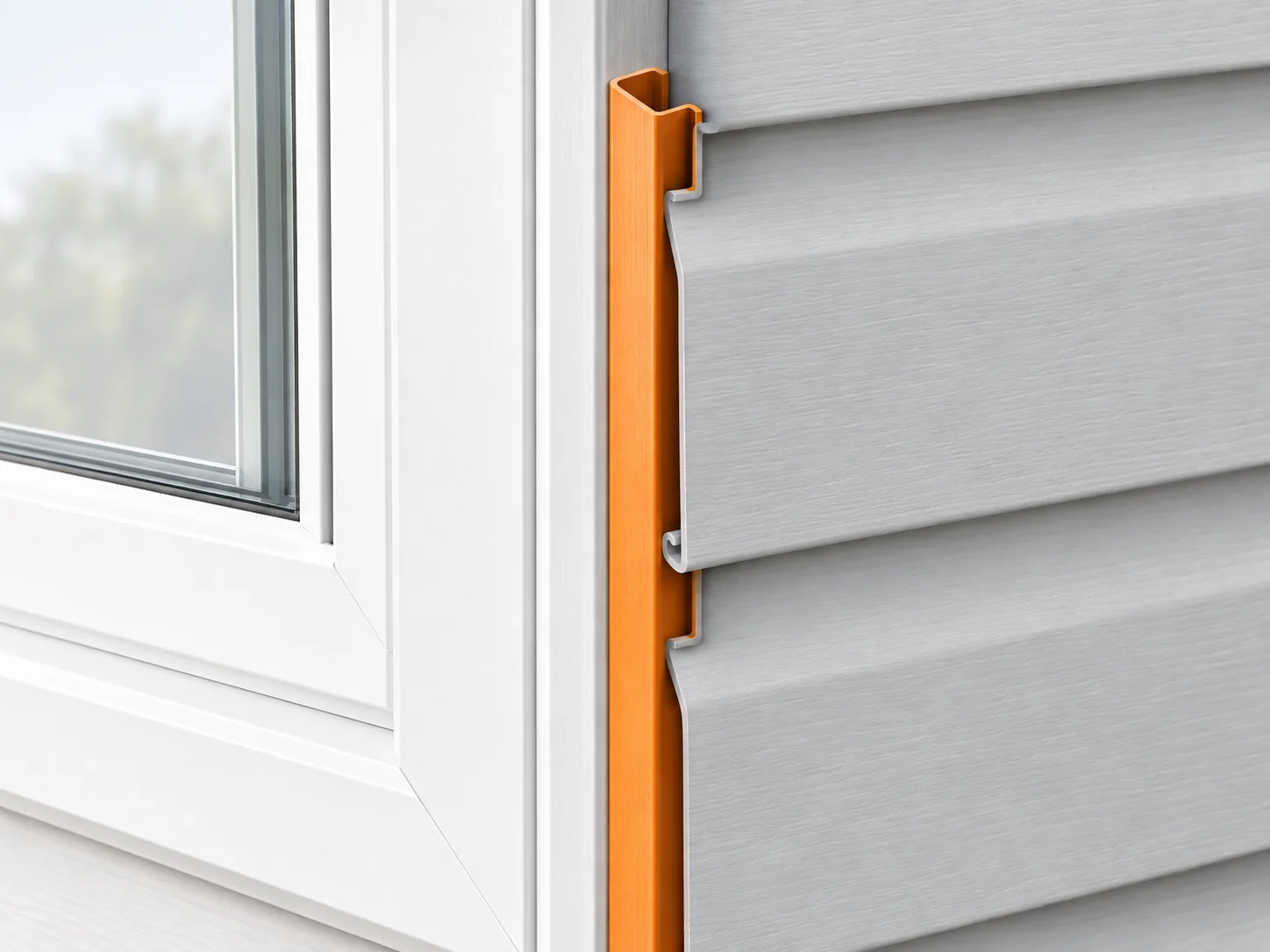
A J-shaped trim piece used to receive and conceal the edges of siding panels where they meet windows, doors, or other surfaces.
Jamb
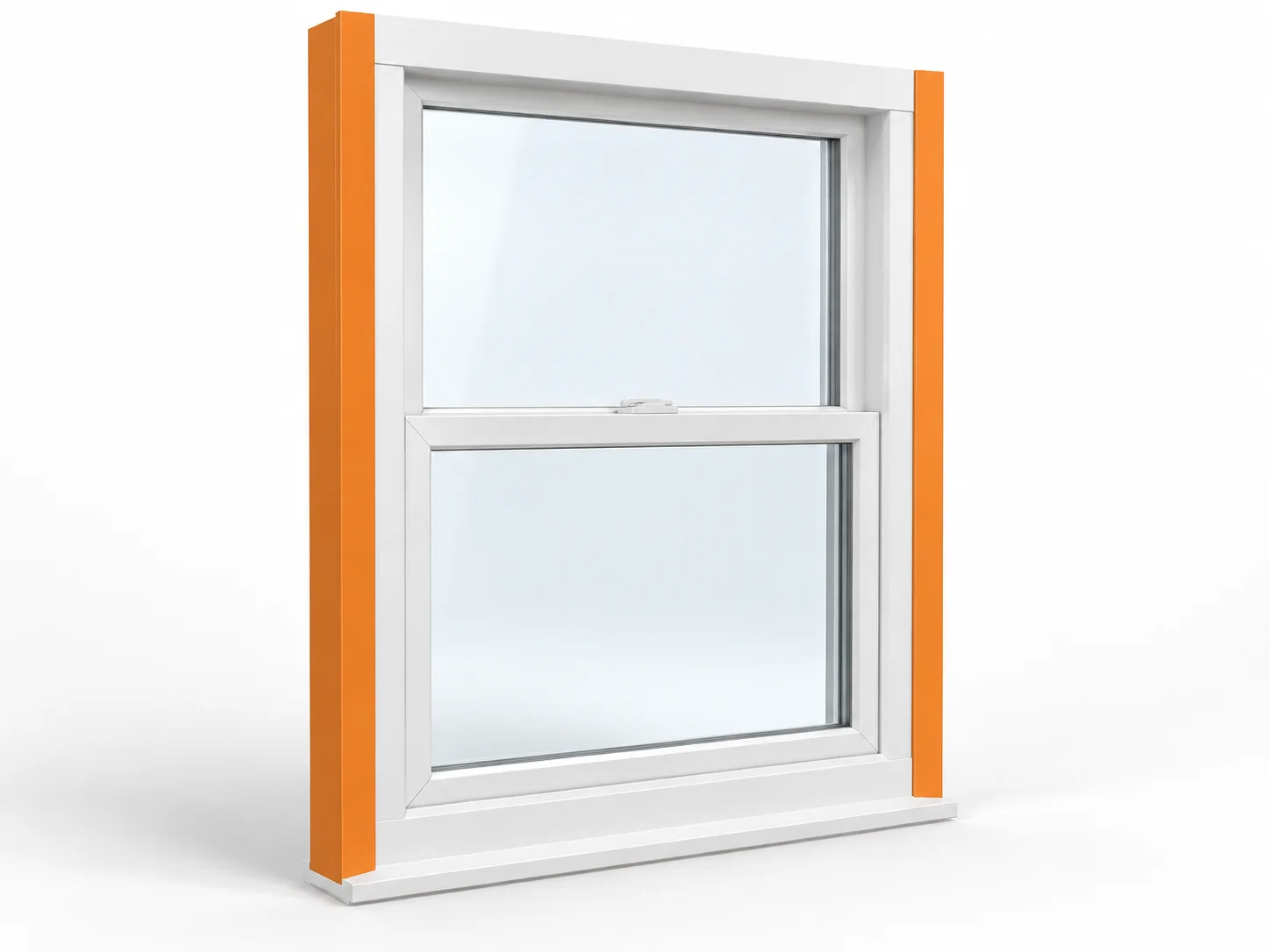
A member of a window or door . Side jambs form its vertical sides; the forms its top. The head jamb is part of the unit, not the structural in the wall above it.
Jamb Extension
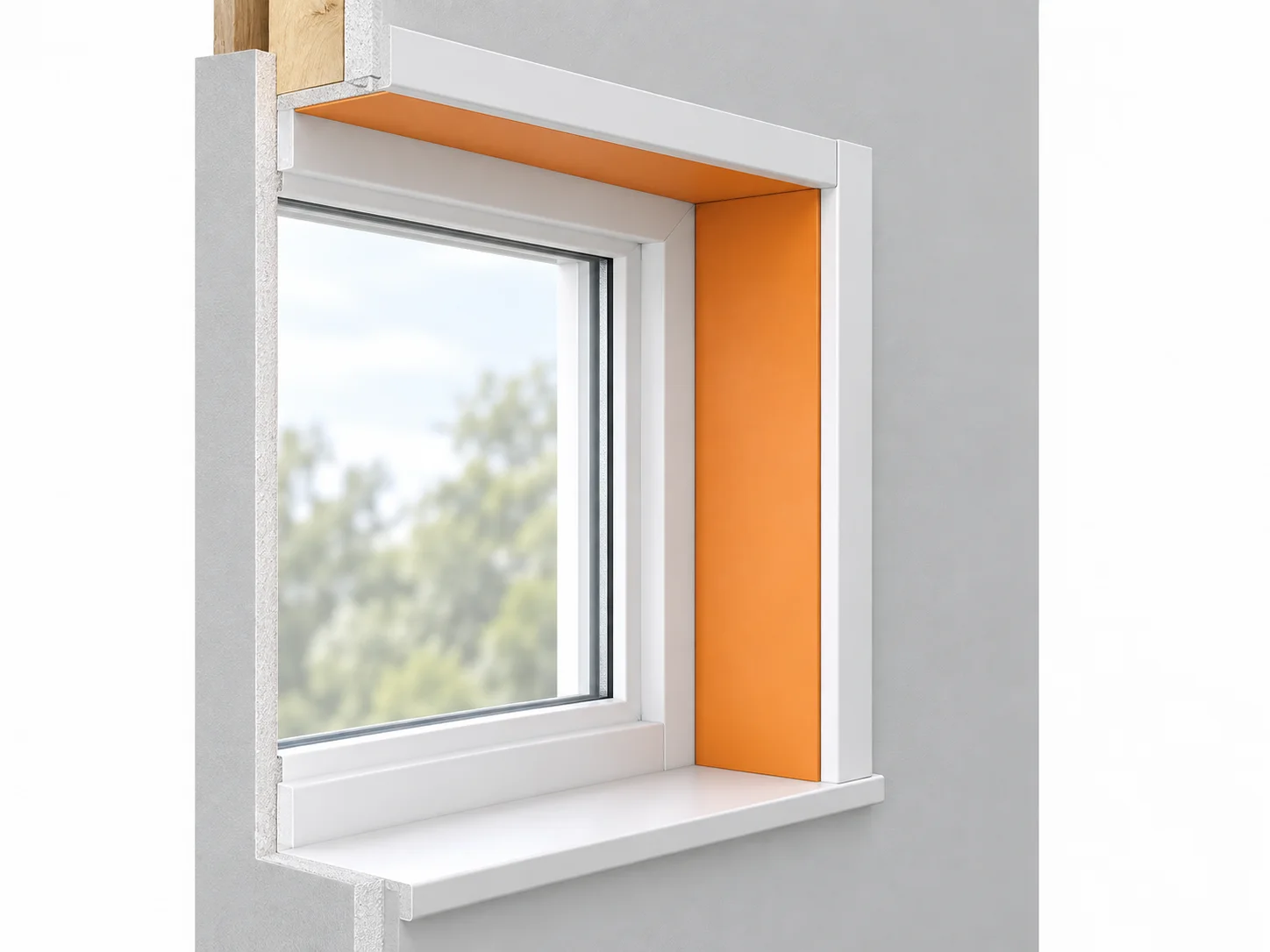
An added piece that extends a window or door inward to meet the finished interior wall surface. It accommodates wall depth and provides a finished transition to the ; it is not the same as widening the .
K
Krypton Gas Fill
A denser inert gas than argon used between glass panes for superior thermal insulation, especially in triple-pane units with narrow spacers.
L
Laminated Glass
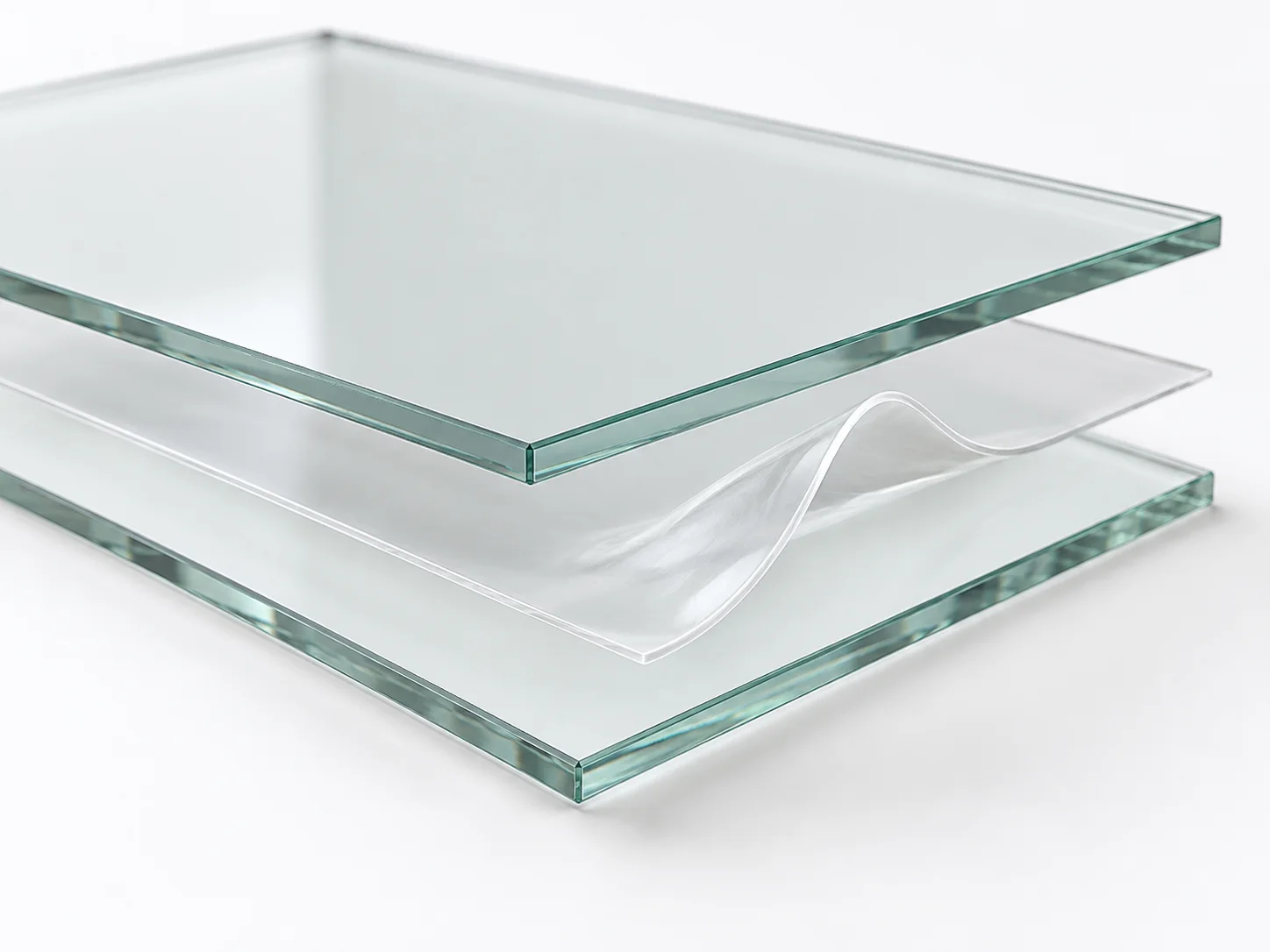
Two or more layers of glass bonded with a plastic interlayer (PVB or EVA). If broken, the glass fragments adhere to the interlayer, providing safety and sound reduction.
Lap Siding
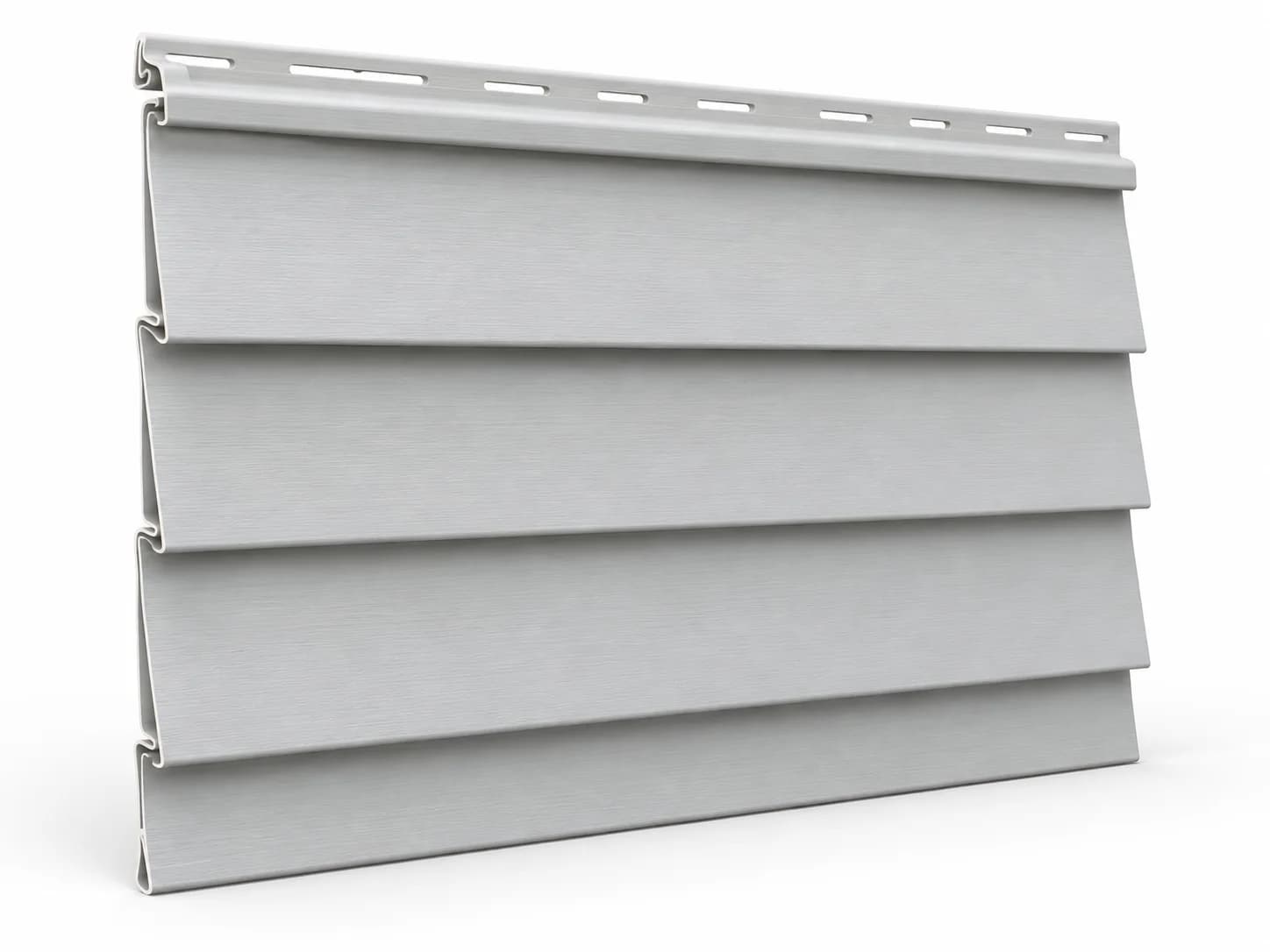
Horizontal siding where each board overlaps the one below it. Also called clapboard or bevel siding. The most common siding installation pattern.
Level
Perfectly horizontal. The and head of a window or door must be level to prevent operational issues and water intrusion.
Lockset
The complete door lock mechanism including the knob or lever, latch, and lock cylinder, responsible for securing the door.
Low-E Glass
Glass with a microscopically thin metallic coating that reflects infrared heat while allowing visible light to pass through, improving energy efficiency.
Low-E² / Low-E³
Names commonly used for advanced coatings. In Cardinal's LoE2 and LoE3 product terminology, the numbers refer to two or three silver layers within the coating stack, not the number of coated panes or glass surfaces. Compare the specified product's performance ratings rather than assuming all manufacturers use these names alike.
Low-Expansion Foam
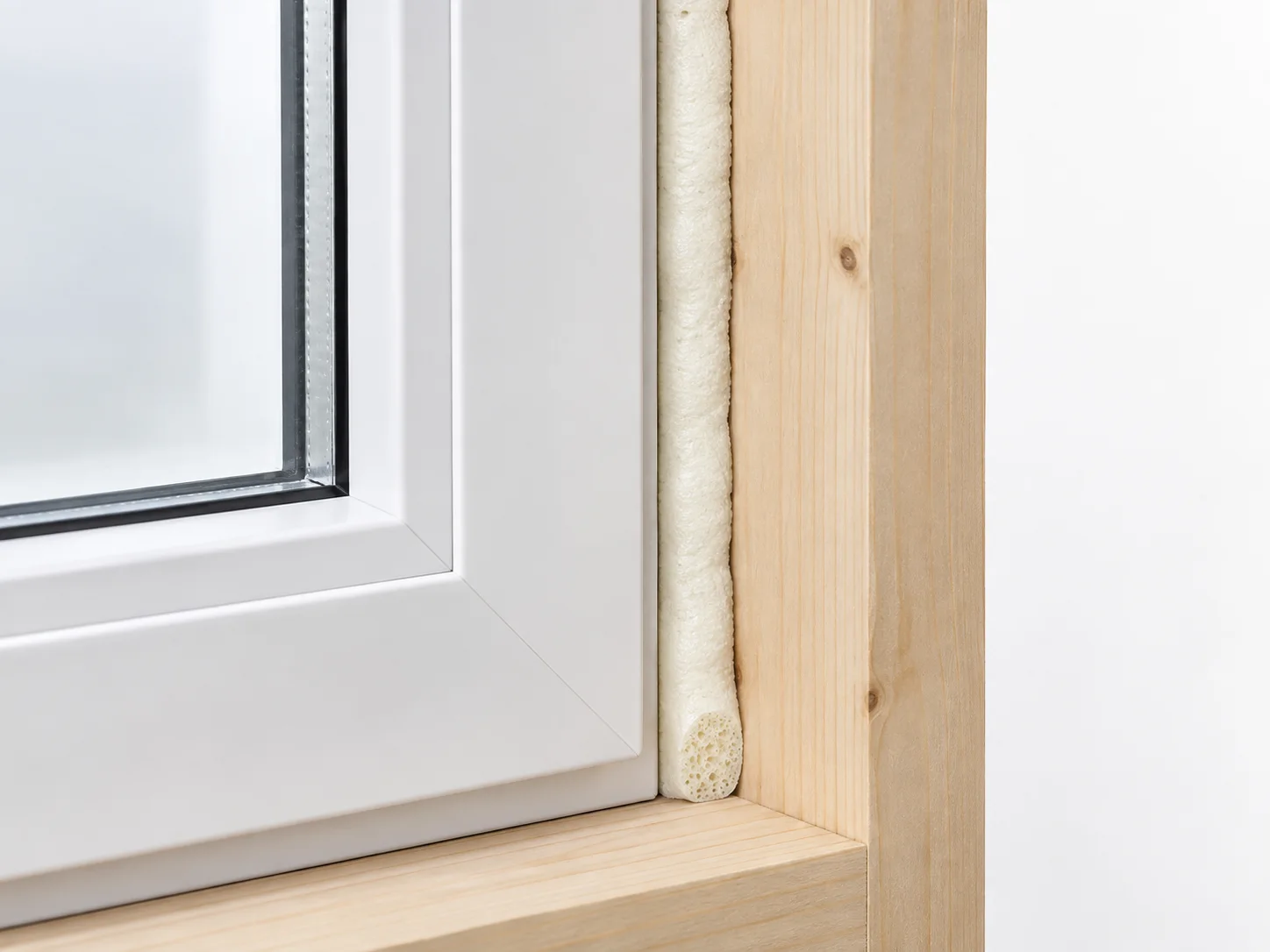
A spray foam that expands gently, used to fill gaps around window and door frames without exerting excessive pressure that could warp the unit.
Lubrication
Applying a manufacturer-approved lubricant to specified moving hardware to maintain smooth operation. The correct product and application points depend on the mechanism and materials. Clean first, and do not assume that oil, silicone spray or lubricating every track and is appropriate.
M
Meeting Rail
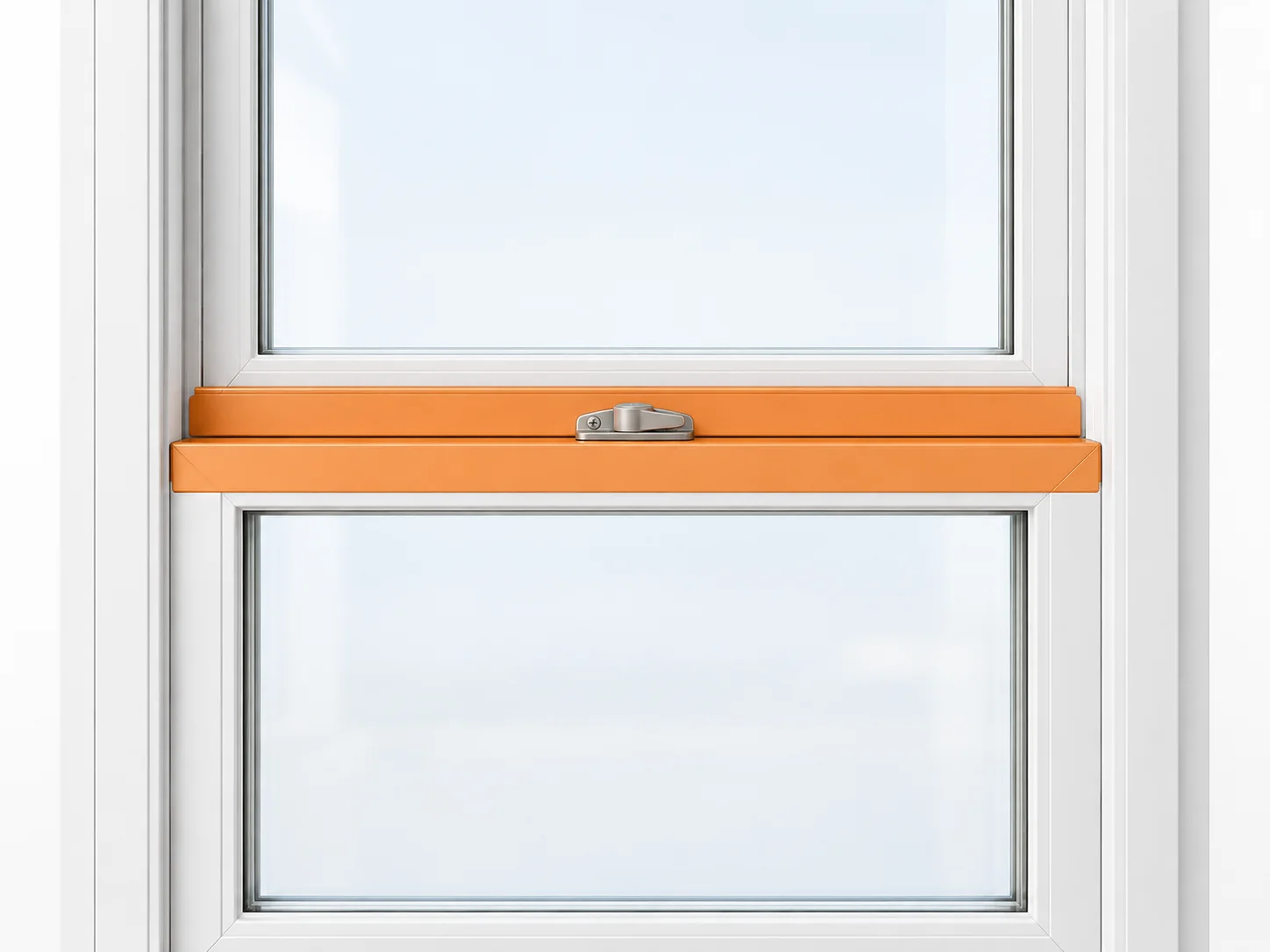
One of the horizontal members that meet when a or is closed. This junction commonly contains and a sash lock. On horizontally sliding units, the equivalent meeting members are usually called meeting stiles.
Mullion
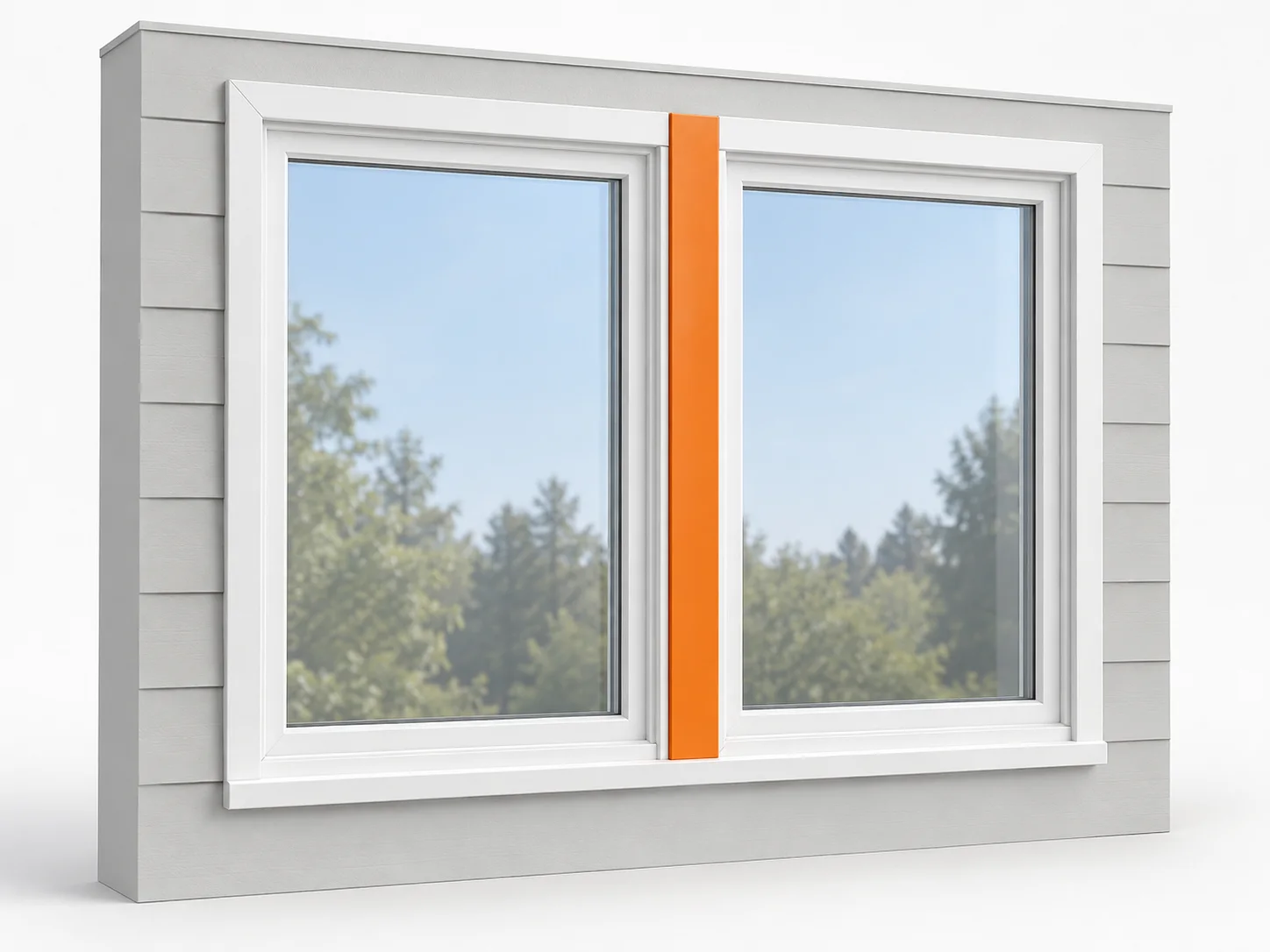
A vertical or horizontal member joining adjacent window or door units in a combined assembly. Unlike a or decorative , it separates individual units rather than small panes within one . Structural requirements depend on the assembly.
Multi-Point Lock

A locking system operated from one main mechanism that engages at multiple locations along a door. The number and type of locking points vary. It can help hold the door against its seals; security and weather performance depend on the complete tested door assembly and installation.
Multi-Slide Door
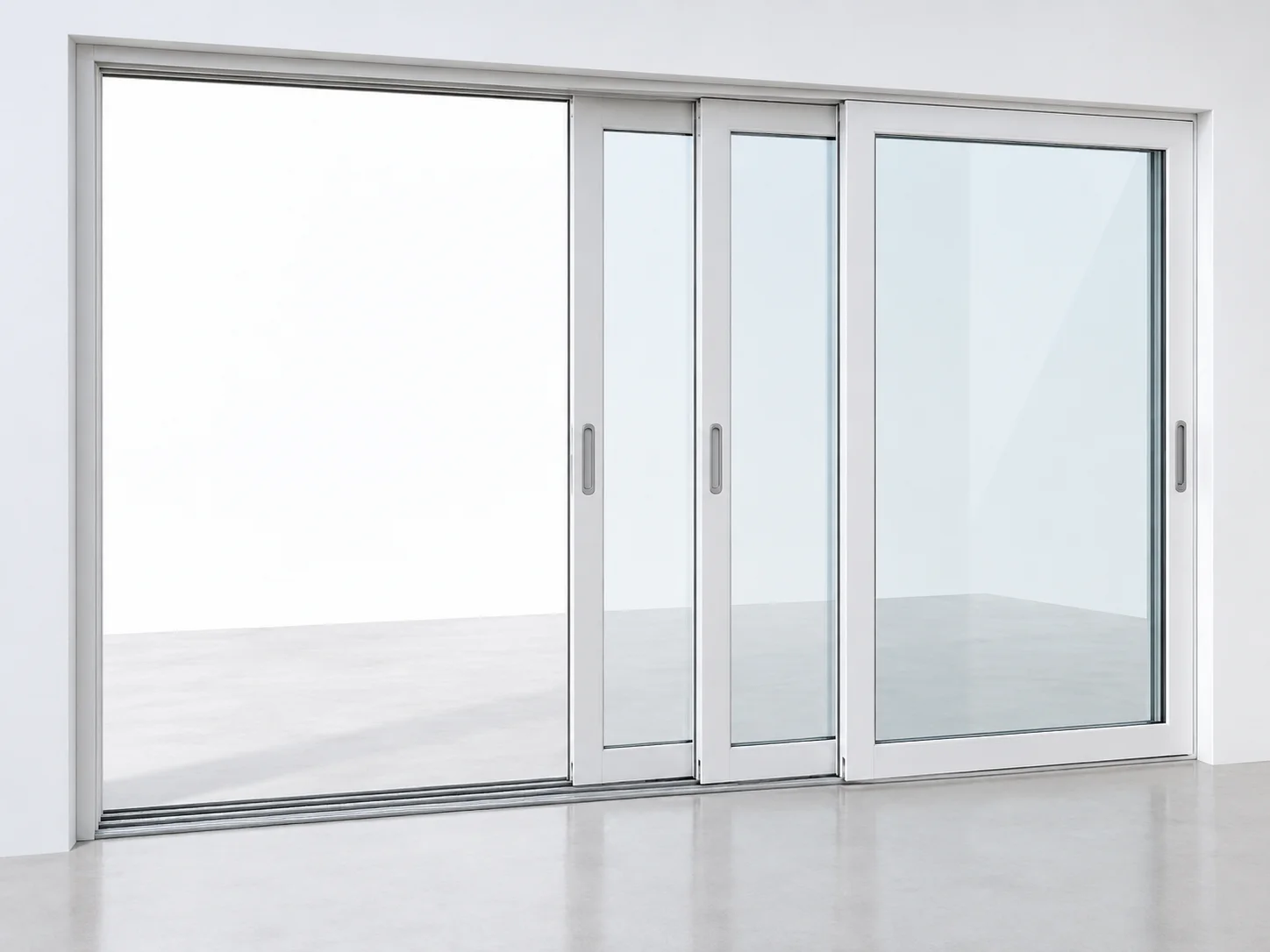
A system of large glass panels that slide and stack behind one another or into a pocket, creating an expansive opening to the outdoors.
Muntin
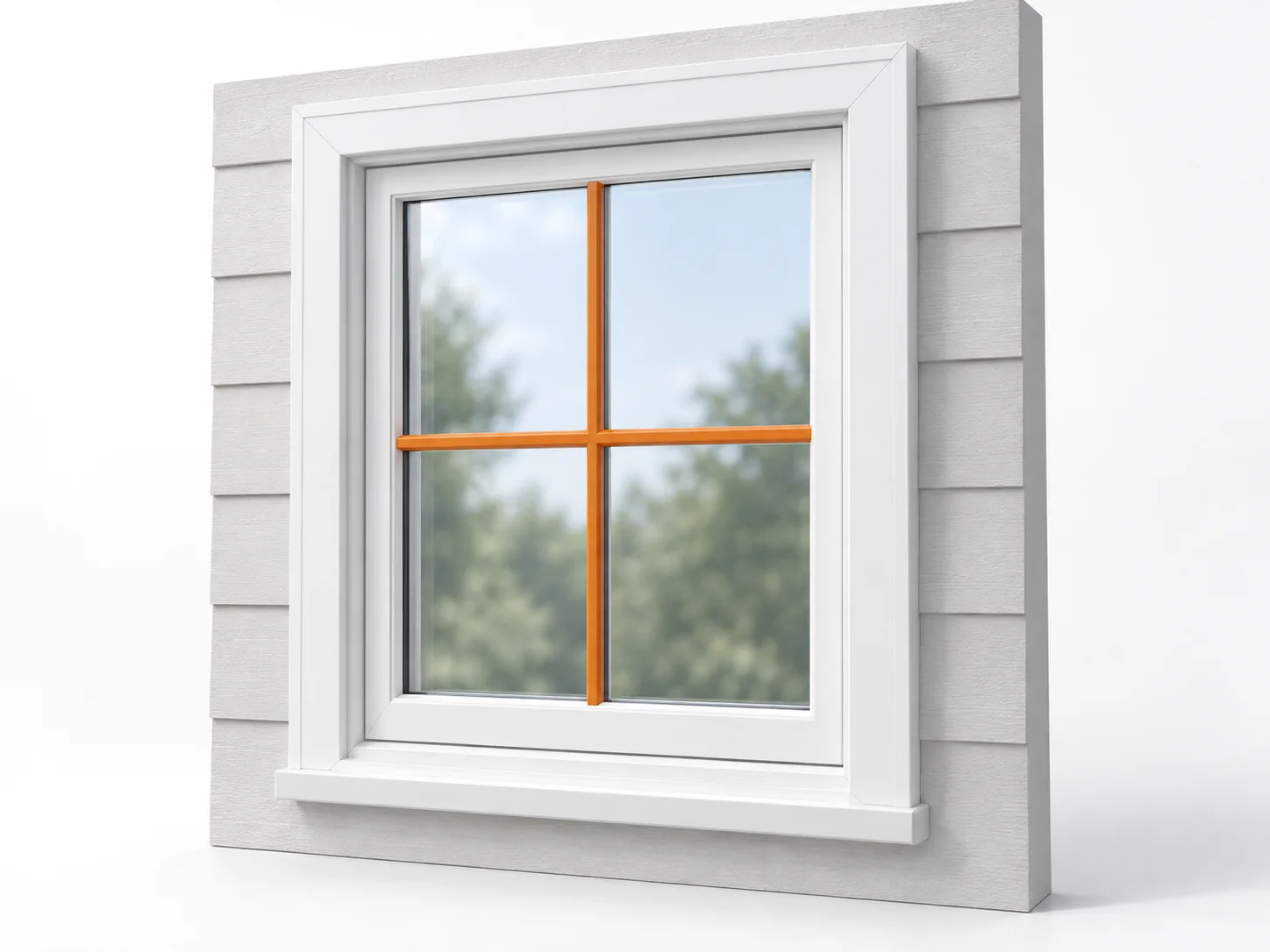
A narrow bar separating individual glass panes within a in a true divided-lite window. Modern applied bars can simulate this appearance without dividing the glass. A instead joins separate window units.
N
NAFS
North American Standard — a unified standard for rating the performance of windows, doors, and skylights across Canada and the US.
Nail Fin
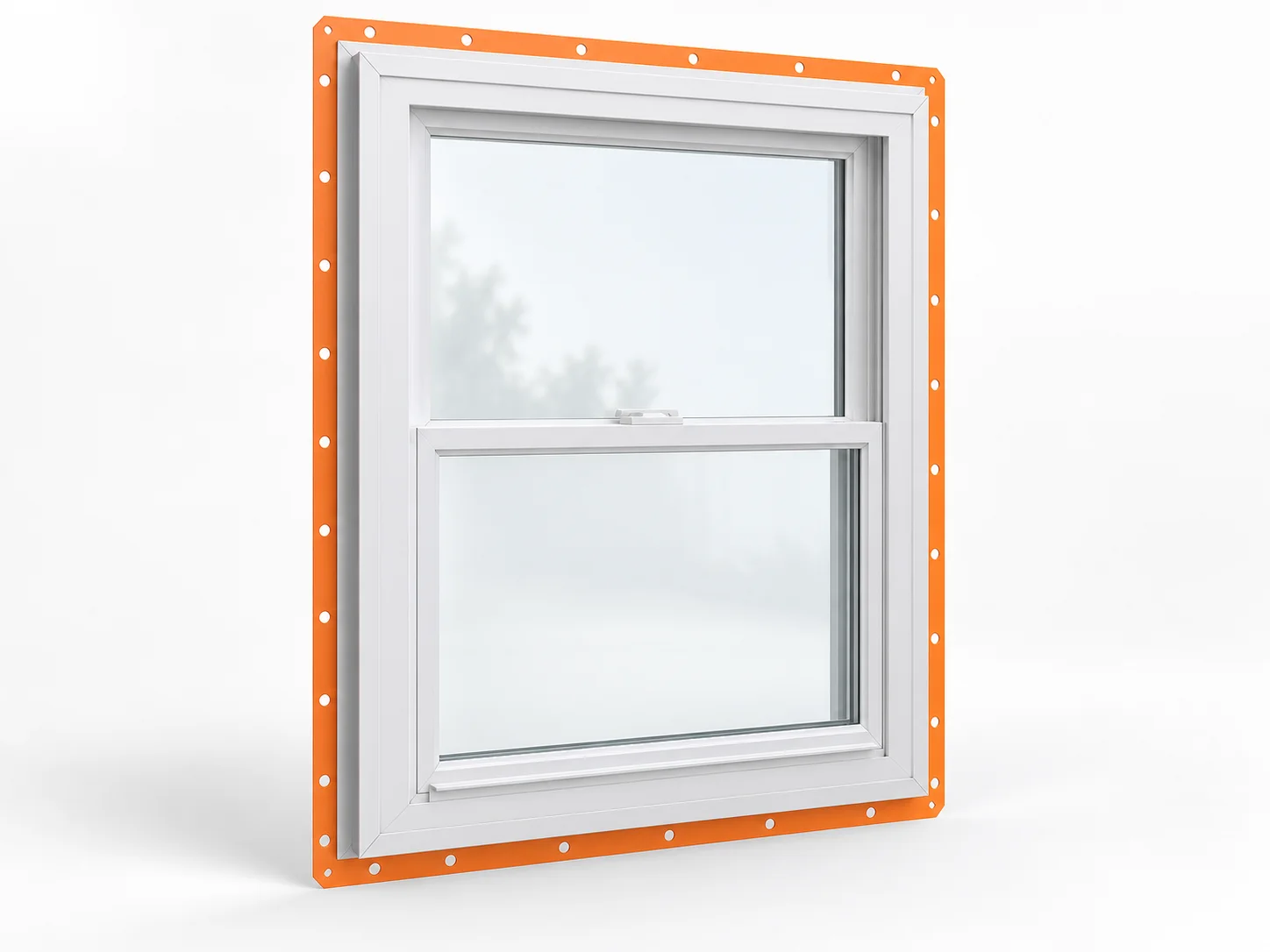
A flat flange extending from the window or door , providing a surface to nail or screw the unit directly to the wall during new construction installation.
Nailing Hem
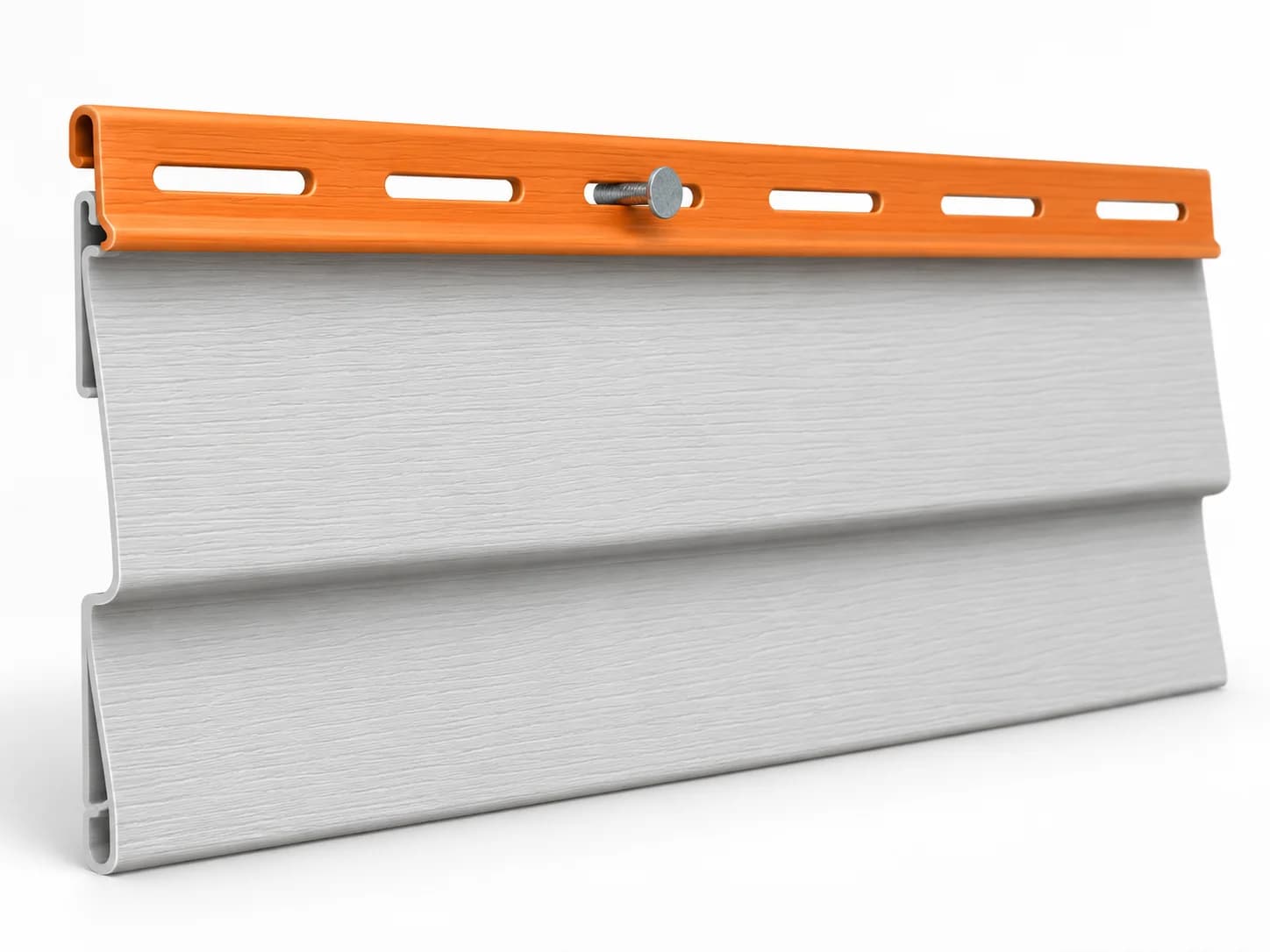
The fastening strip along the edge of a siding panel, often formed with elongated slots in . The slots allow the panel to move with temperature changes when installed correctly. Fastener placement and clearance must follow the product instructions.
National Building Code of Canada (NBC)
The model building code developed by the National Research Council of Canada, providing minimum standards for safety, health, and energy efficiency in buildings.
O
Obscure Glass
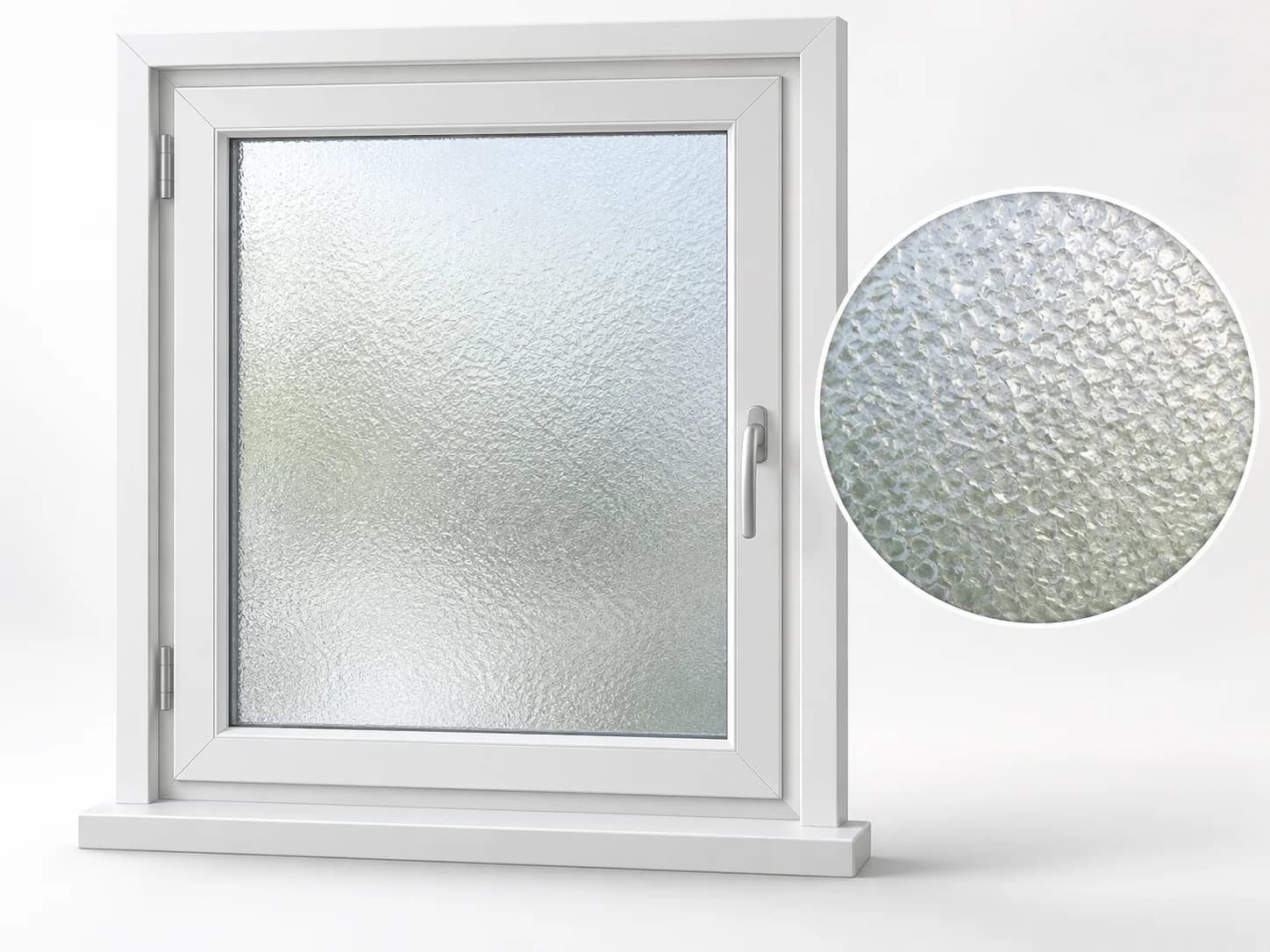
Textured or frosted glass that allows light in while providing privacy. Common in bathroom windows and sidelights.
Ontario Building Code (OBC)
The provincial building code governing construction standards in Ontario, including requirements for windows, doors, insulation, and structural elements.
Operating Force
The amount of force required to open, close, or lock a window or door. Building codes set maximum limits to ensure accessibility.
Operator
The crank, lever, or handle mechanism used to open and close casement and awning windows.
OSB (Oriented Strand Board)
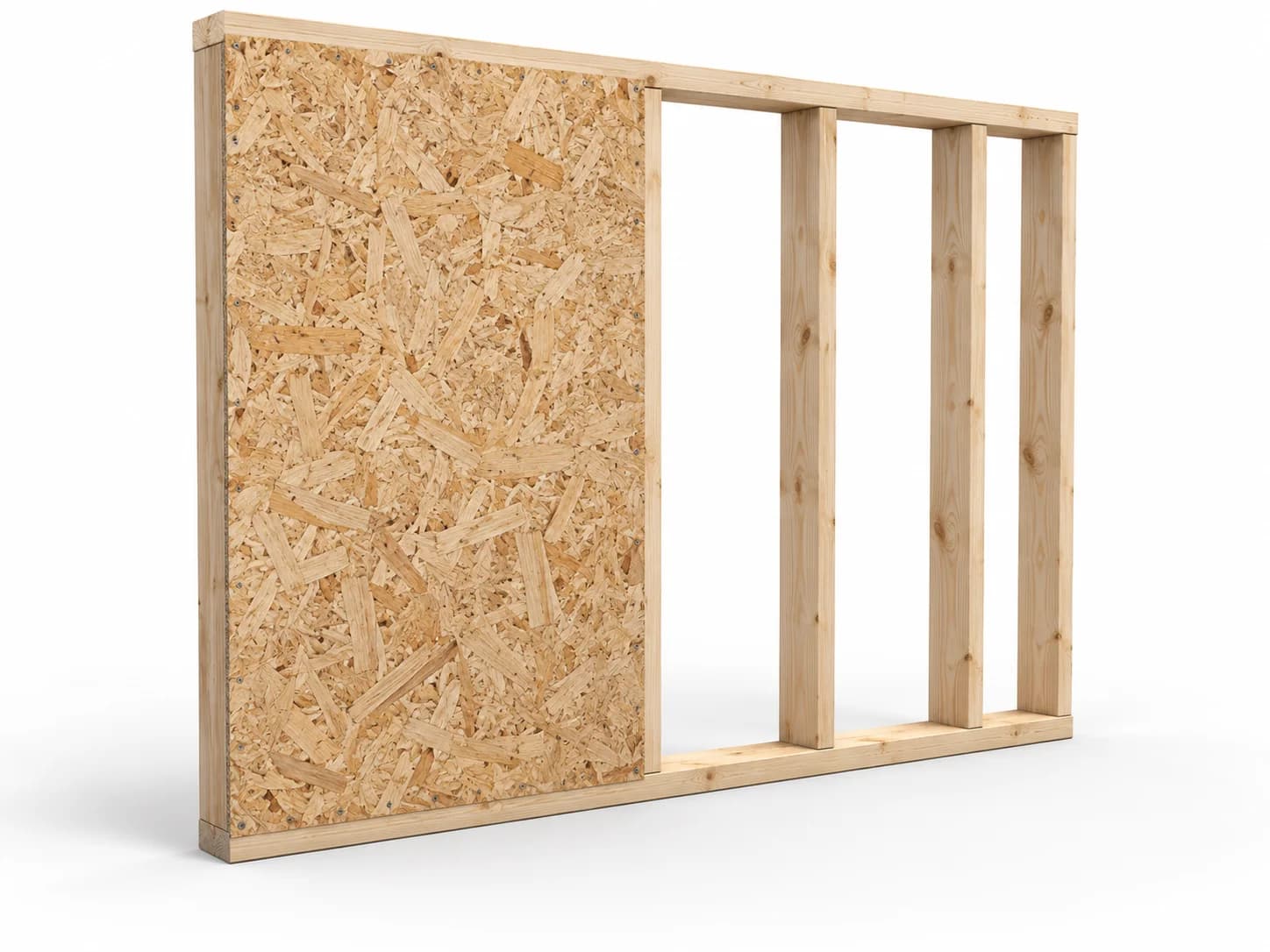
An engineered wood panel made from compressed layers of wood strands bonded with resin. Used as wall beneath siding and as roof decking.
P
Paint Touch-Up
Applying matching paint to scratched or chipped areas on painted wood, steel, or fiber cement surfaces to prevent moisture penetration and maintain appearance.
Passive Solar Design
An architectural approach that uses the building's orientation, window placement, and thermal mass to capture and store solar heat in winter and minimize it in summer.
Patio Door
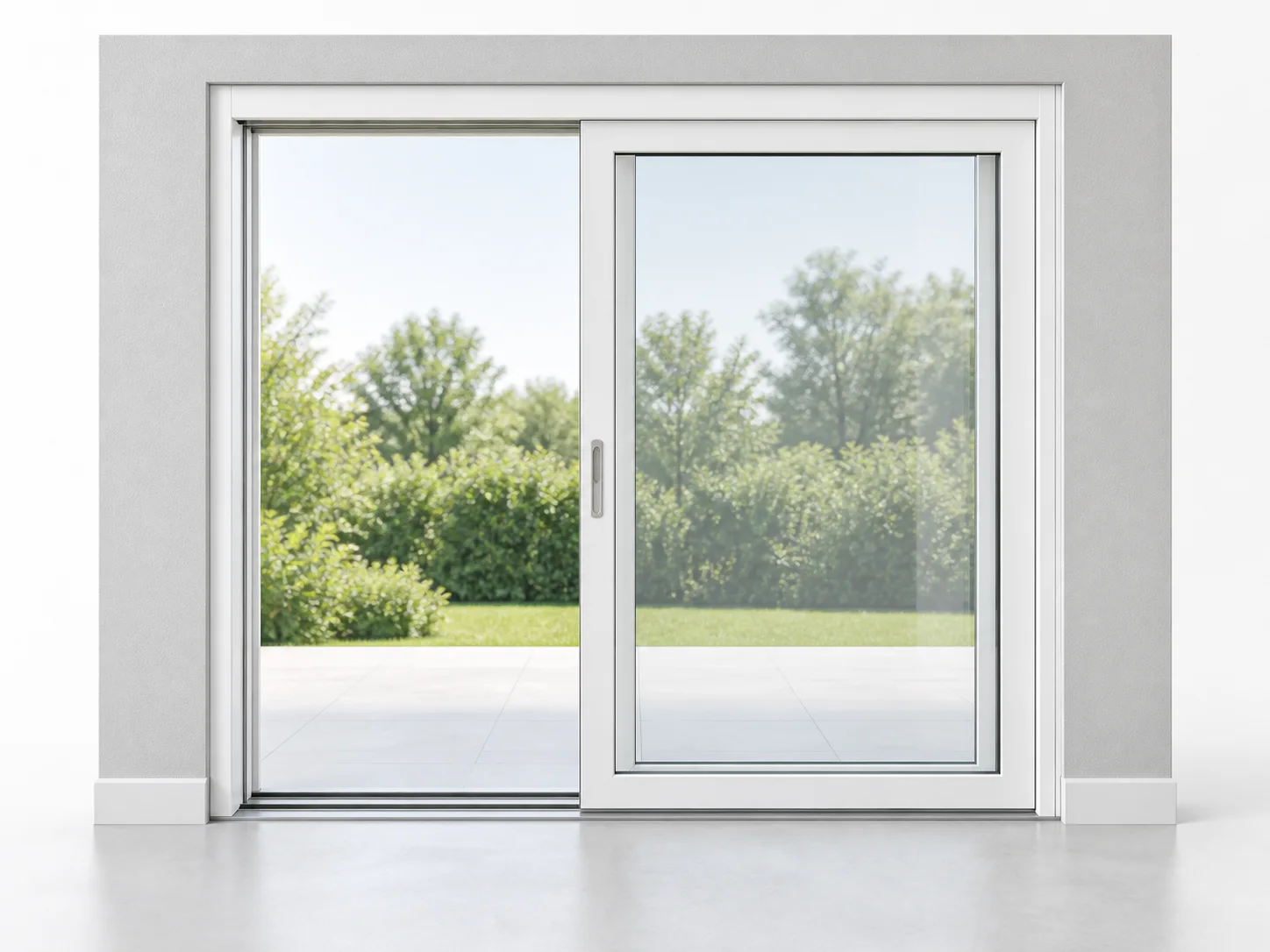
A wide door providing access to an outdoor area. Can be a sliding, hinged (French), or folding design.
Peephole / Door Viewer
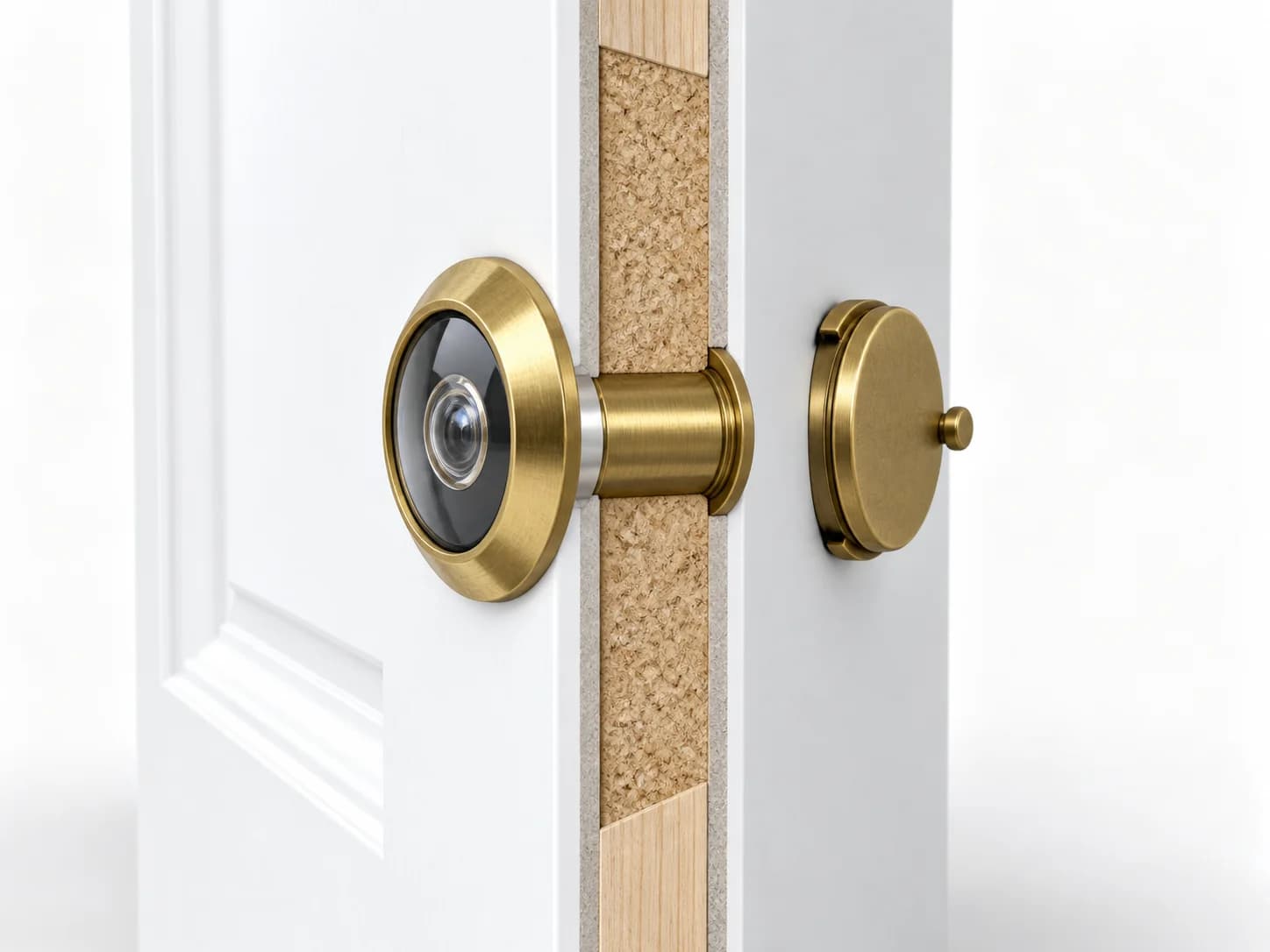
A small wide-angle lens installed in an that allows the occupant to see who is outside without opening the door.
Picture Window
A designed to provide a broad view, usually with a large, unobstructed glass area. It does not provide ventilation; the name describes its use rather than a separate operating mechanism.
Plumb
Perfectly vertical. A window or door must be plumb (using a ) during installation to ensure proper operation and weathertight performance.
Prehung Door
A door supplied already hung on in a matching . An exterior assembly commonly includes a and , but the included lock hardware, trim and finishing vary. Confirm the , and included components when ordering.
PVC Trim
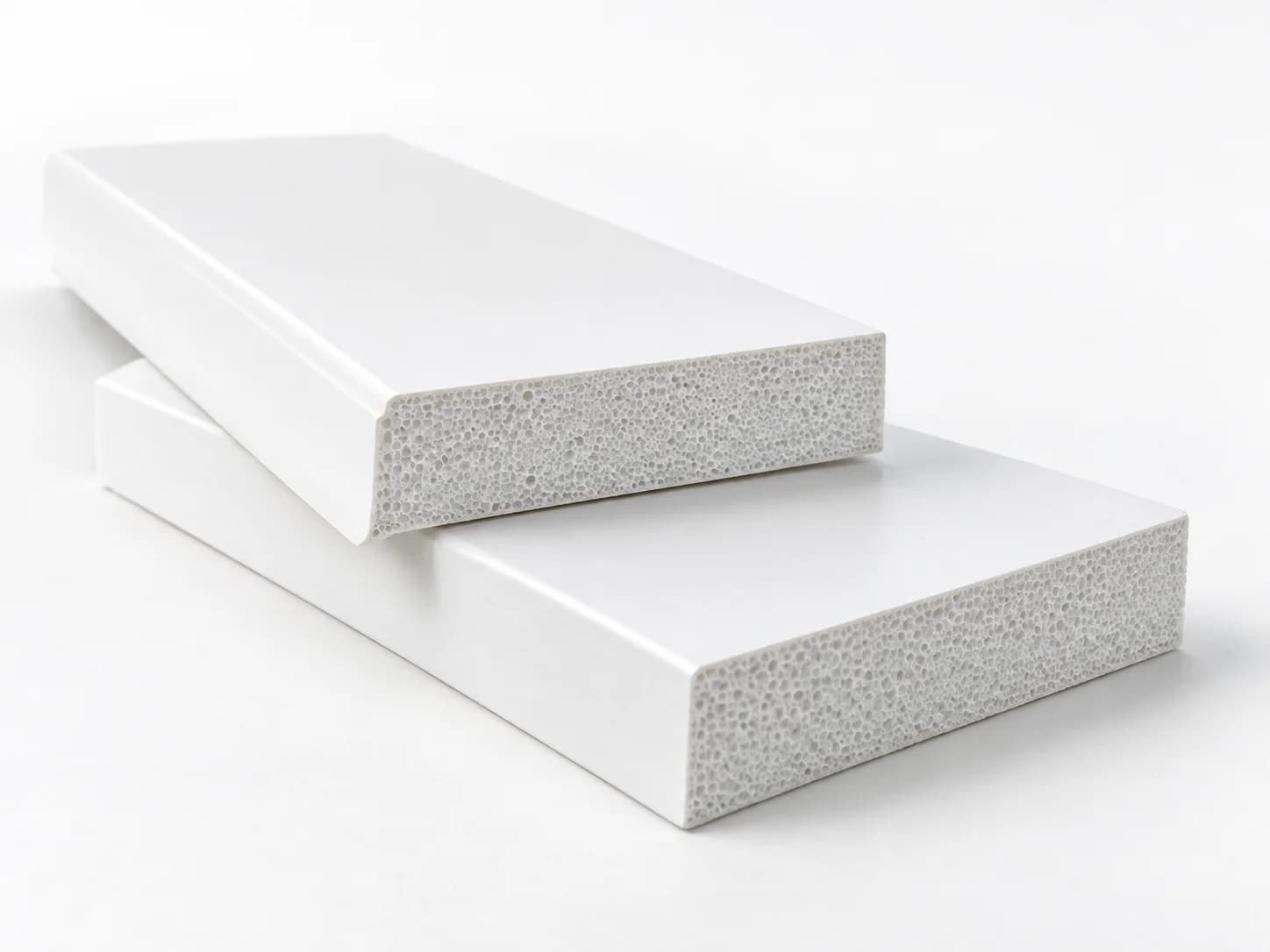
Cellular PVC boards used as exterior trim around windows, doors, and corners. Completely moisture-proof, paintable, and will not rot, split, or attract insects.
R
R-Value
A measure of resistance to heat flow; higher values mean greater thermal resistance. R-value is the reciprocal of only for the same assembly in consistent units. Whole-window and centre-of-glass values are not interchangeable, and metric RSI differs from imperial R-value.
Rail
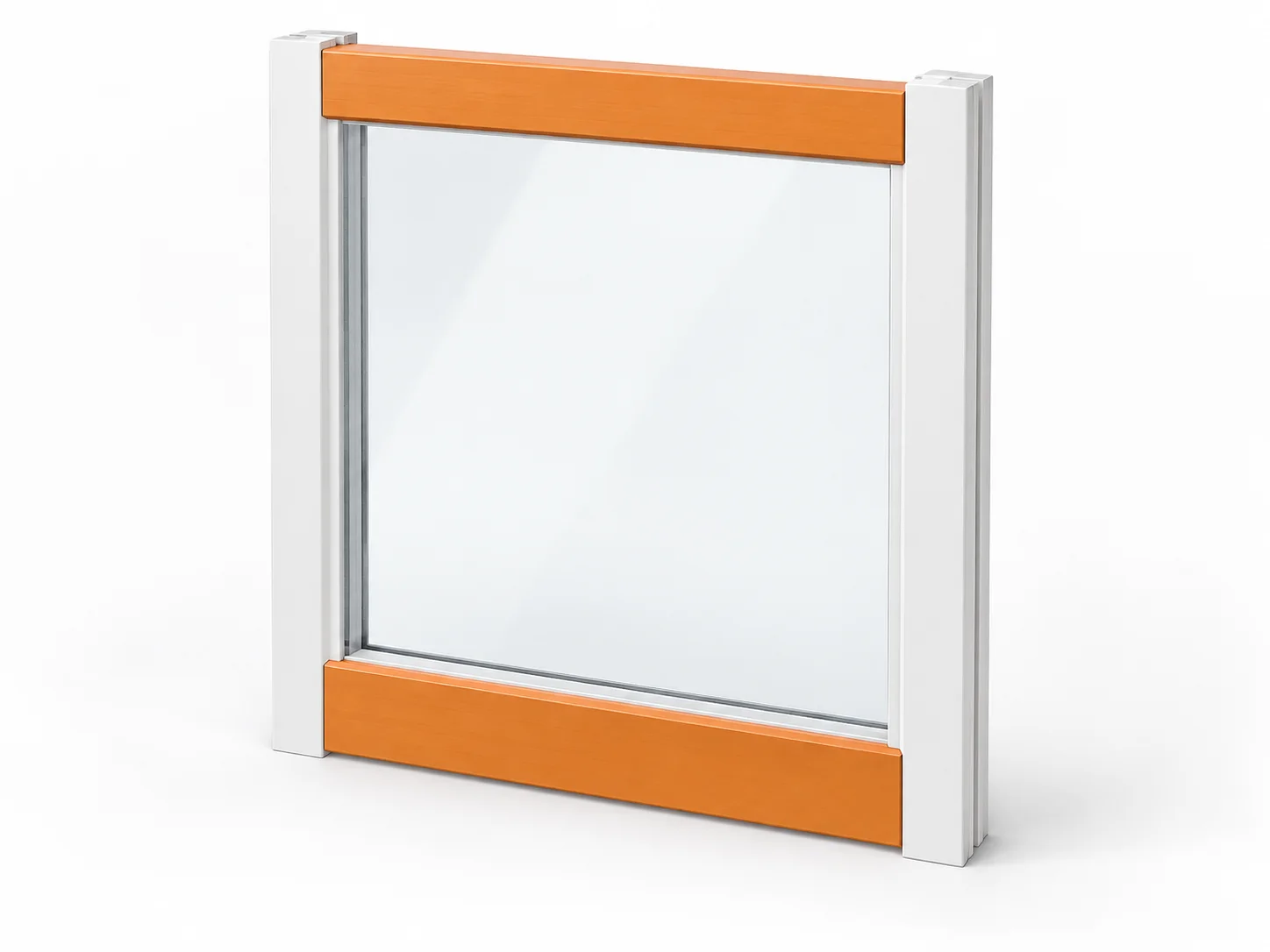
A horizontal member of a window or framed , such as a top or bottom rail. The corresponding vertical member is a . In this context, rail describes part of the framework, not the track a sliding unit runs on.
Rainscreen / Drainage Cavity
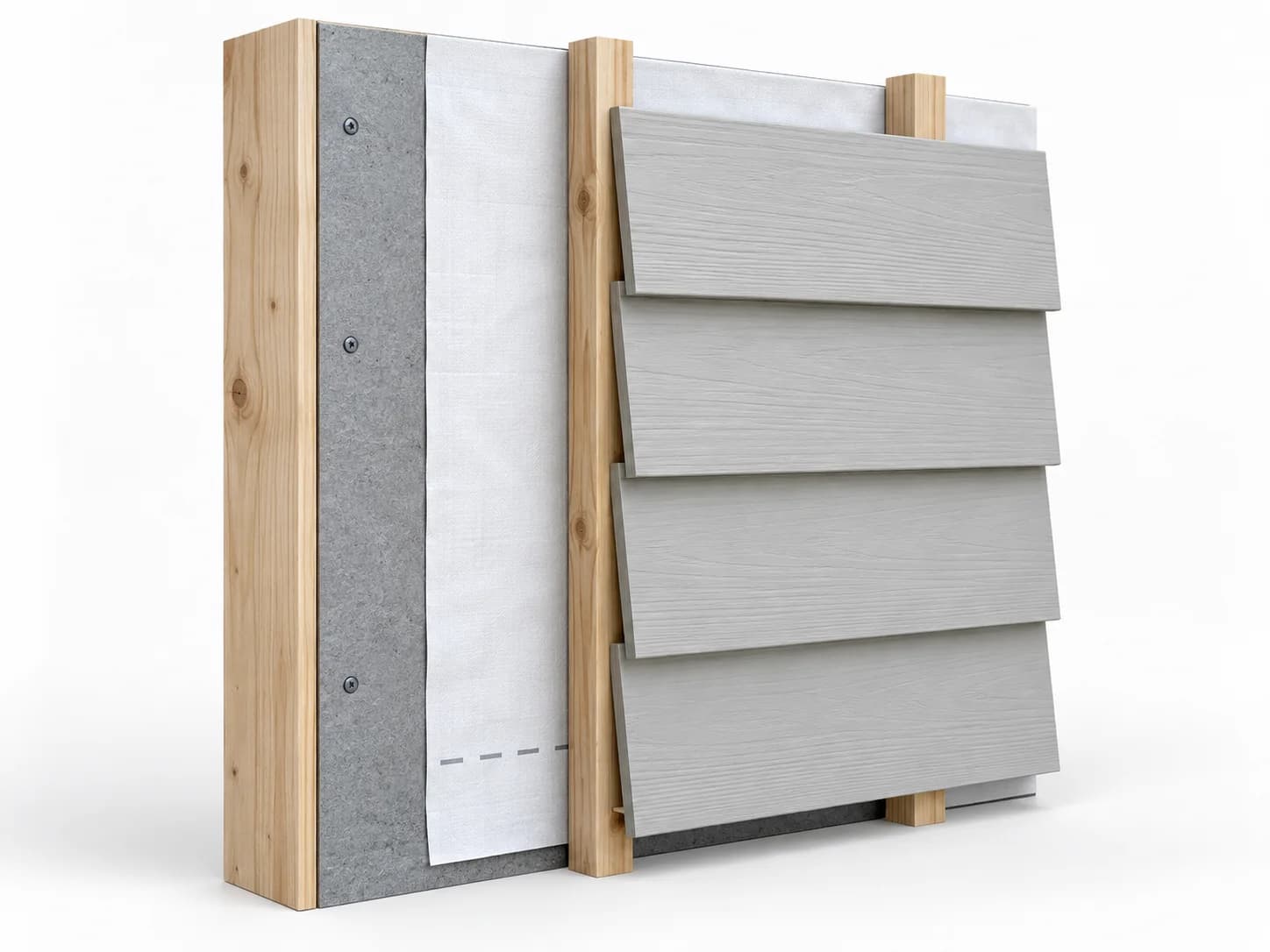
A space behind exterior cladding that provides a path for water to drain and, where designed for it, air to circulate and promote drying. layouts or proprietary drainage products can create the gap. It works with a , and properly detailed outlets.
Retractable Screen
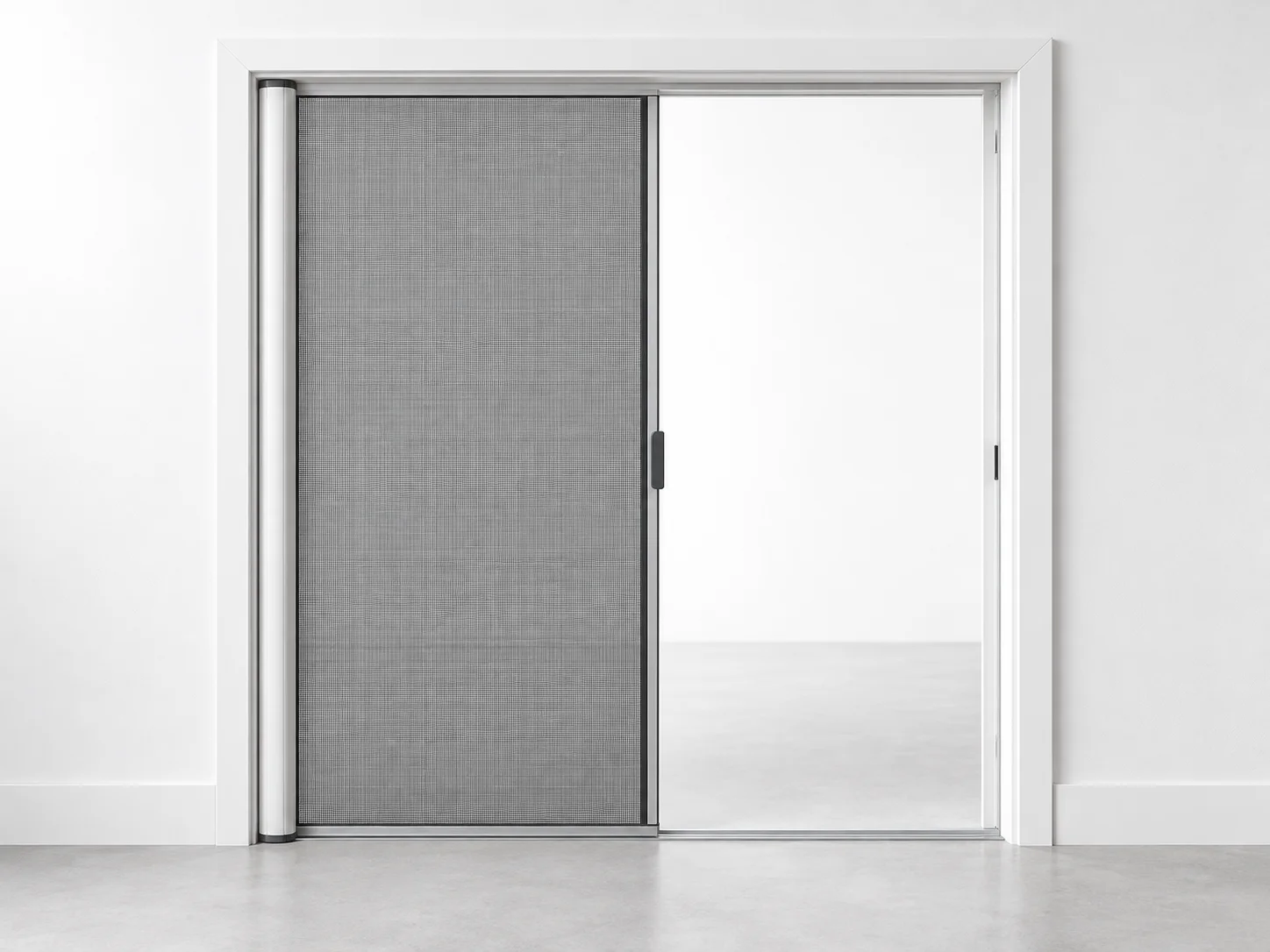
A that rolls into a hidden housing when not in use, providing an unobstructed view. Available for windows and patio doors.
Retrofit (Insert) Installation
A replacement method that fits a new window inside a suitable existing , which remains in place. Also called insert or pocket replacement. It usually reduces the available glass area, and the retained frame must be sound and suitable for the specified installation.
Rigid Foam Insulation
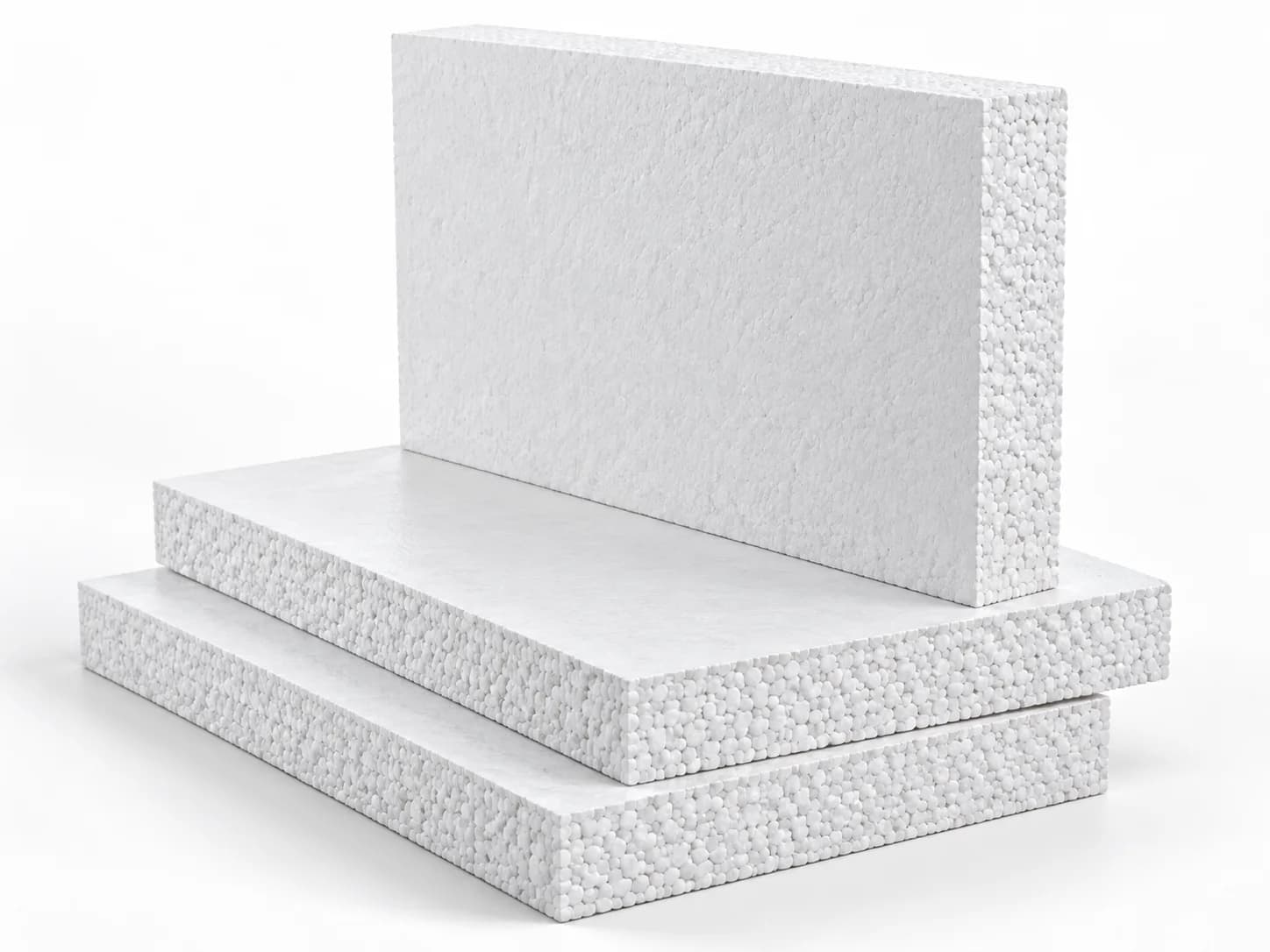
Stiff insulation boards (EPS, XPS, or polyiso) applied to exterior walls beneath siding to add continuous insulation and reduce .
Rough Opening
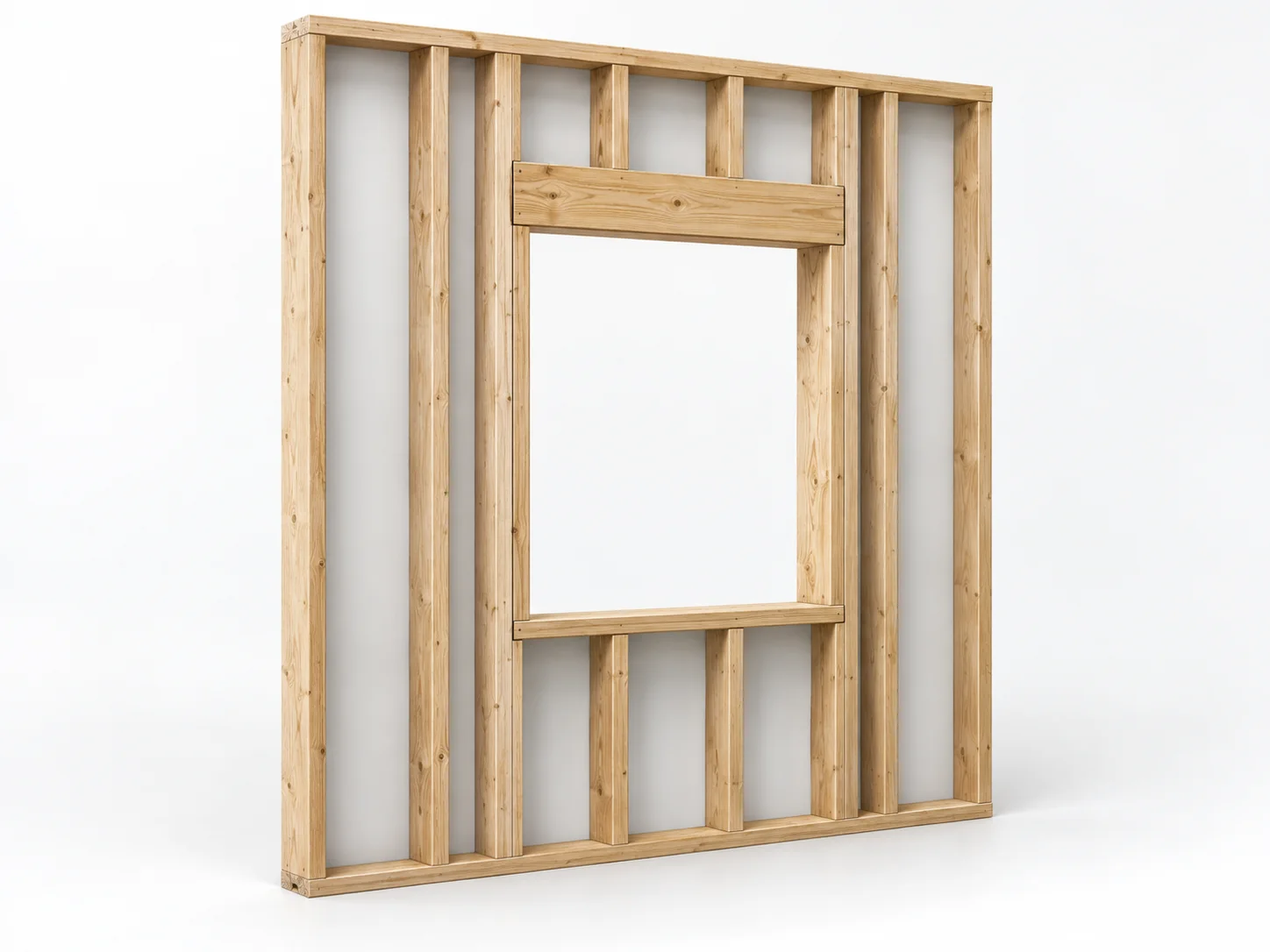
The framed wall opening that receives a window or door, measured before the unit is installed. Its required width, height and installation clearances must follow the specific manufacturer instructions; there is no universal allowance per side. It is different from the or finished .
S
Sash
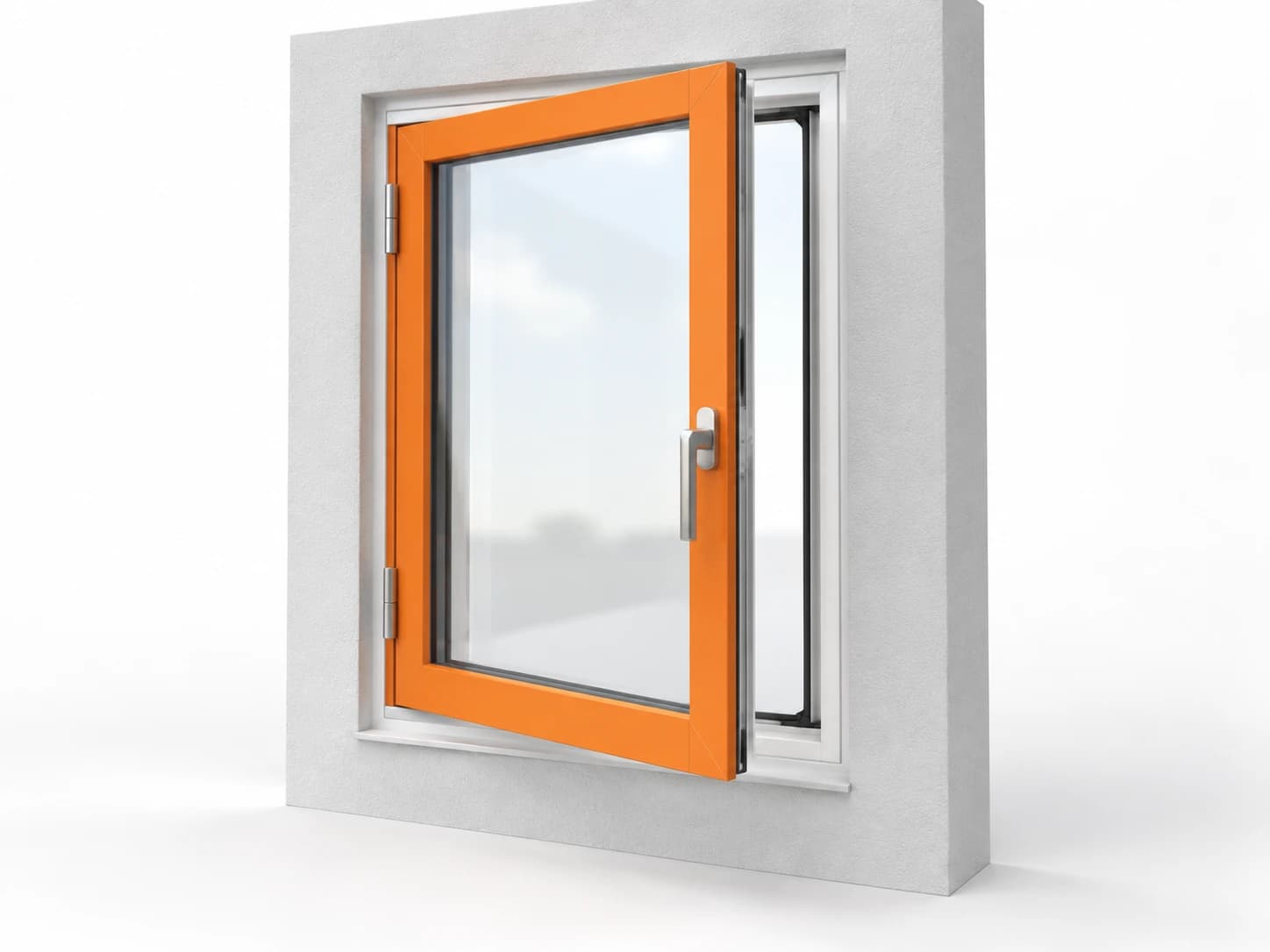
The framework that holds the glass within a window . A sash may be fixed or operable; in a , both sashes move. Some fixed windows have glass set directly into the outer frame instead of a separate sash.
Sash Lift
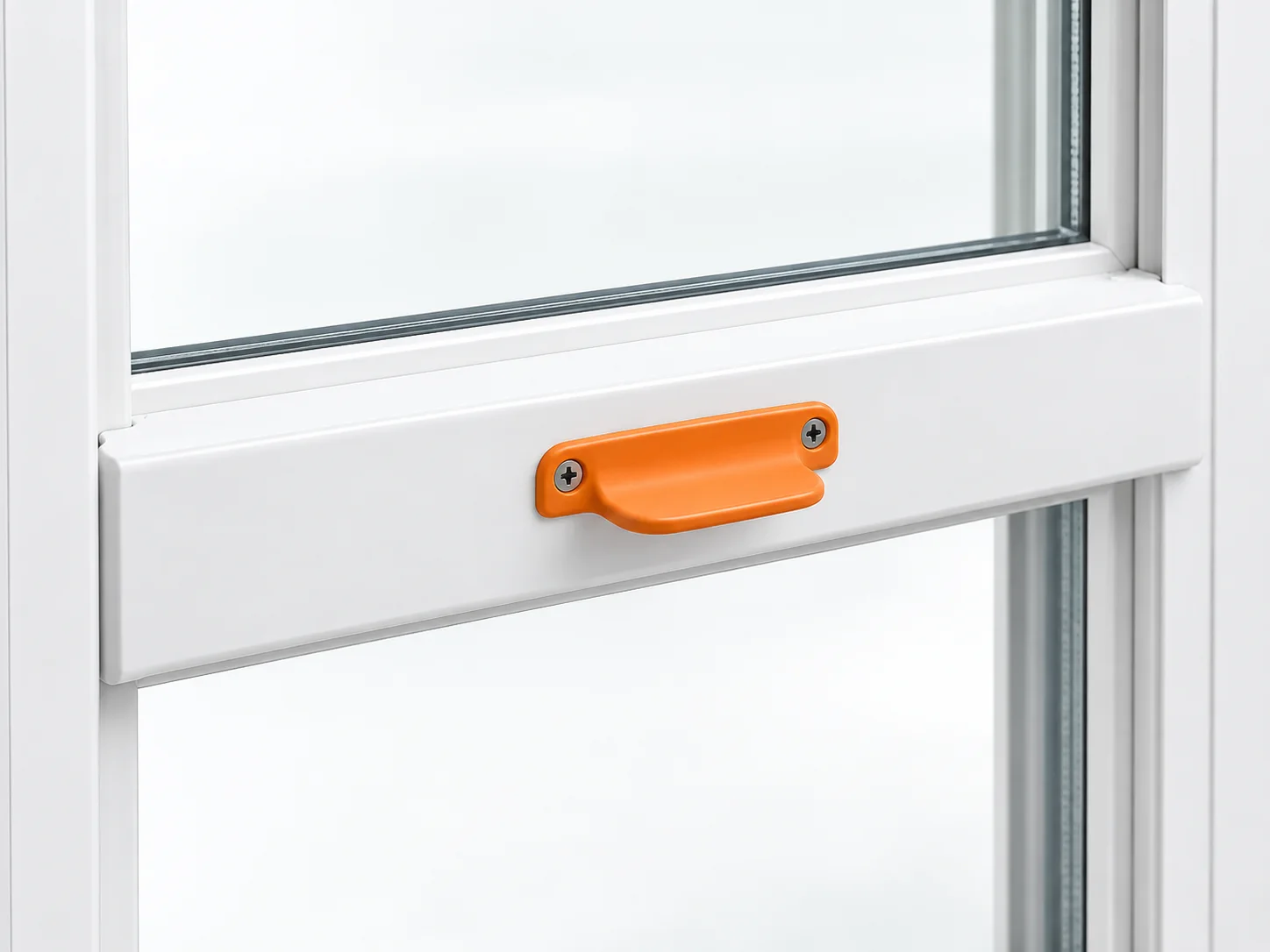
A handle or grip attached to the bottom of a single- or to assist in raising the sash.
SB-12 (Supplementary Standard)
An Ontario energy-efficiency supplementary standard within the OBC that sets performance requirements for components including windows and doors.
Screen
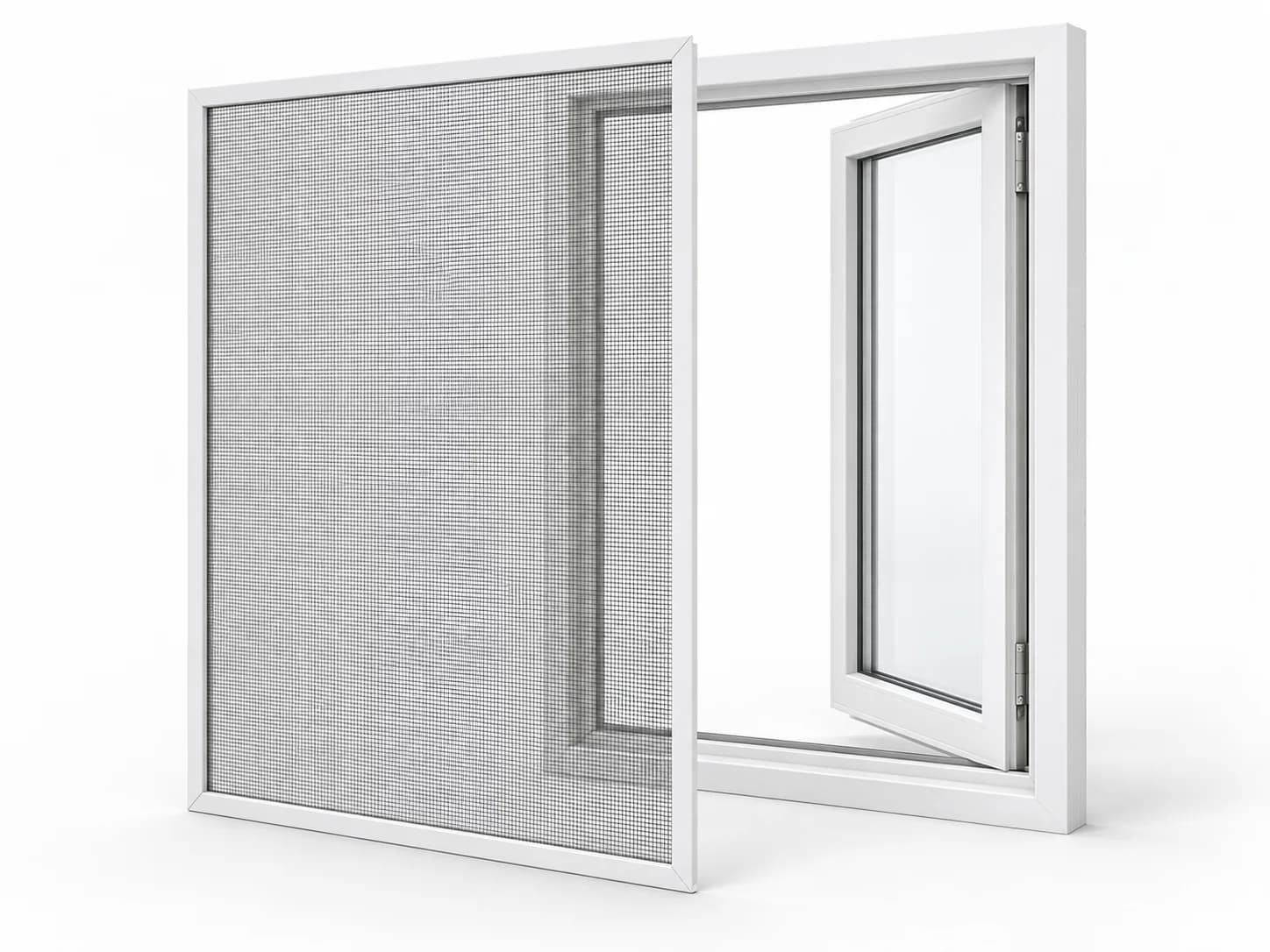
A mesh panel fitted over a window opening to allow airflow while keeping insects out. Available in or mesh.
Screen Door
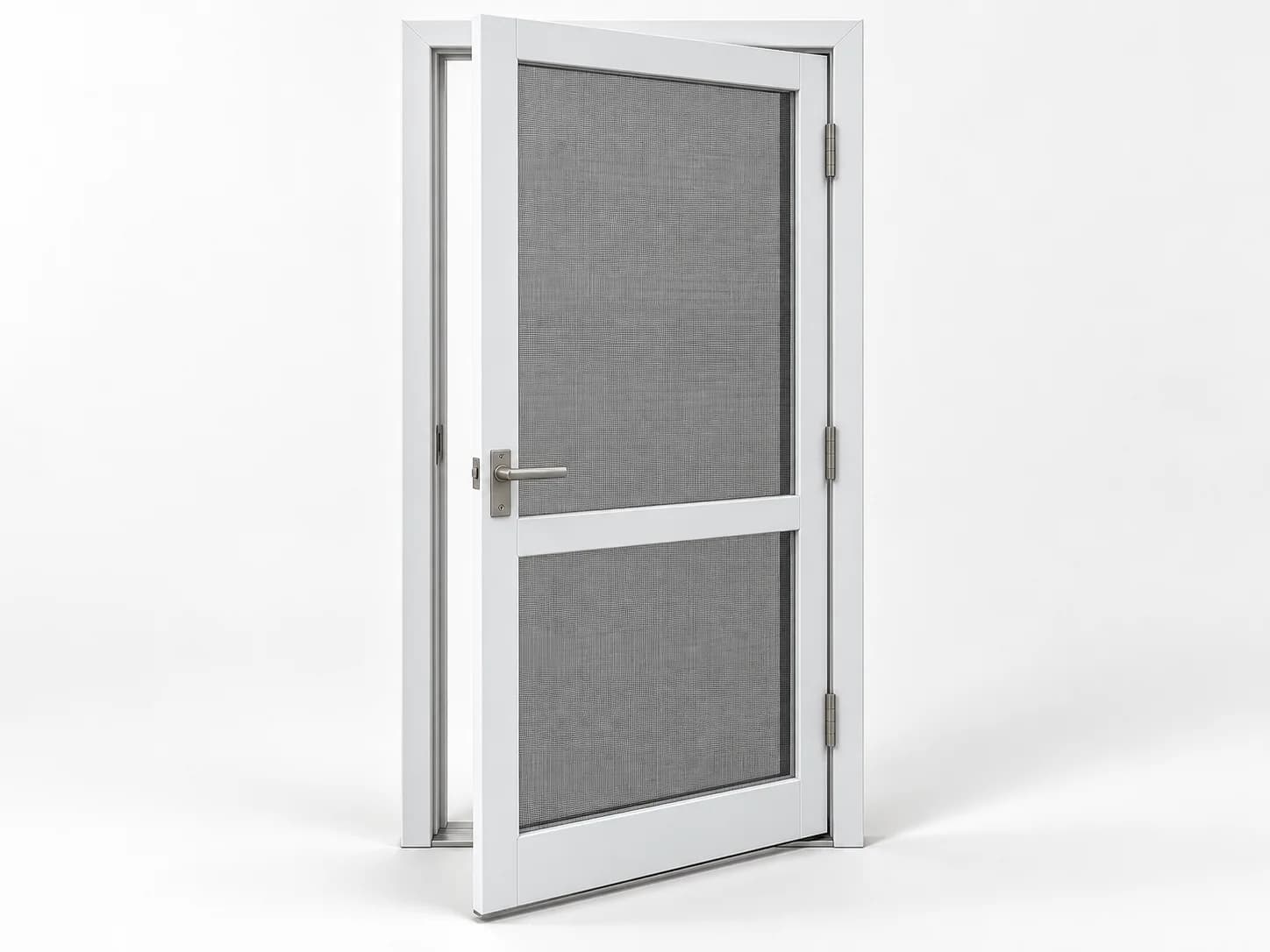
A door with a mesh instead of solid panels, allowing airflow while keeping insects out. Often paired with a solid entry or .
Screen Repair
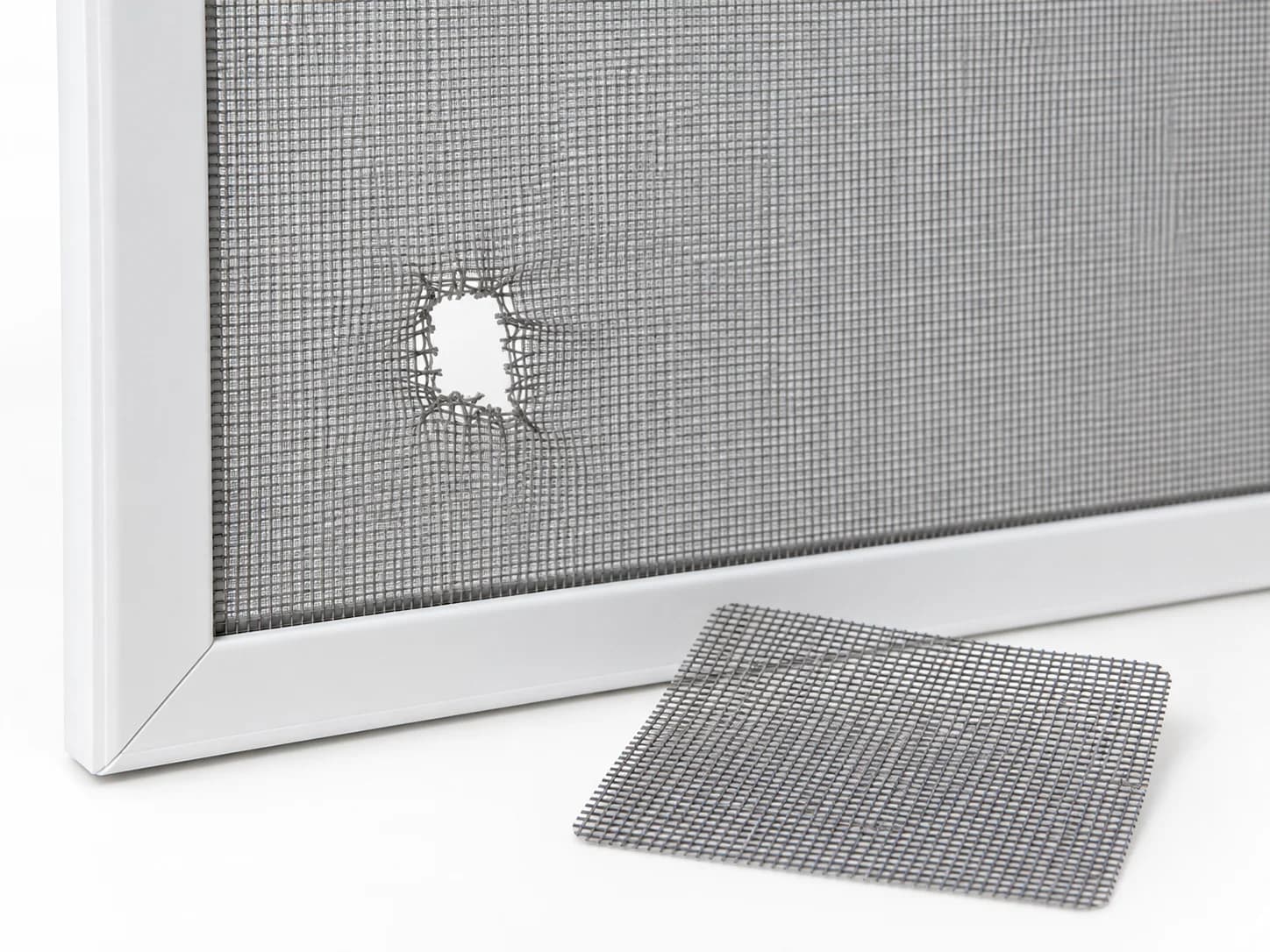
Patching holes or replacing damaged mesh in window and door screens to maintain their ability to keep insects out while allowing airflow.
Seal Failure
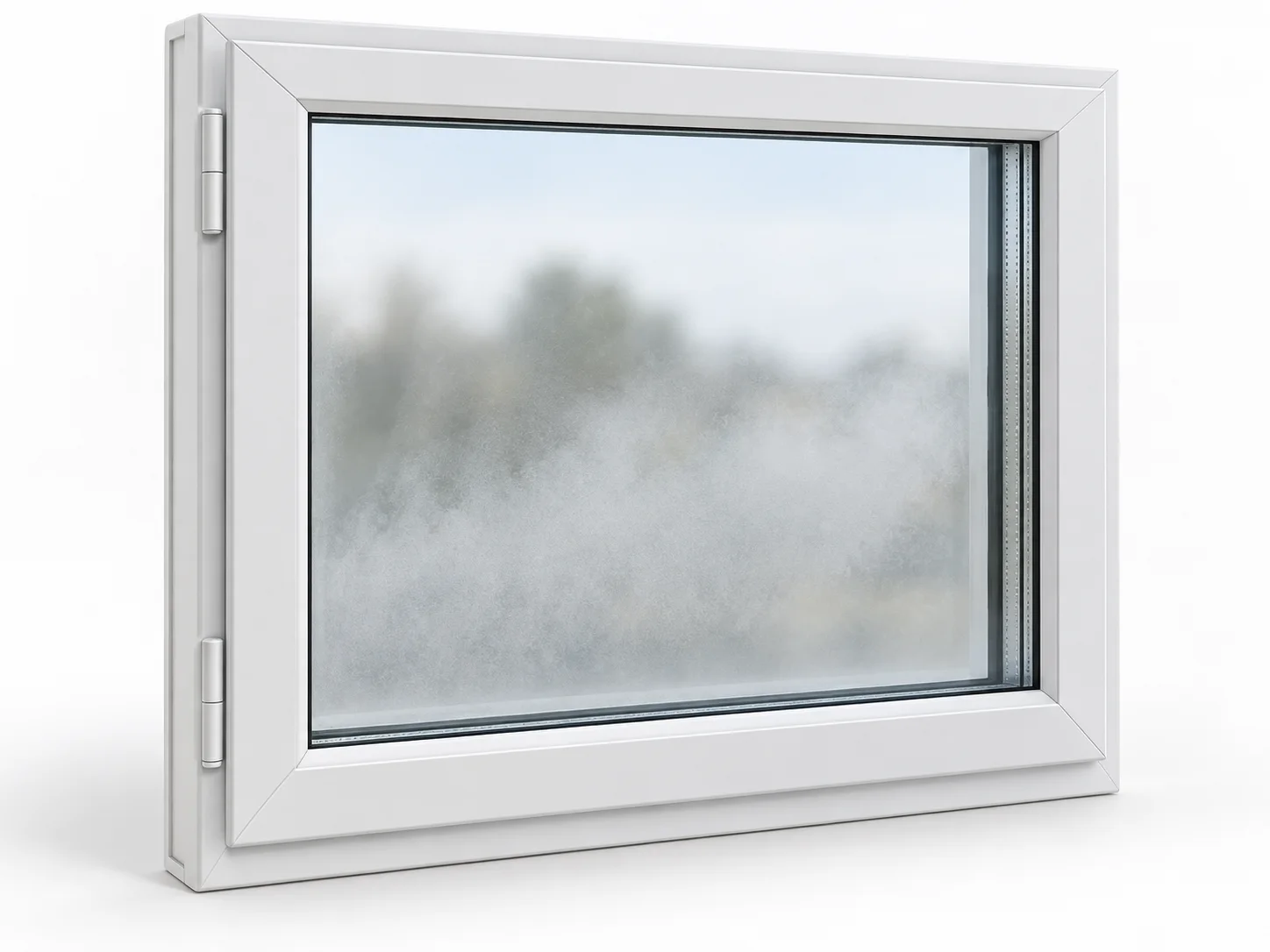
The breakdown of the seal in an , allowing moisture or air to enter the space between panes, resulting in foggy or hazy glass.
Sealant
A flexible compound (silicone, polyurethane, or latex) applied to joints and seams around windows, doors, and siding to prevent water and air infiltration.
Seasonal Inspection
A periodic check of windows, doors, and siding for damage, wear, seal integrity, and proper operation — ideally conducted in spring and fall.
Shake & Shingle Siding
Siding resembling traditional hand-split shakes or machine-cut shingles. Available in wood, vinyl, or fiber cement for a classic, textured look.
Sheathing
Panels installed over wall framing beneath the exterior finish. Structural plywood or OSB can provide bracing and a fastening base when specified for those purposes. Insulating foam sheathing adds but is not automatically structural bracing or adequate support for siding fasteners.
Shimming
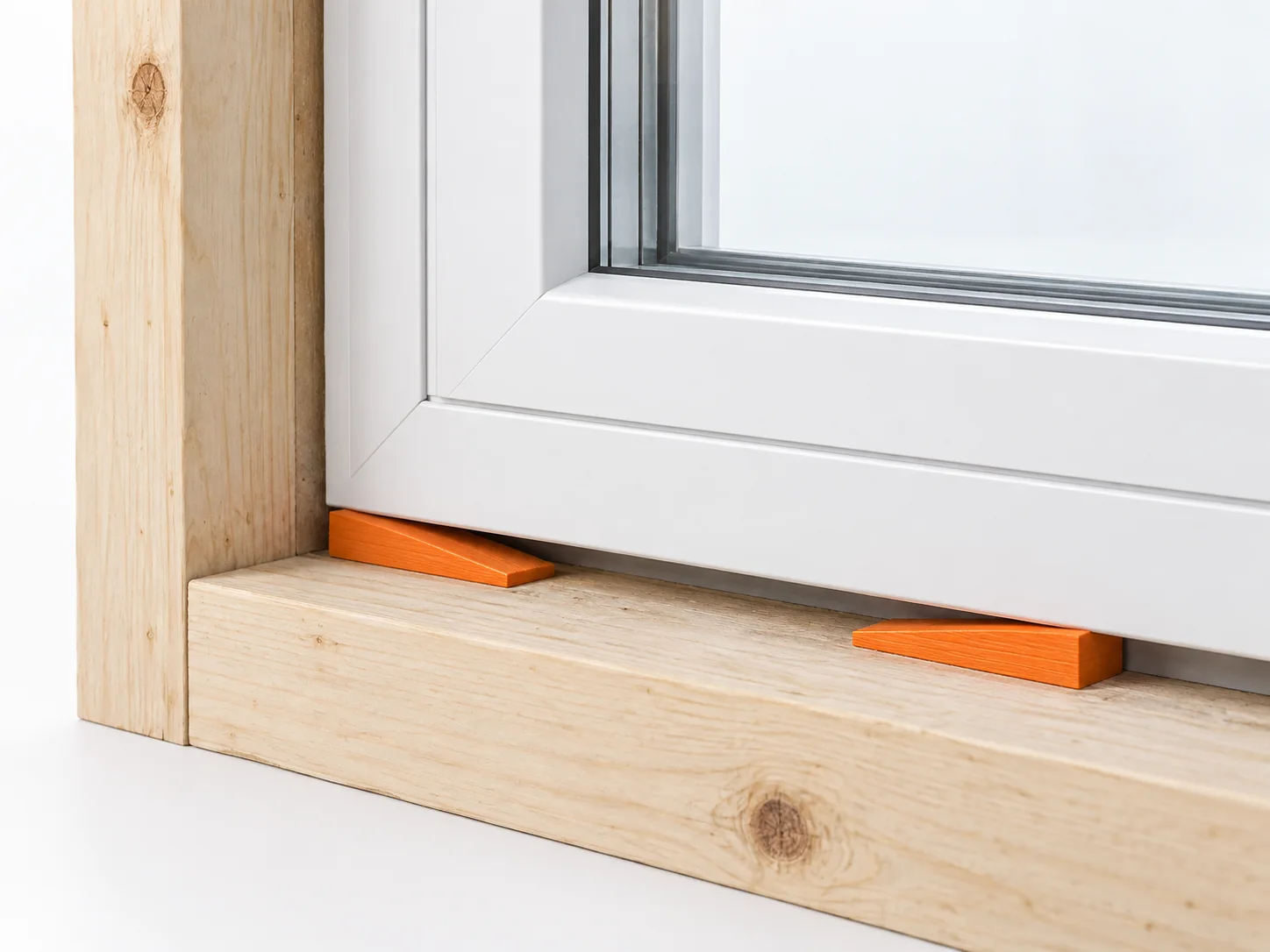
Using tapered wedges (shims) to and a window or door within the before securing it with fasteners.
Sidelight

A narrow, fixed or operable glass panel flanking one or both sides of an , adding light and visual interest to the entryway.
Siding Washing
Cleaning cladding using methods and products approved by its manufacturer. Gentle rinsing and a soft brush may be appropriate, depending on the finish. Do not assume pressure washing is permitted: it can damage some surfaces or force water behind the siding. Follow product-specific guidance for stains and mildew.
Sill
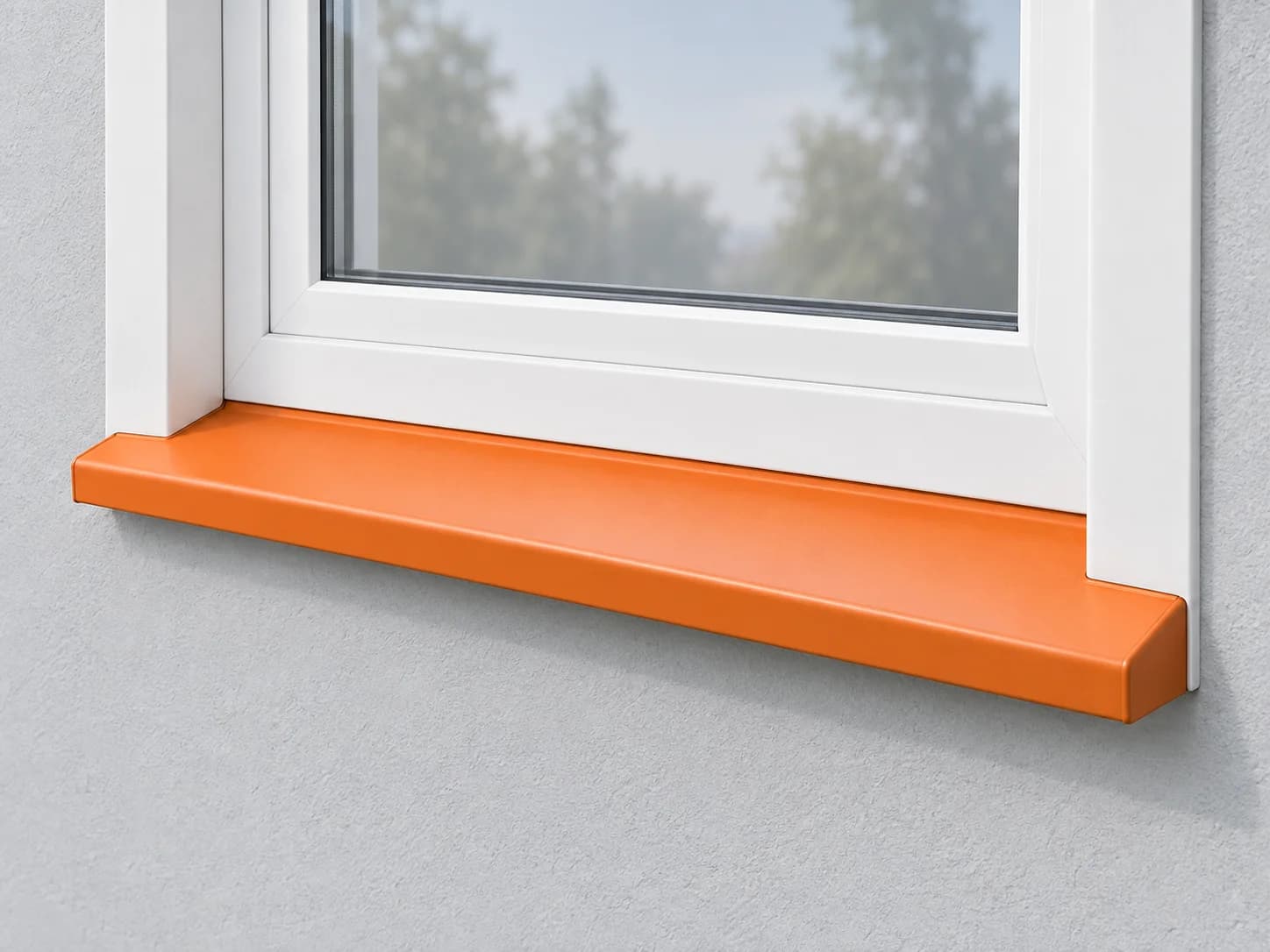
The horizontal bottom piece of a window , designed to shed water away from the wall below.
Sill Pan
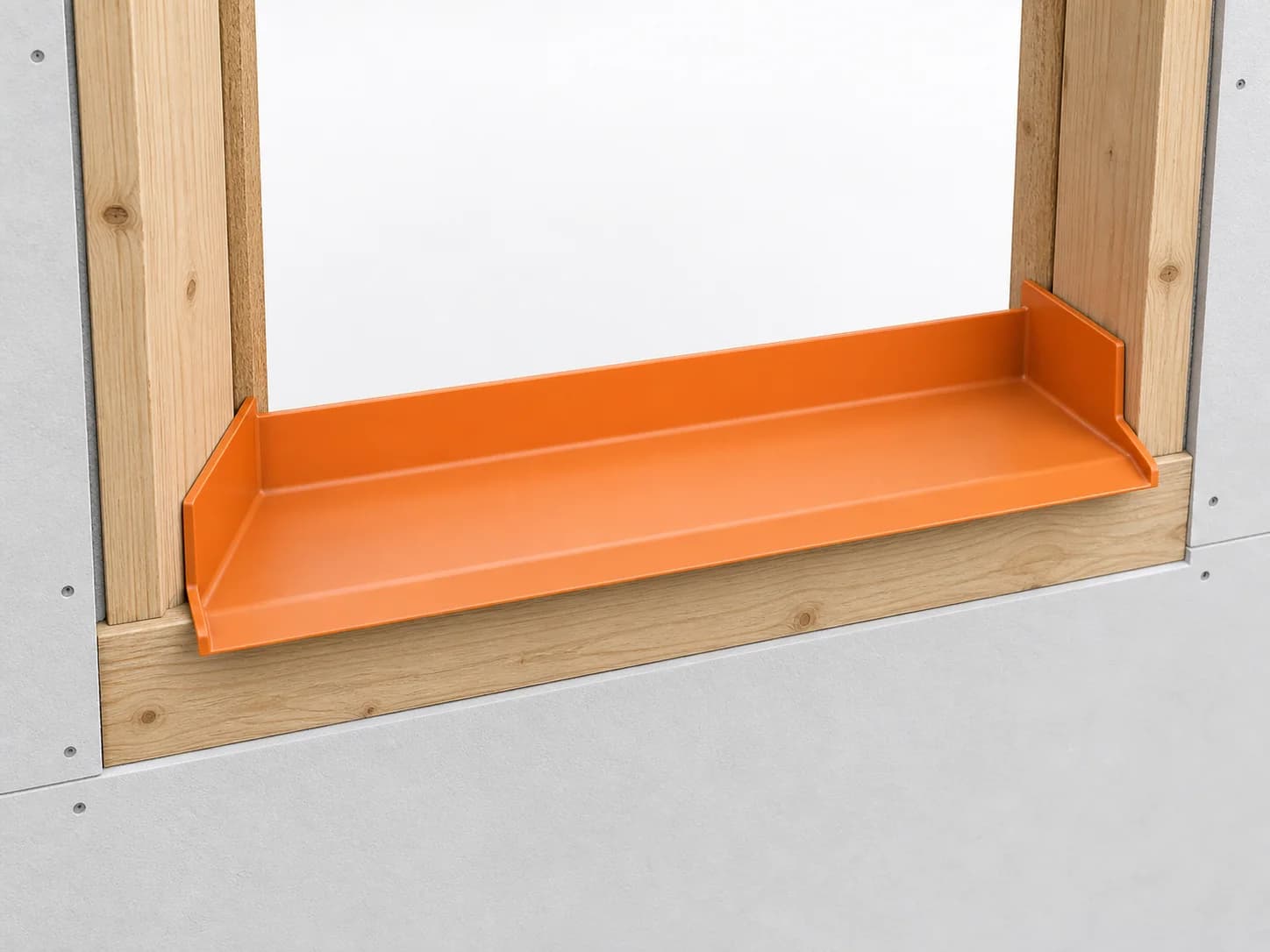
A waterproof tray installed at the bottom of a window or door to catch and drain any water that penetrates past the unit.
Single-Hung Window
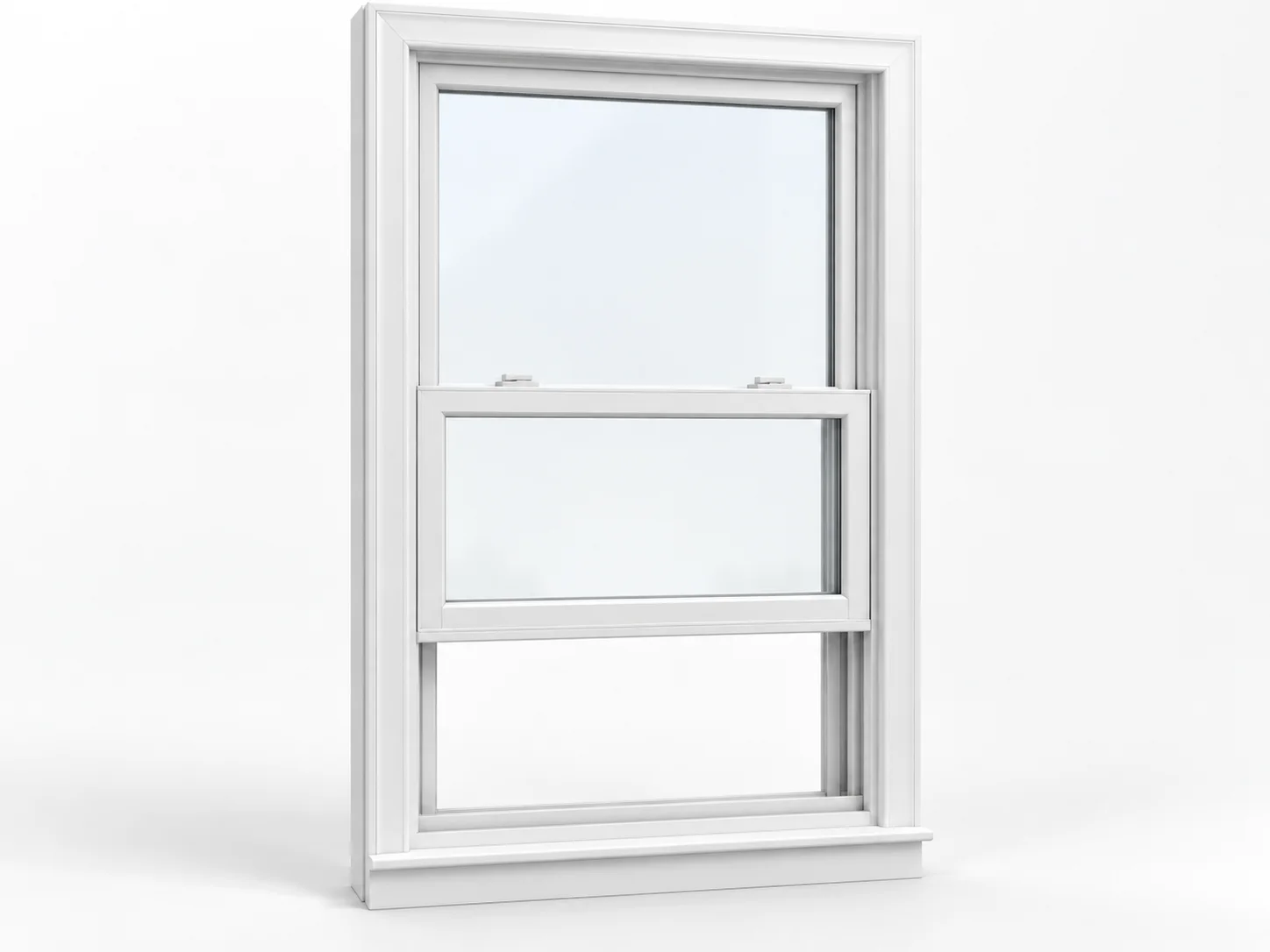
A window with two sashes where only the bottom slides upward while the top sash remains fixed in place.
Single-Pane Glass
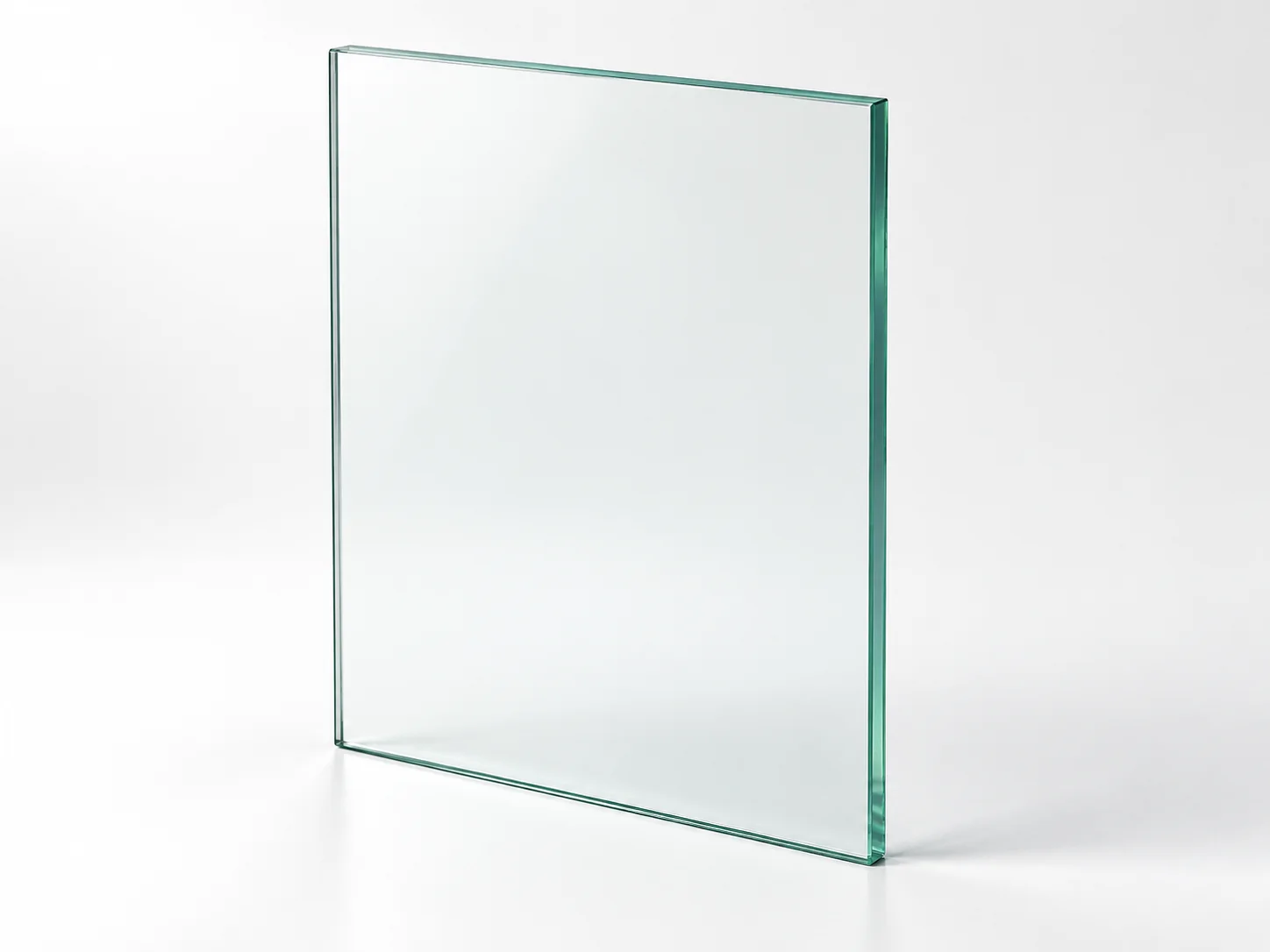
A window with one layer of glass. Offers minimal insulation and is largely replaced by double- or triple-pane units in modern construction.
Skylight
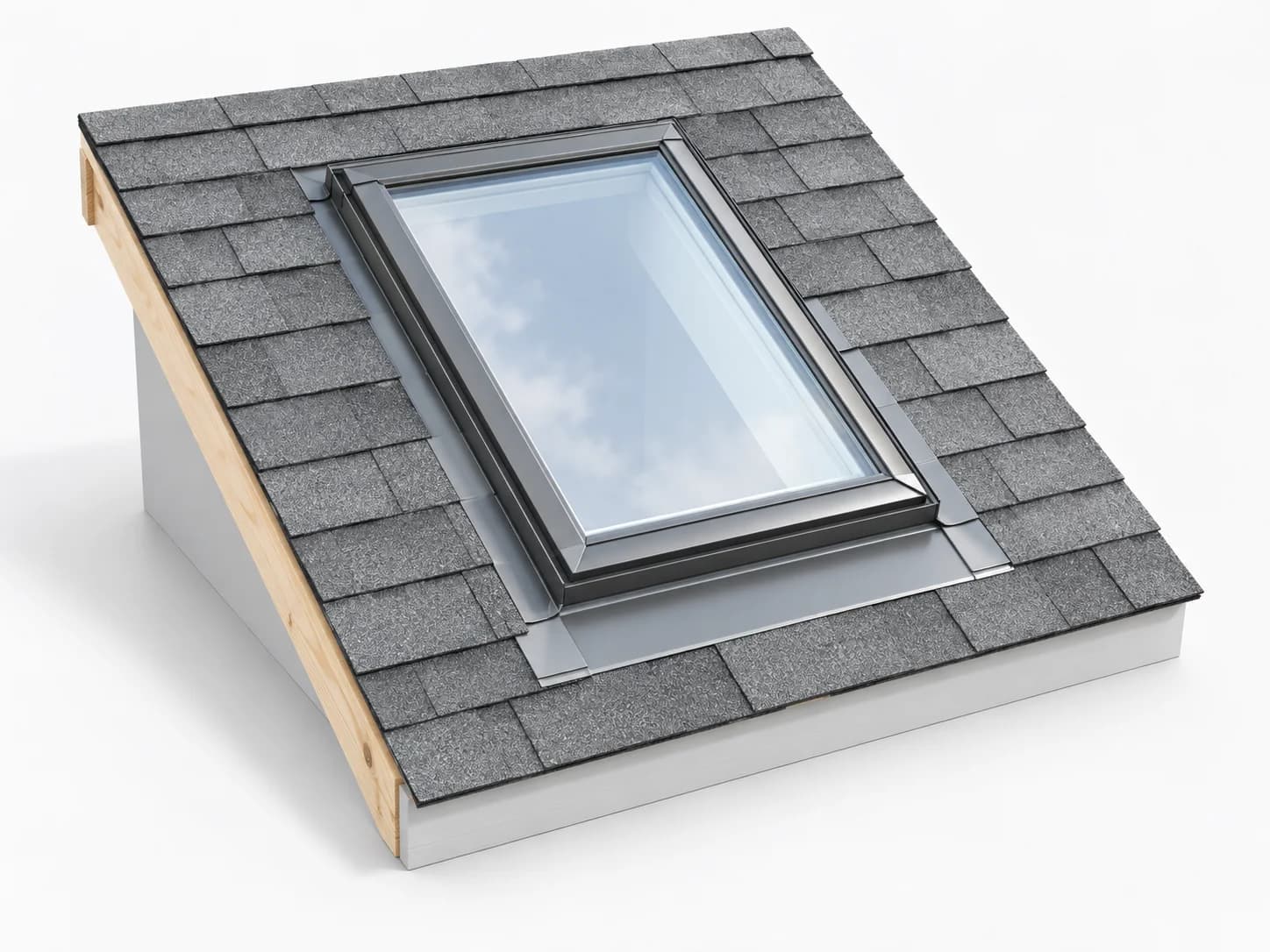
A window installed in the roof or ceiling to bring natural light into interior spaces. Can be fixed or operable.
Sliding Patio Door
A door with one or more panels that glide horizontally on a track, popular for patios and decks because they don't require swing clearance.
Sliding Window
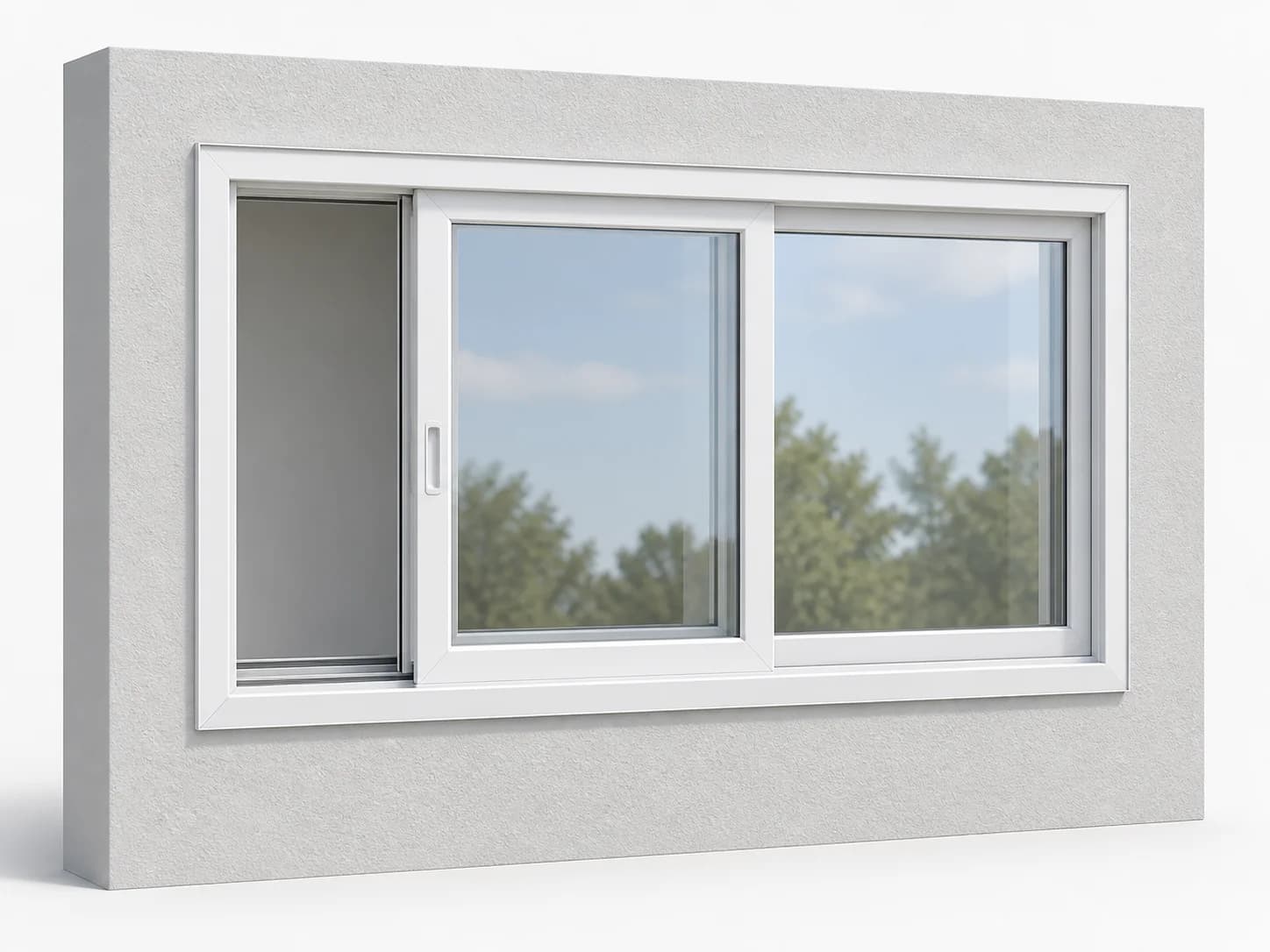
A window with one or more sashes that slide horizontally along a track. Common in modern homes for wide openings.
Soffit
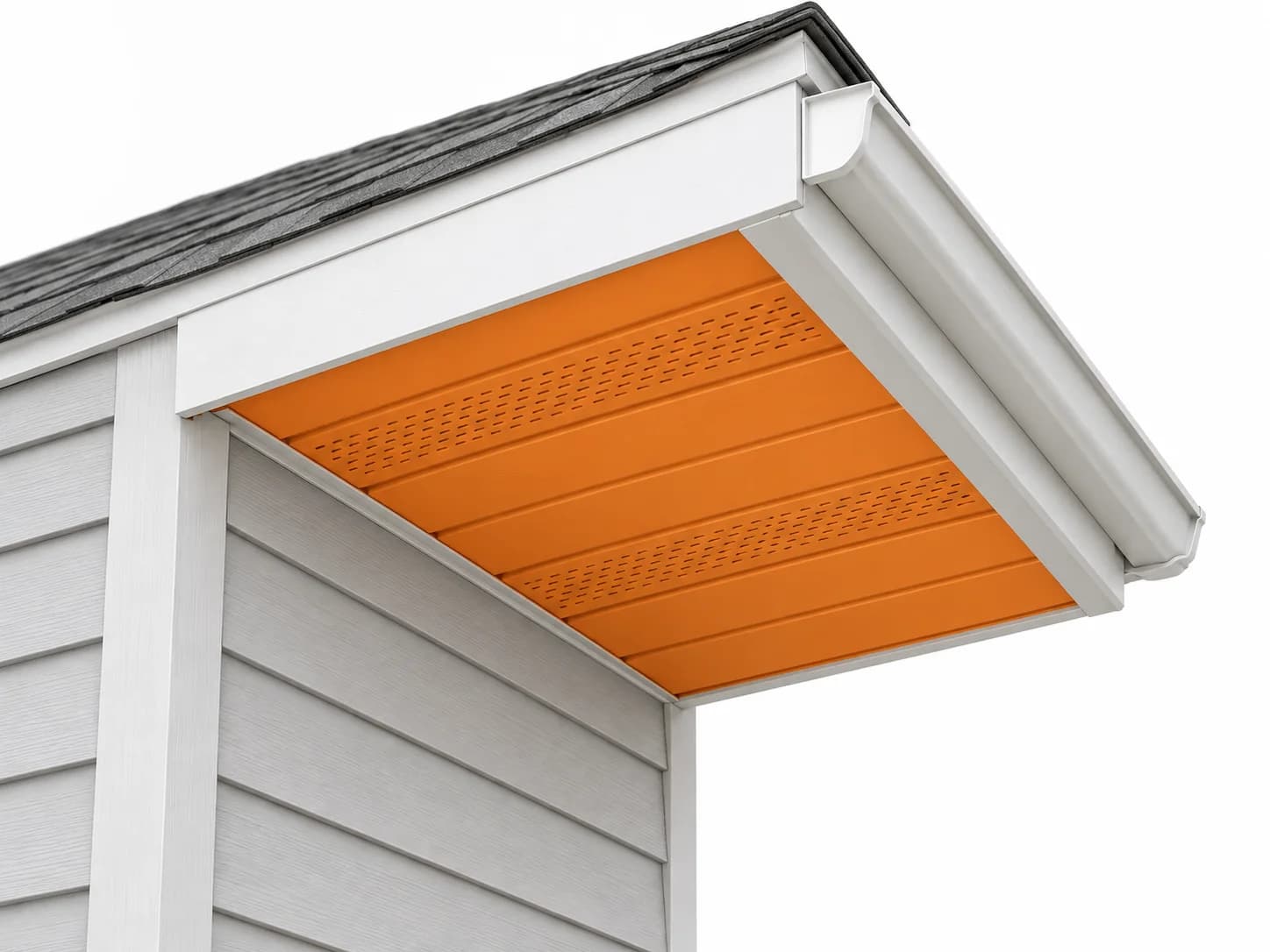
The finished underside of a roof overhang or eave. Soffit panels may be solid or vented; vented sections can provide intake air for a ventilated attic when the assembly has a clear airflow path. is the outward-facing edge above, not the underside.
Solar Heat Gain Coefficient (SHGC)
The fraction of solar radiation admitted through a window, expressed as a number between 0 and 1. Lower SHGC reduces cooling costs; higher SHGC is better for passive solar heating.
Sound Transmission Class (STC)
A rating that measures how well a window reduces sound transmission. Higher STC ratings indicate better noise reduction.
Spray Foam Insulation
Liquid polyurethane that expands into a solid foam when applied, filling gaps and cracks around windows, doors, and wall cavities for an airtight seal.
Square
When a window or door has 90° corners. Checked by comparing diagonal measurements — if both diagonals are equal, the frame is square.
Starter Strip
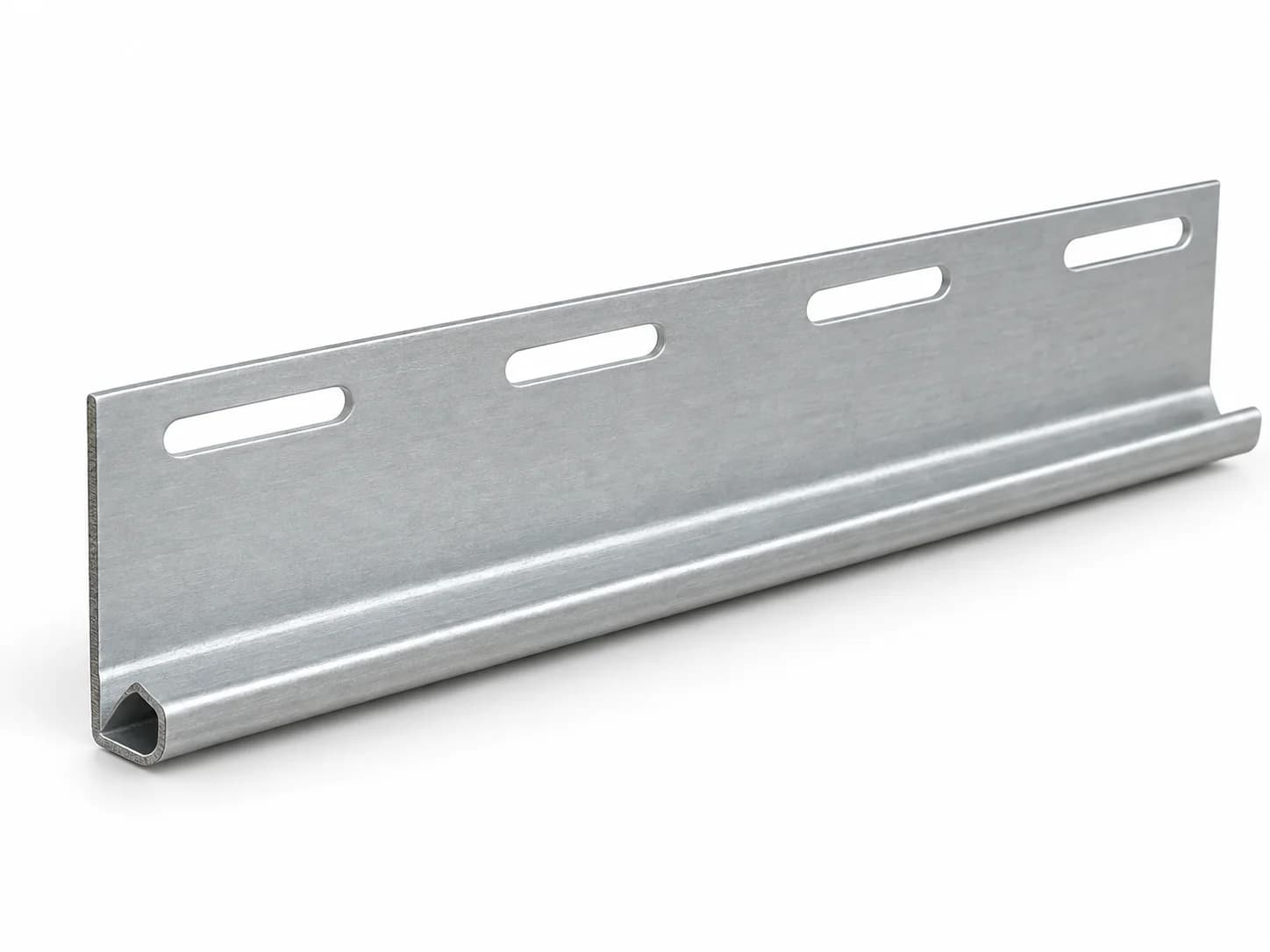
A narrow piece of trim installed at the bottom of the wall to lock the first course of siding panels into place and establish the correct angle.
Steel (Door)
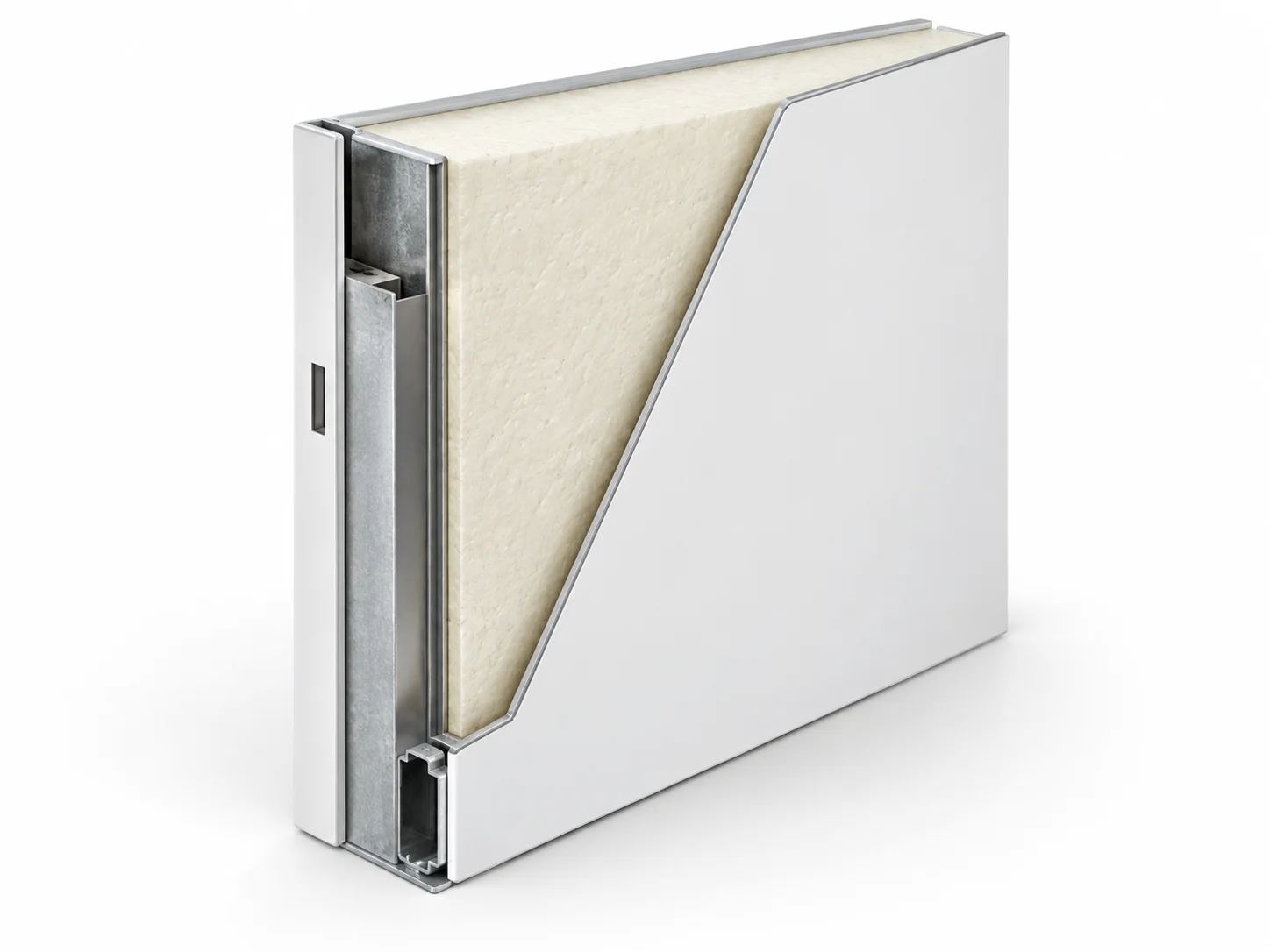
Cold-rolled or galvanized steel used for skins. Offers excellent security and durability; foam-filled steel doors provide strong insulation values.
Steel Siding
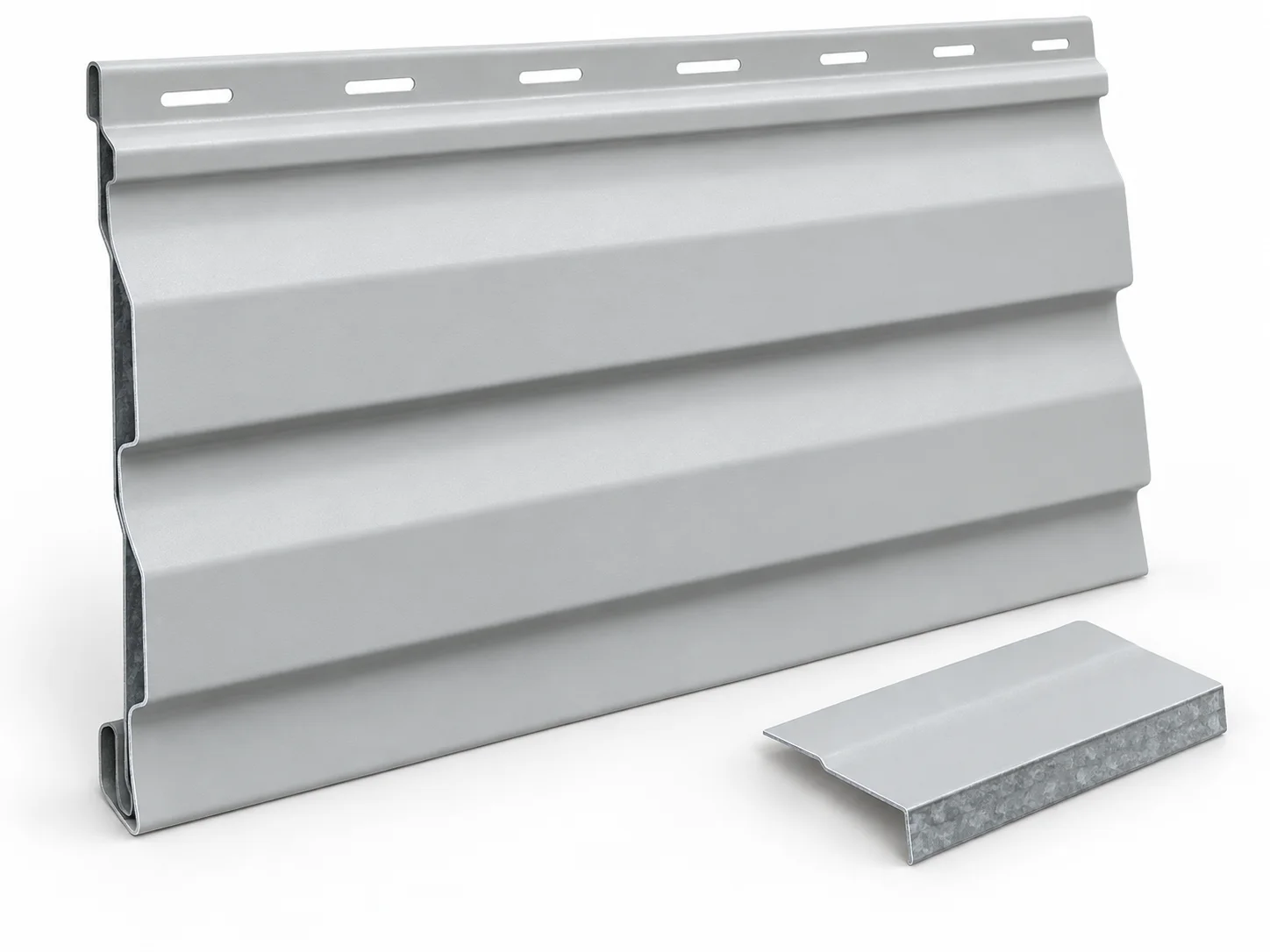
Metal cladding made from galvanized or coated steel panels. Extremely durable and resistant to impact, fire, and insects. Heavier than .
Stile
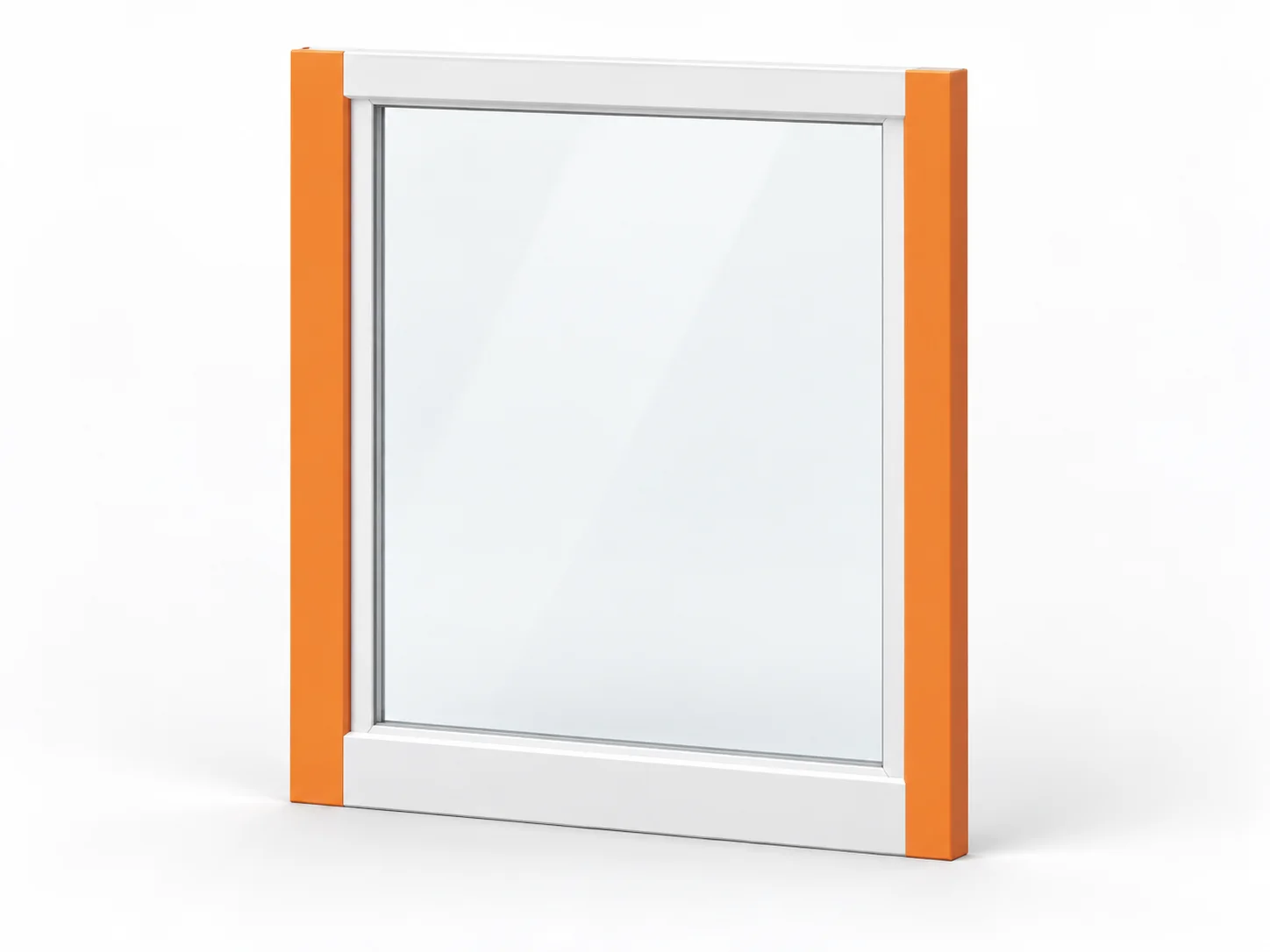
A vertical member of a window or framed . Stiles connect the horizontal rails and may carry , a lock or other hardware, depending on the design.
Storm Door
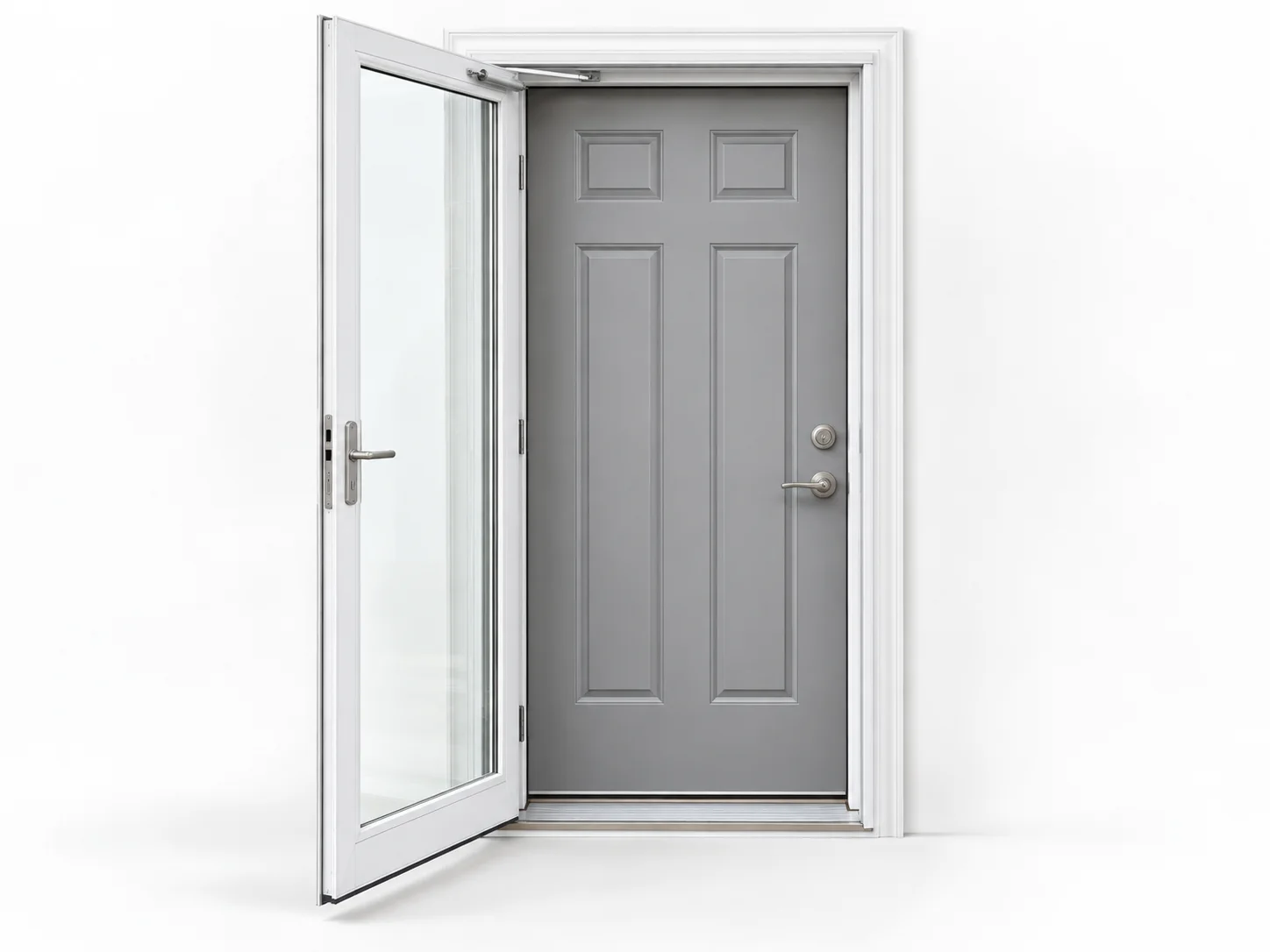
A secondary exterior door installed in front of the main to provide additional insulation, ventilation, and protection from the elements.
Strike Plate
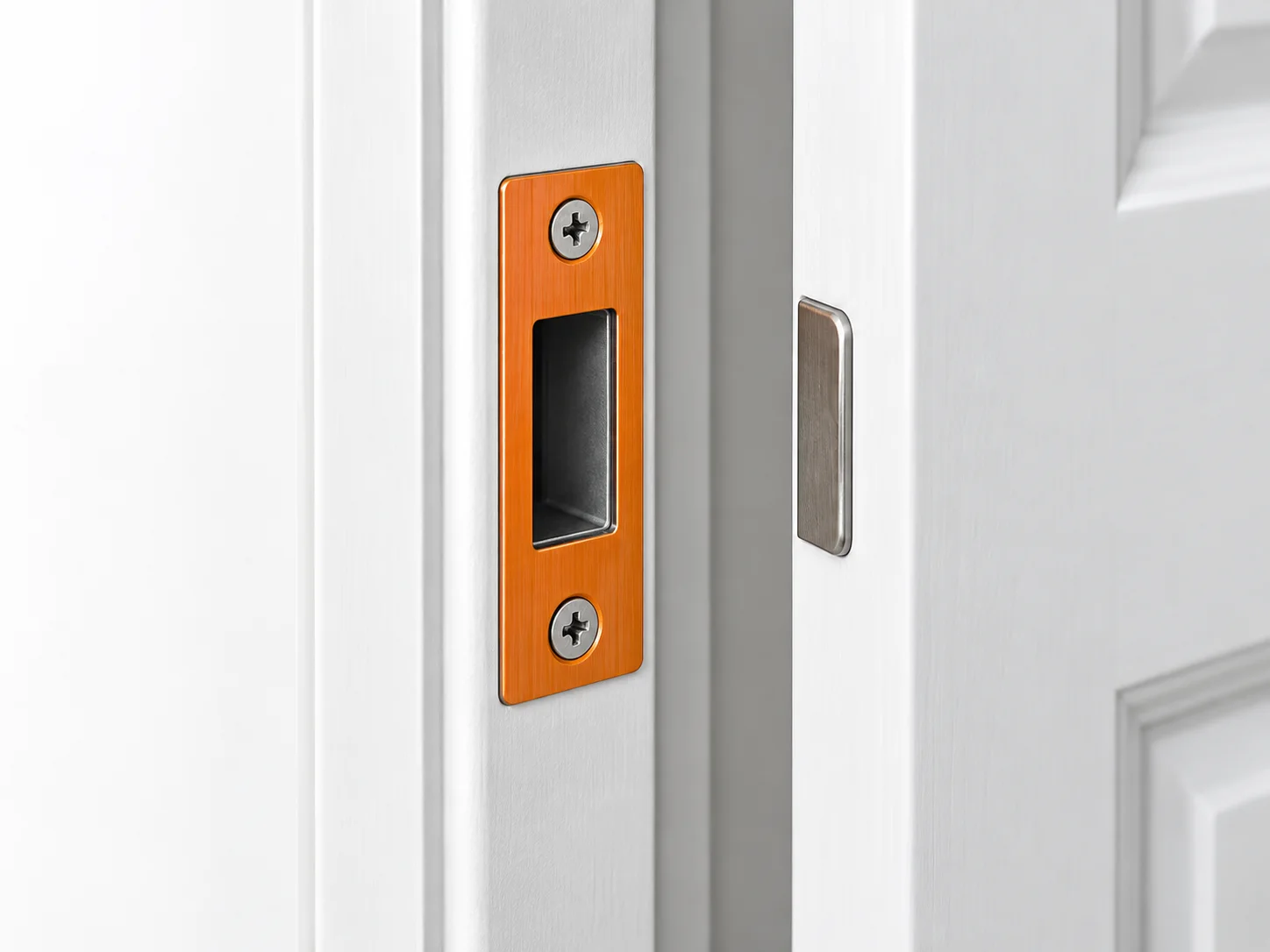
The metal plate at a door that receives the latch or when the door closes. Its alignment, fastening and compatibility with the lock affect operation. It is separate from the latch mechanism installed in the .
T
Tempered Glass
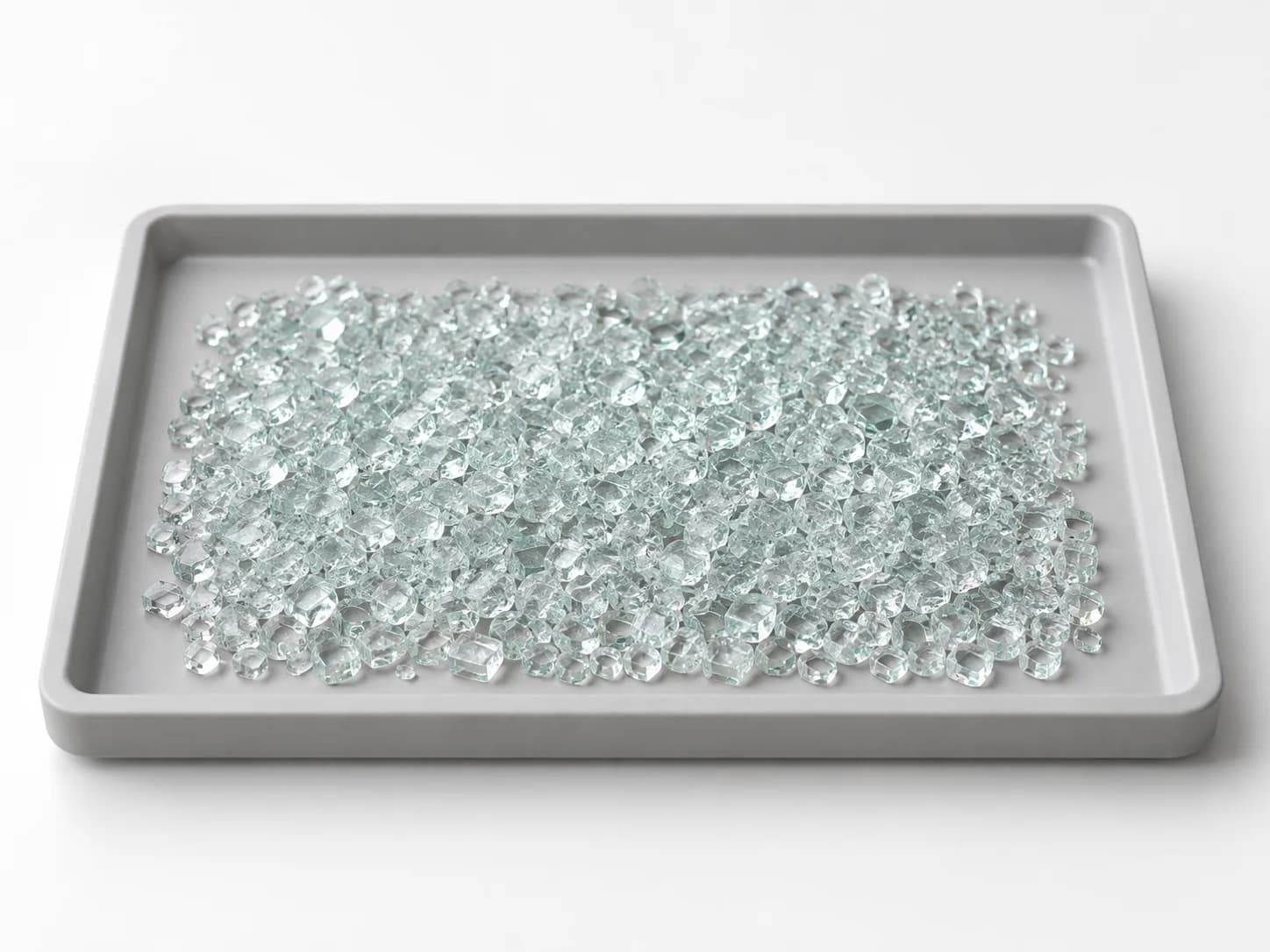
Safety glass that has been heat-treated to be four to five times stronger than regular glass. When broken, it shatters into small, blunt pieces instead of sharp shards.
Thermal Break
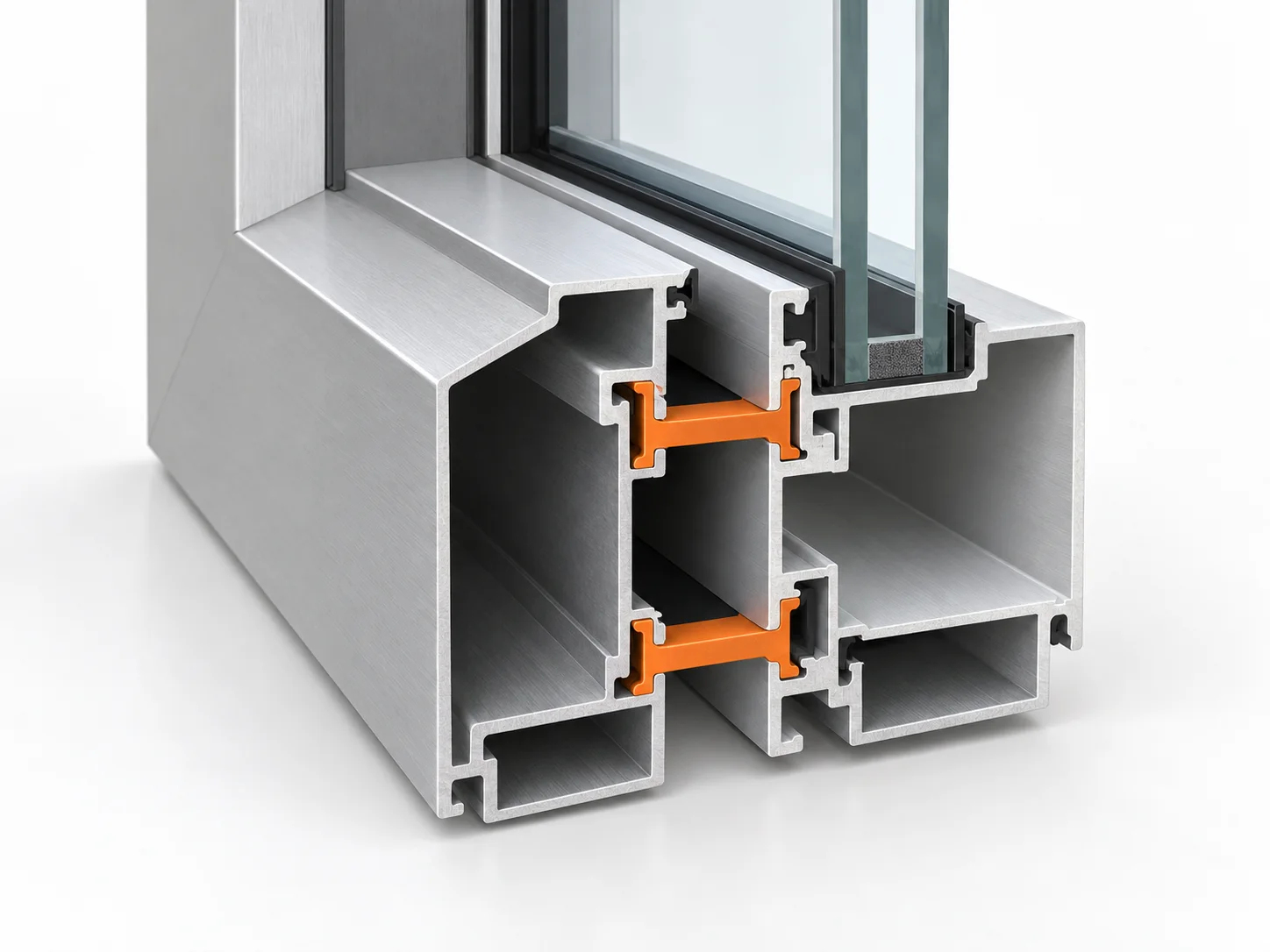
A material of low thermal conductivity inserted between two conductive materials (e.g., inside an window ) to reduce heat transfer.
Thermal Bridging
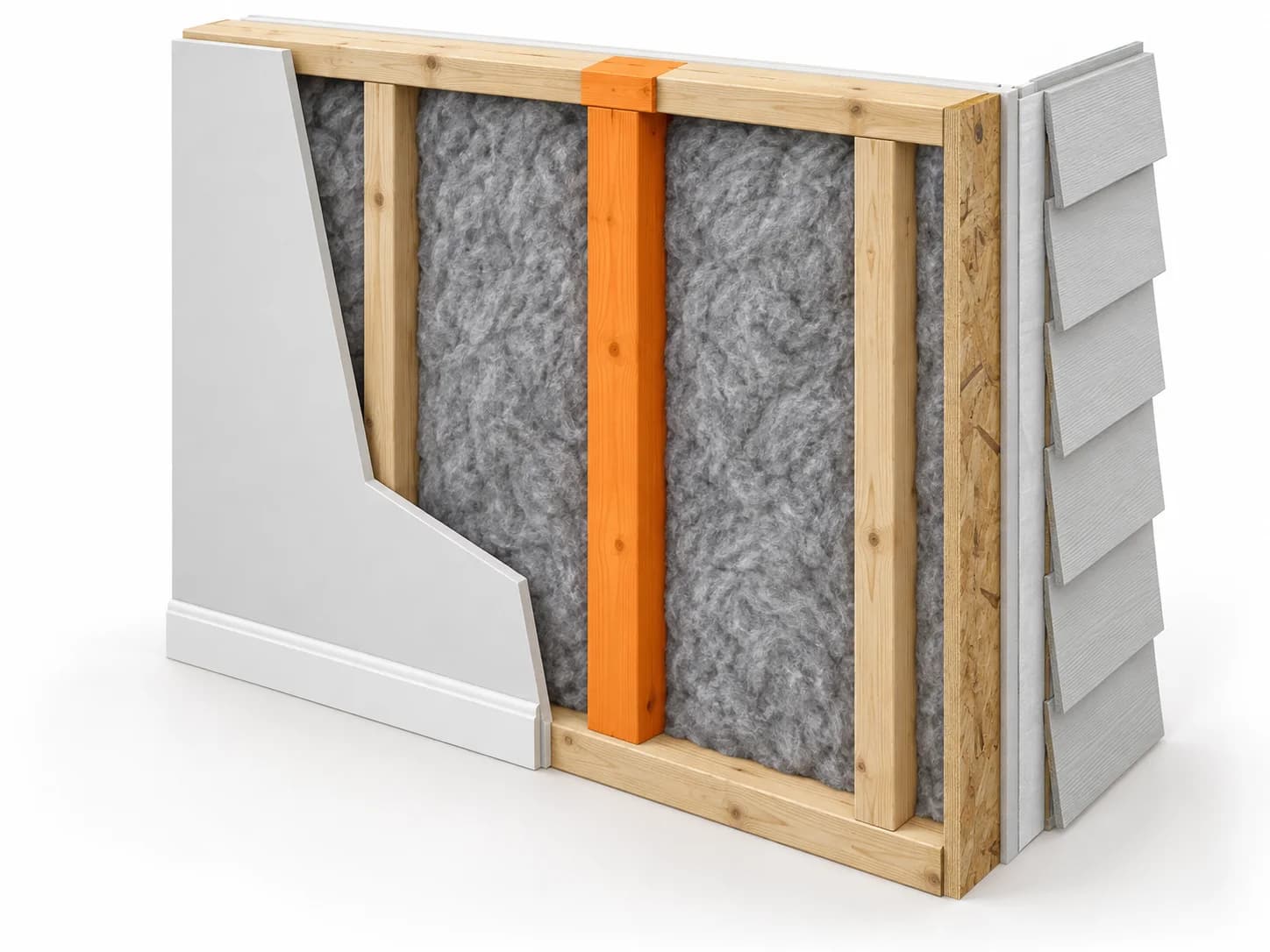
Heat transfer through a more conductive material (like a wood stud or metal ) that bypasses the surrounding insulation, creating a weak spot in the .
Threshold
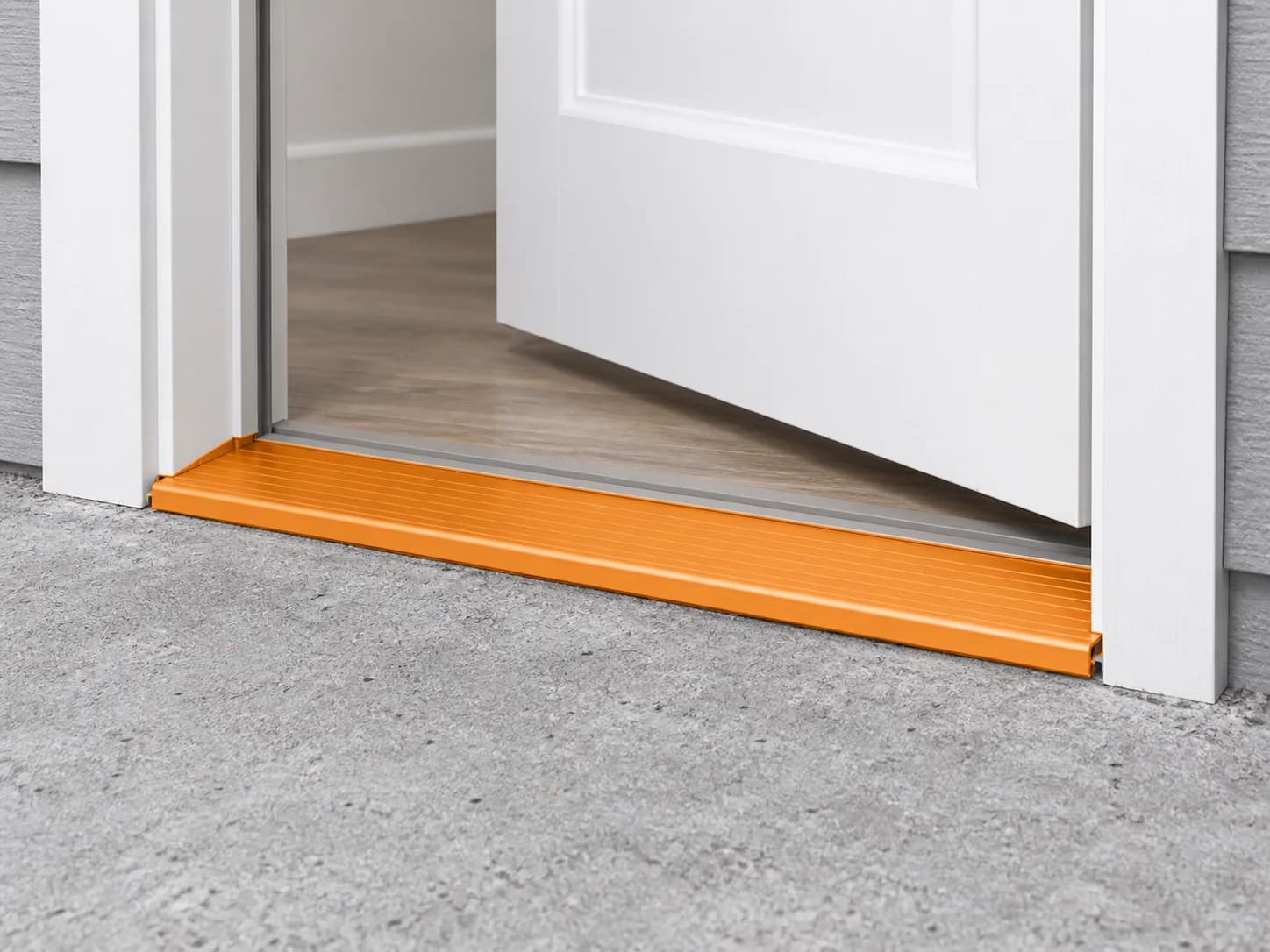
The bottom component of a door that bridges the gap between the interior floor and the exterior surface, providing a seal against air, water, and pests.
Tilt Latch
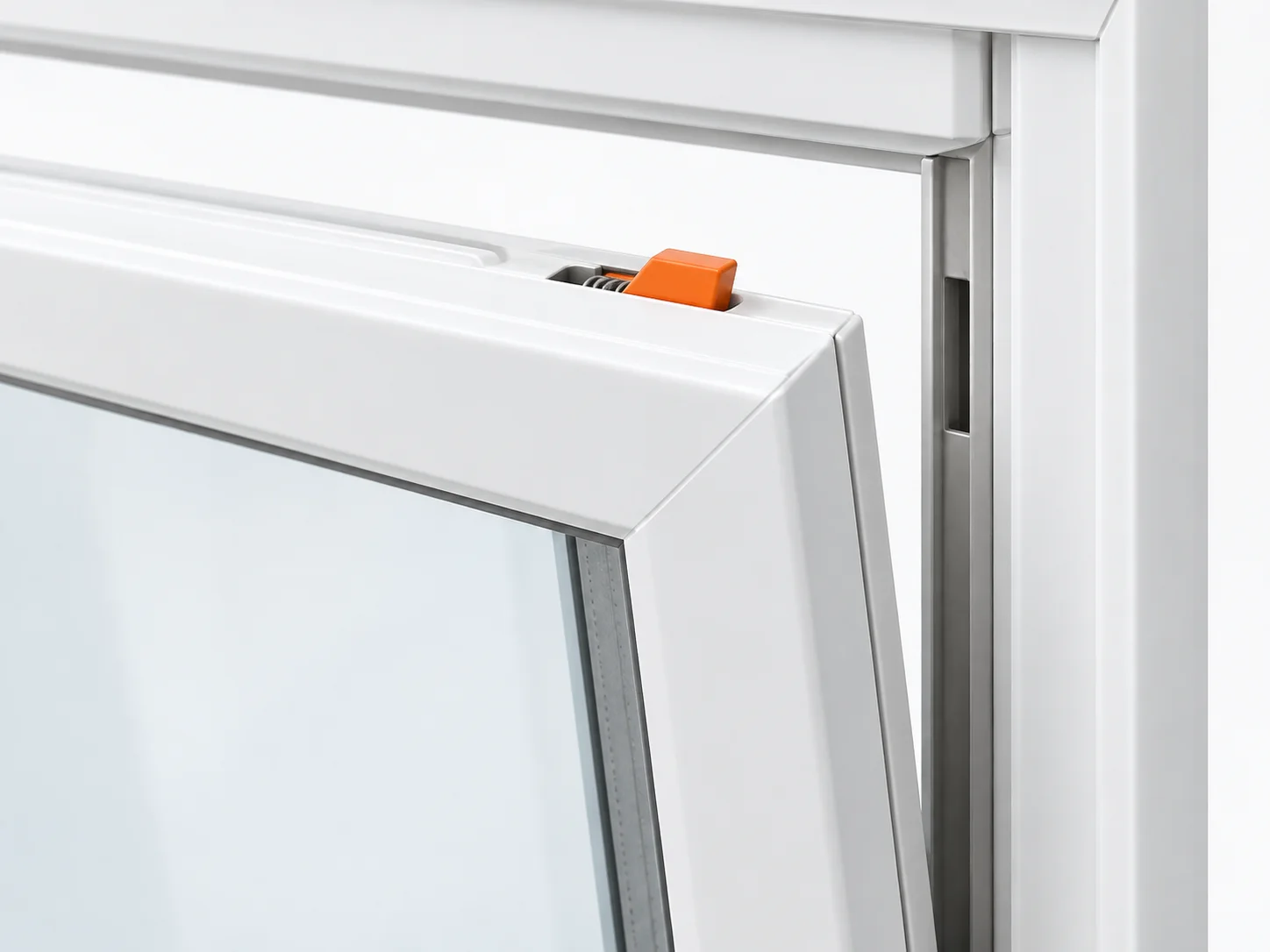
A spring-loaded mechanism on double-hung windows that releases the from the , allowing it to tilt inward for easy cleaning of the exterior glass surface.
Tilt-and-Turn Window
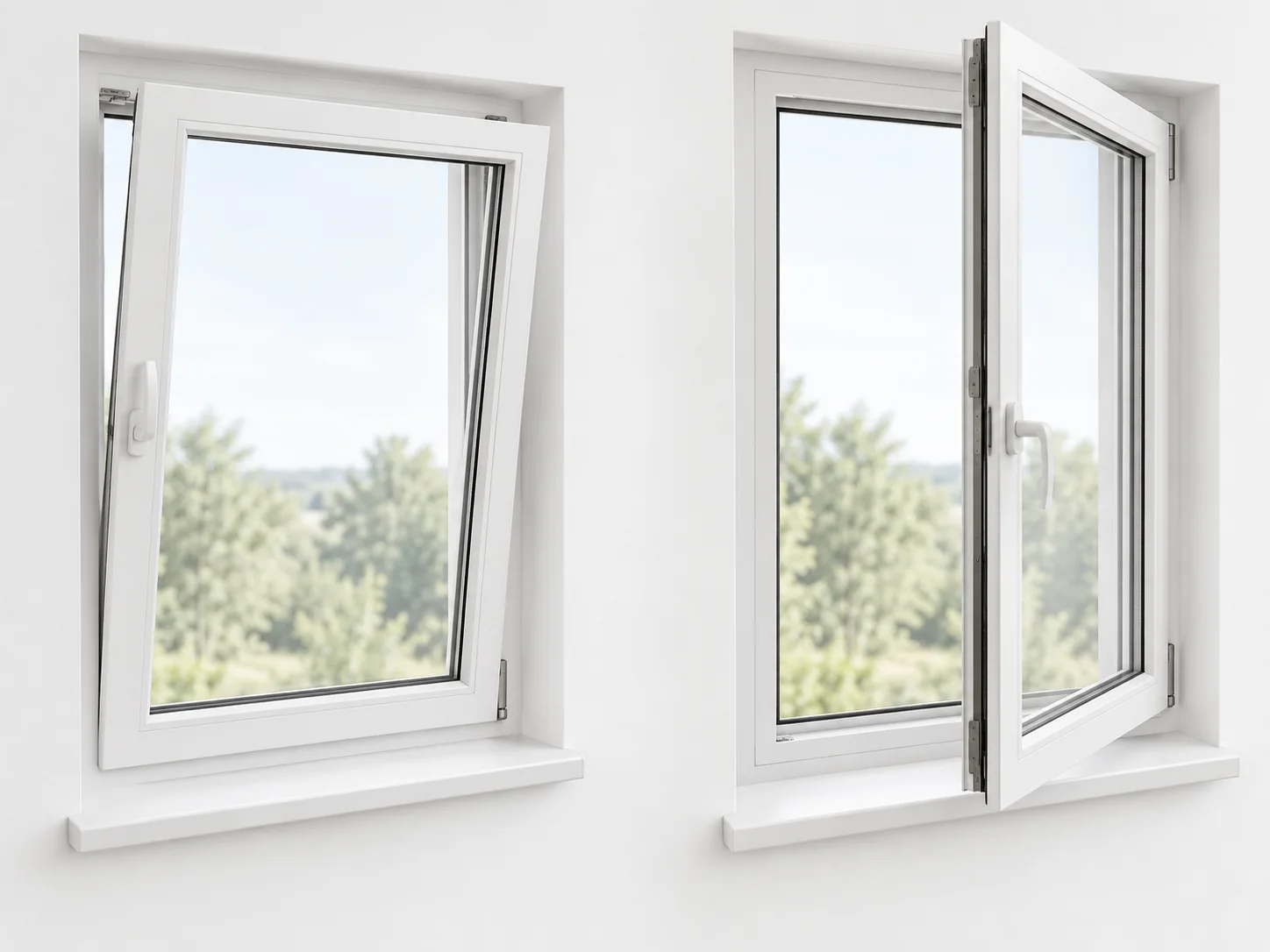
A European-style window that can tilt inward at the top for ventilation or swing fully inward like a door for easy cleaning.
Tinted Glass

Glass with color added during manufacturing to reduce solar heat gain and glare. Common tints include bronze, gray, and green.
Transom (Door)
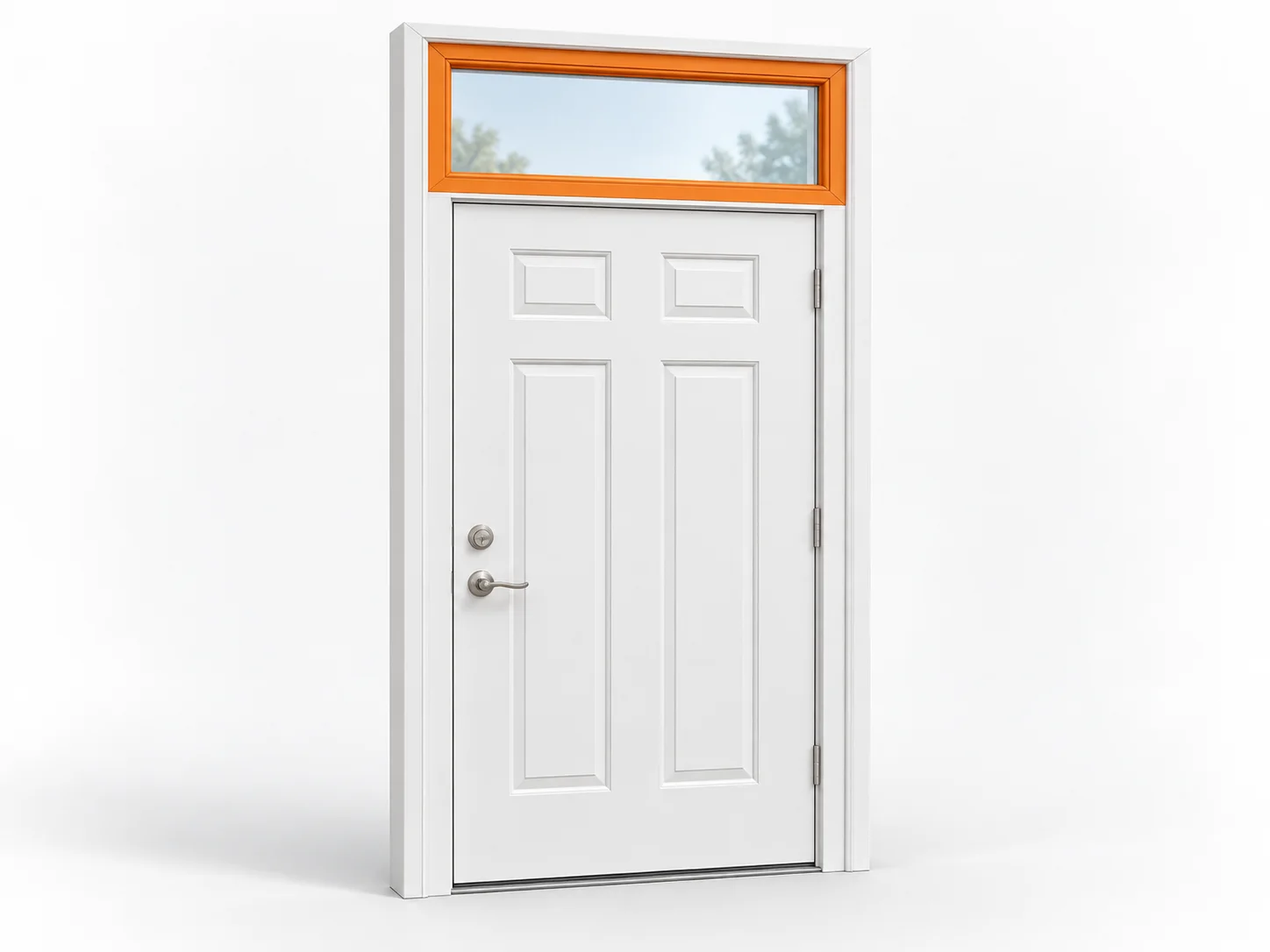
A installed above a doorway to bring light into the entry. It may be fixed or operable and is separate from a within the slab or a beside it.
Transom Window
A window above a door or another window, admitting additional daylight and sometimes ventilation. A is the same type of feature specifically above a doorway.
Triple-Pane Glass
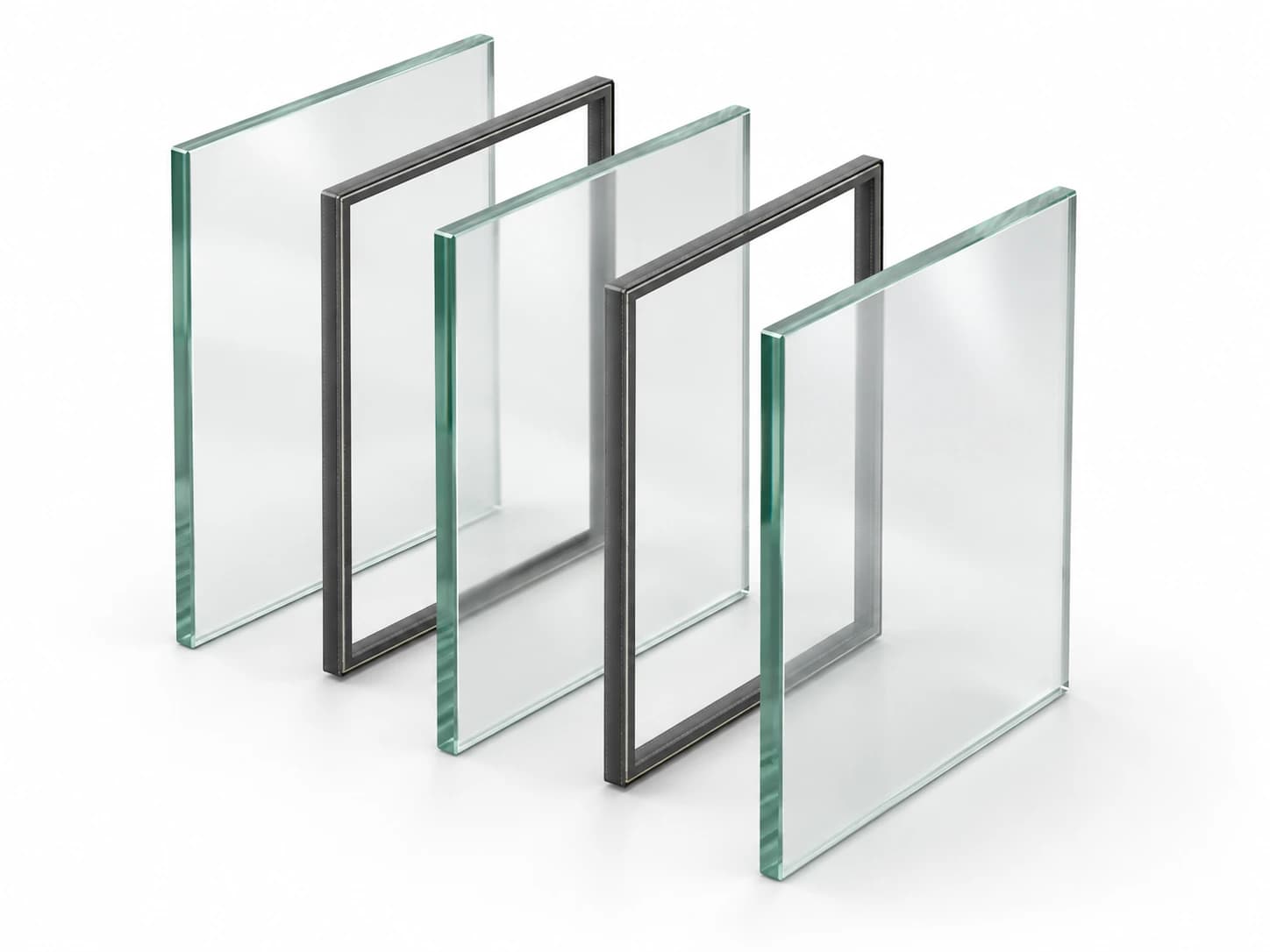
An with three panes and two sealed air- or gas-filled cavities. Thermal performance depends on the coatings, spacers, gas fill and complete window assembly. Three panes alone do not guarantee better sound isolation; compare tested acoustic ratings.
U
U-Factor
A measure of how well a window prevents heat from escaping. Lower U-factor values indicate better insulating performance. Measured in W/m²·K or BTU/hr·ft²·°F.
Unit Size
The overall exterior dimensions of a window or door, including the . This is the measurement manufacturers use for ordering.
Utility Trim
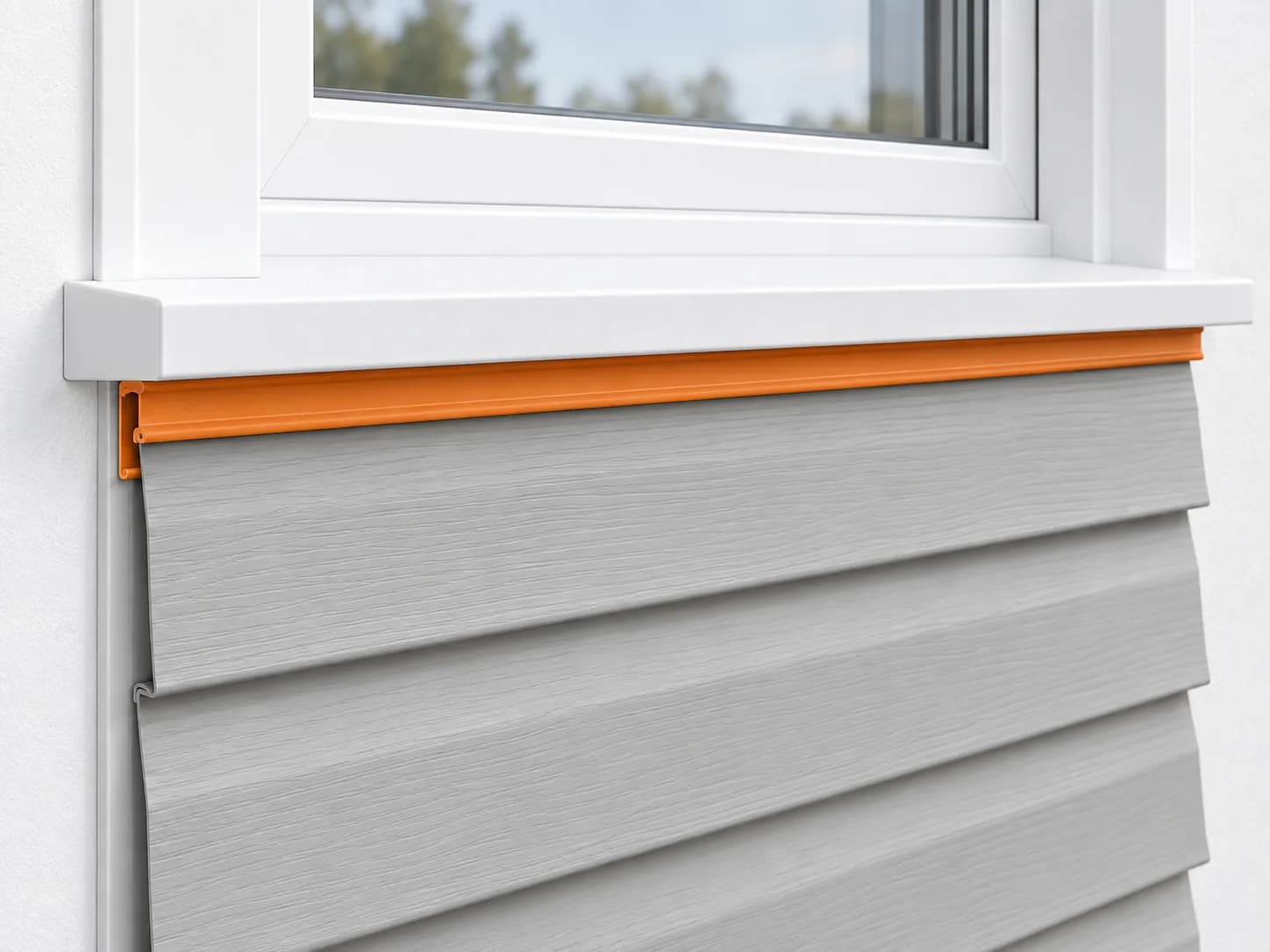
Also called undersill trim, a channel that locks the cut top edge of the last siding panel under a windowsill, eave, or other horizontal surface.
V
Vapour Barrier
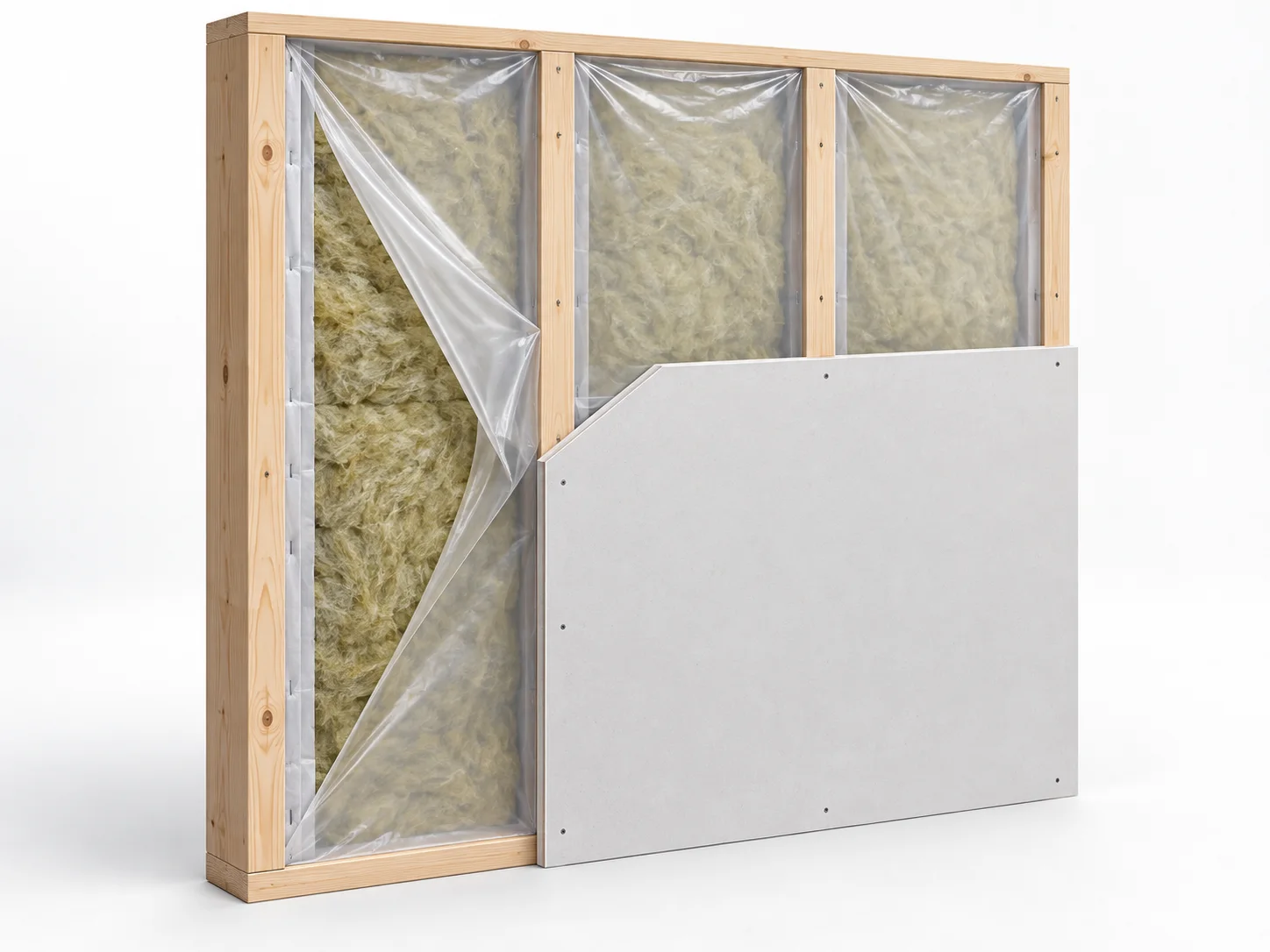
A low-permeance material that limits water vapour diffusion through a building assembly. This differs from an , which controls airflow, although one material may perform both roles when properly detailed. The appropriate material and location depend on the wall or roof assembly and climate.
Vertical Siding
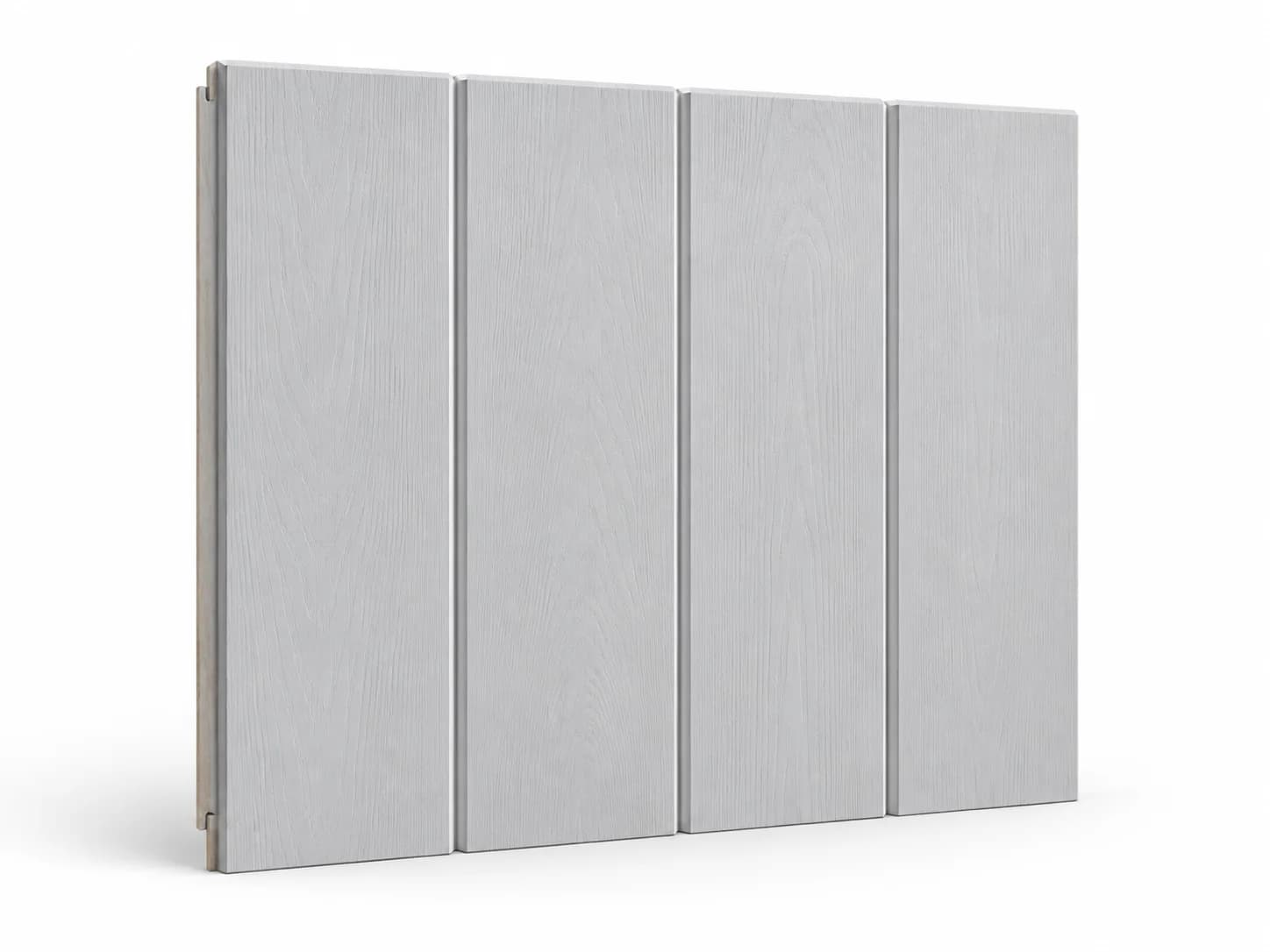
Siding panels or boards installed vertically rather than horizontally, providing a modern or farmhouse aesthetic depending on the profile used.
Vinyl (PVC)
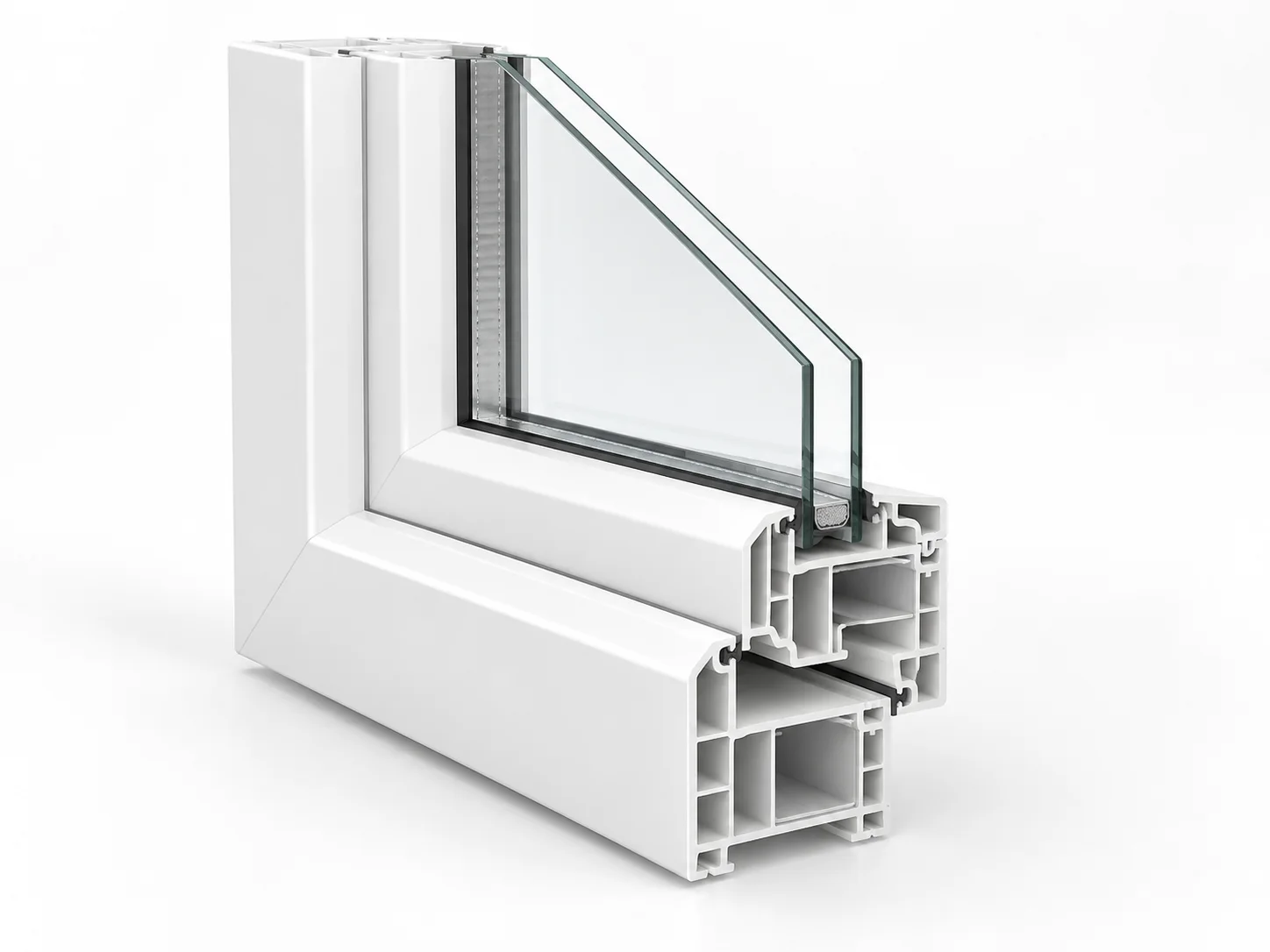
Polyvinyl chloride — a durable, low-maintenance synthetic material widely used for window frames, siding, and trim. Resists moisture, rot, and insects; never needs painting.
Vinyl Siding
Lightweight, low-maintenance exterior cladding made from PVC. Available in a wide range of colors and profiles, it resists rot and insects but can crack in extreme cold.
Visible Transmittance (VT)
The fraction of visible light that passes through the glazing, rated from 0 to 1. Higher VT means more natural daylight enters the room.
W
Warm-Edge Spacer
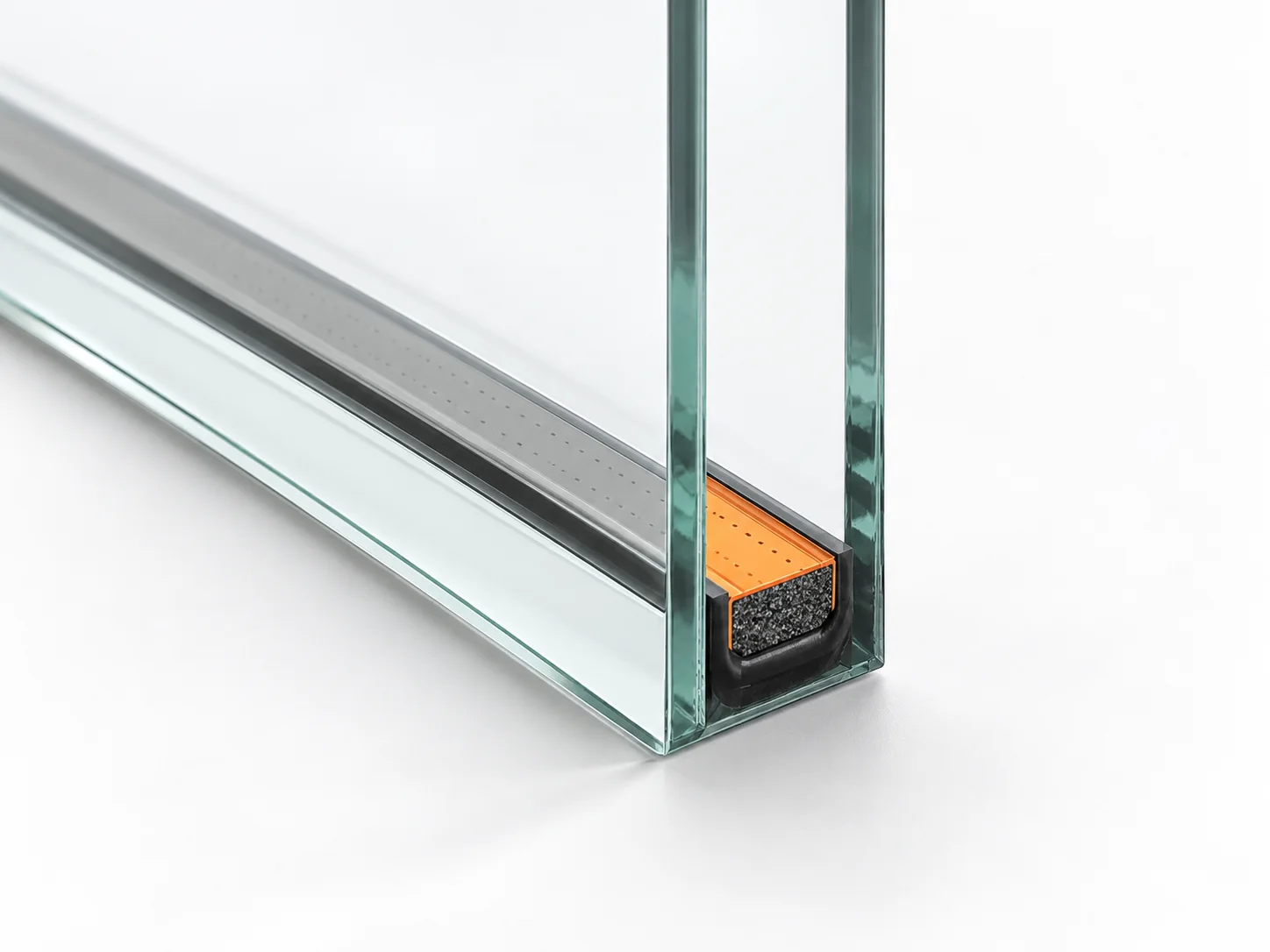
A low-conductivity spacer bar placed between glass panes in an to reduce heat transfer at the edges and minimize .
Water-Resistive Barrier (WRB)
A layer behind exterior cladding that resists liquid water passing into the wall and works with to direct water outward. is one form; other systems use membranes or treated . A WRB is not automatically an or .
Weatherstrip
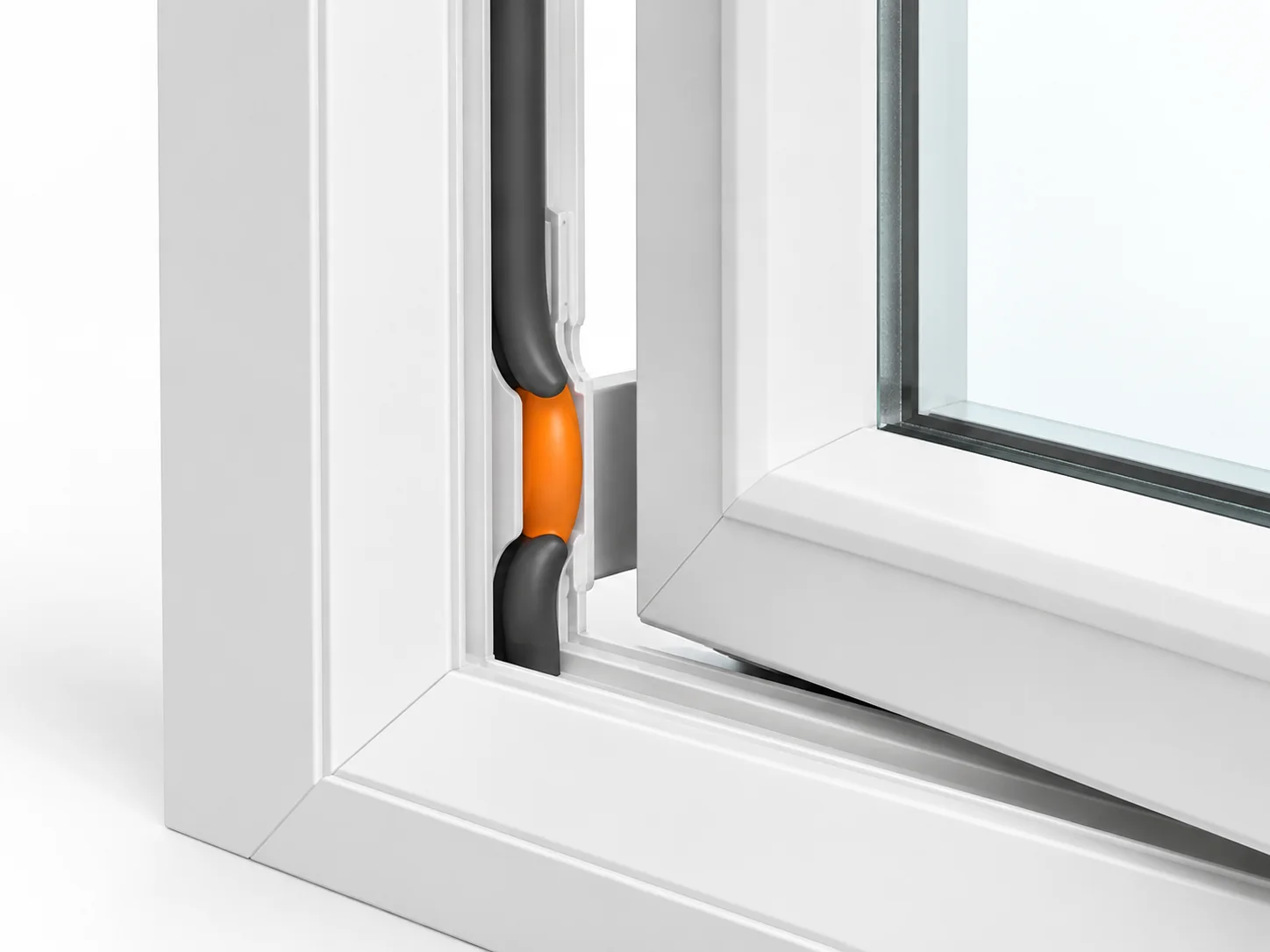
A flexible sealing strip around the operating edges of windows and doors that reduces air leakage and helps resist water entry when closed. Materials and profiles vary by product.
Weep Hole
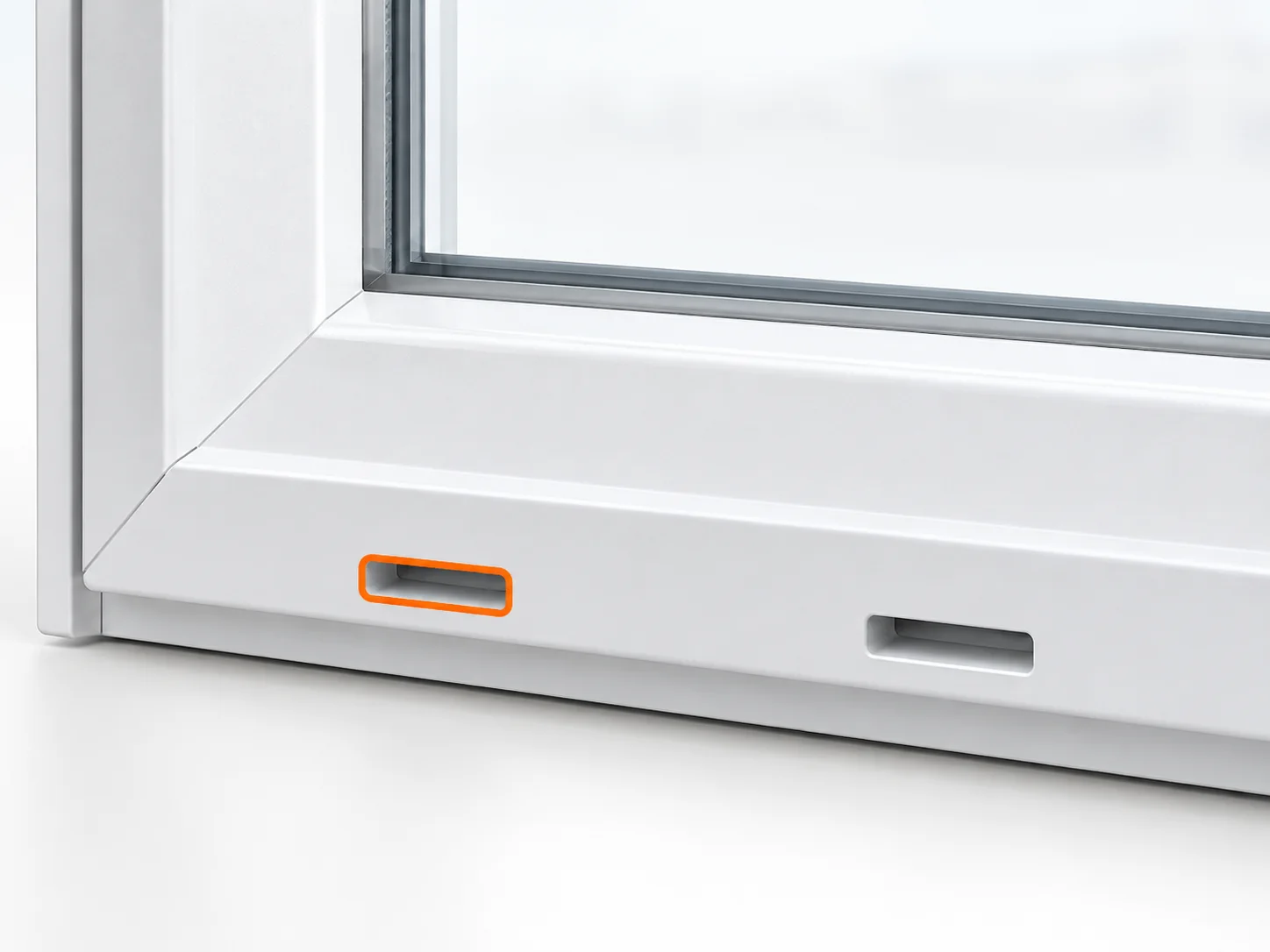
A small opening at the bottom of a window or door that allows any accumulated water within the frame to drain to the exterior.
Wind-Driven Rain
Rain propelled at an angle by high winds, increasing the chance of water penetrating siding joints, window seals, and other openings.
Window and Door Performance Requirements
The thermal, air-leakage, water-resistance and structural criteria that apply to a window or door in a particular project. Applicable code provisions, compliance paths and product ratings determine what is required. There is no single universal Ontario SHGC limit for every installation; confirm project requirements separately from certification.
Window Blinds (Built-In)
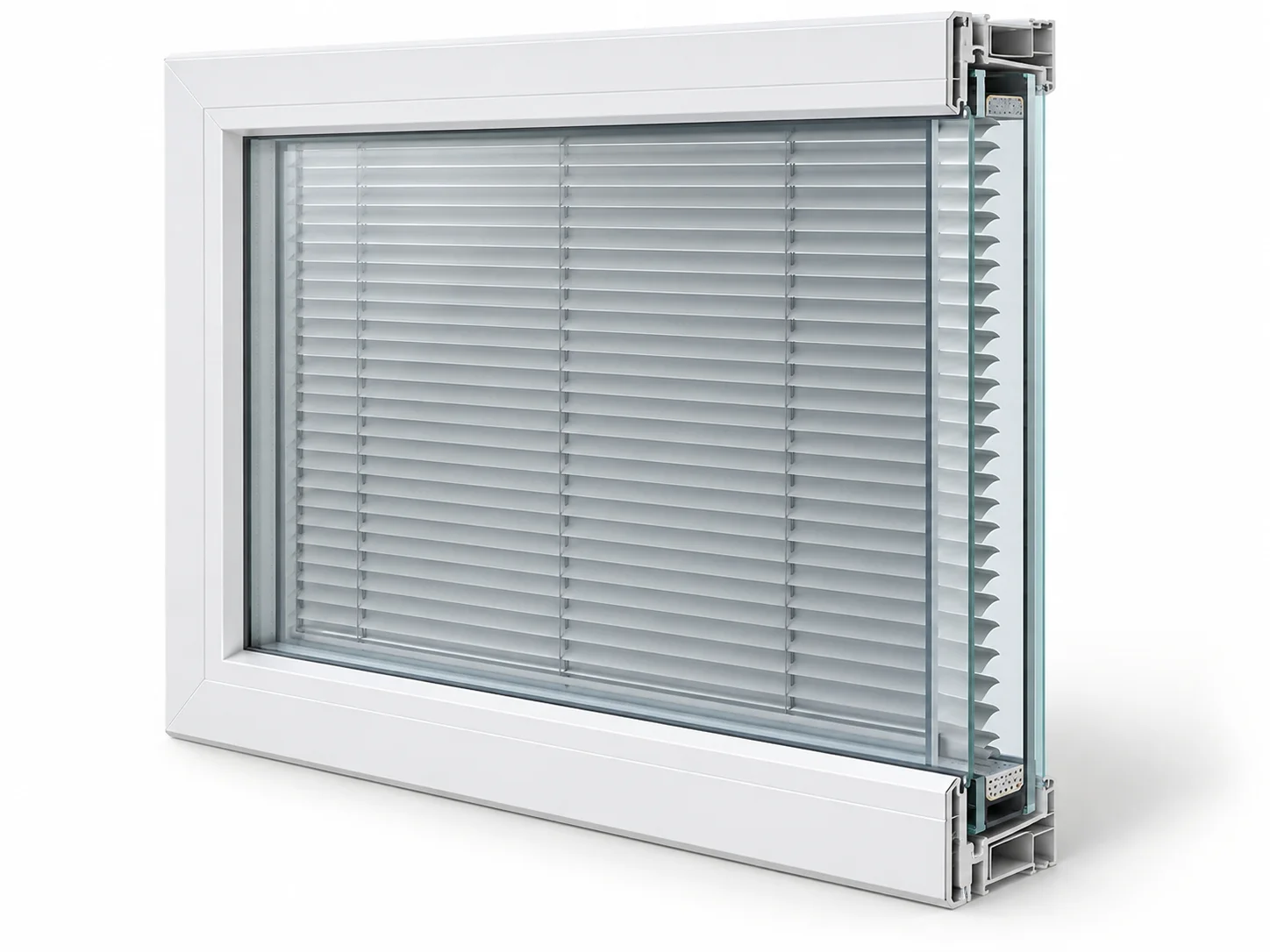
Mini blinds sealed between the panes of a double- or triple-pane window, offering tilt or raise/lower control without exposure to dust or damage.
Window Hardware
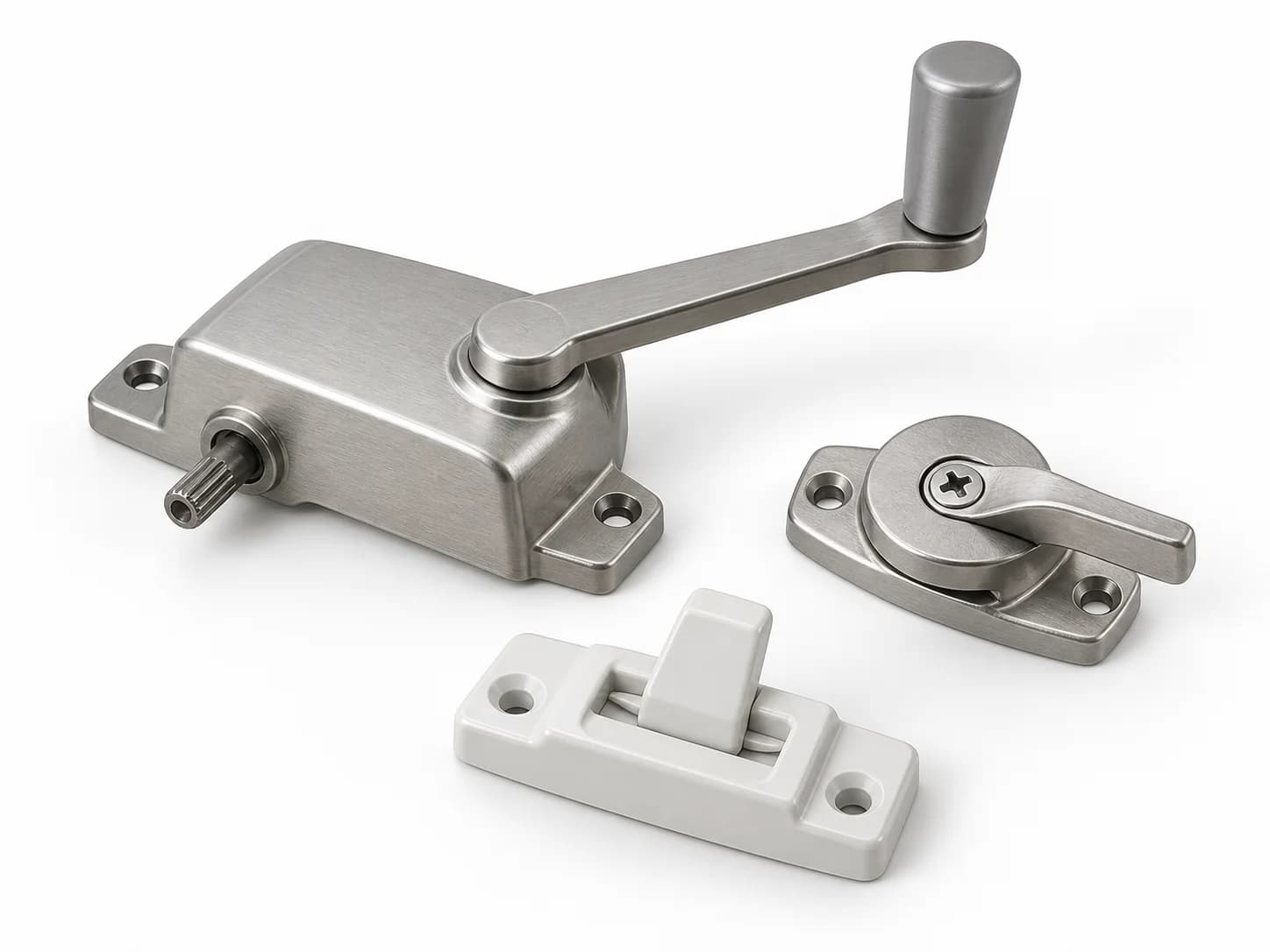
All mechanical components that allow a window to operate, lock, and tilt, including locks, handles, crank operators, , and tilt latches.
Window Well
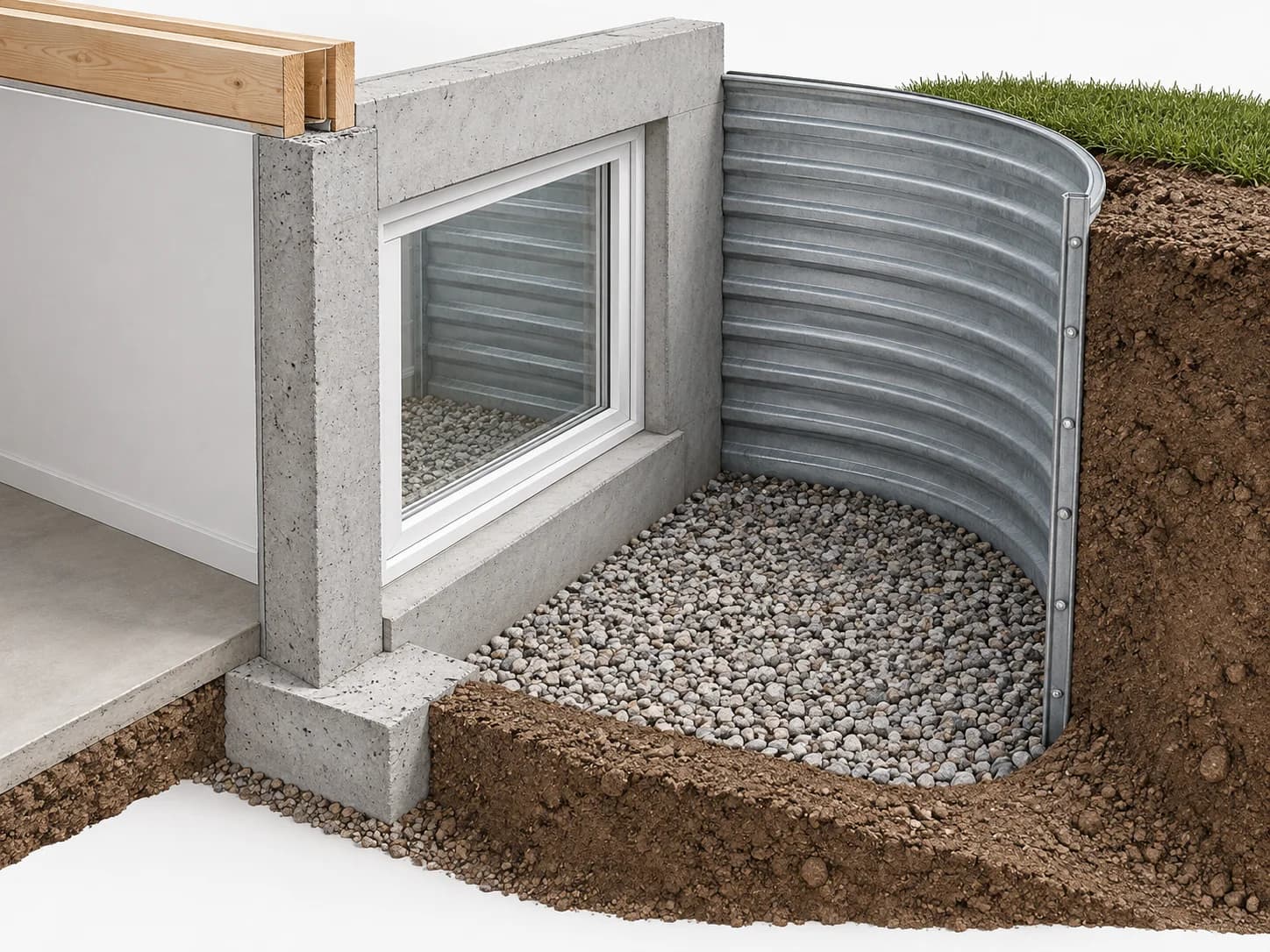
A below-grade enclosure outside a basement window that keeps soil away from the opening and allows space for light, drainage and access. Where it serves an , its clearance and any cover must permit the required escape operation. Drainage and dimensions need project-specific design.
Wood (Frame)
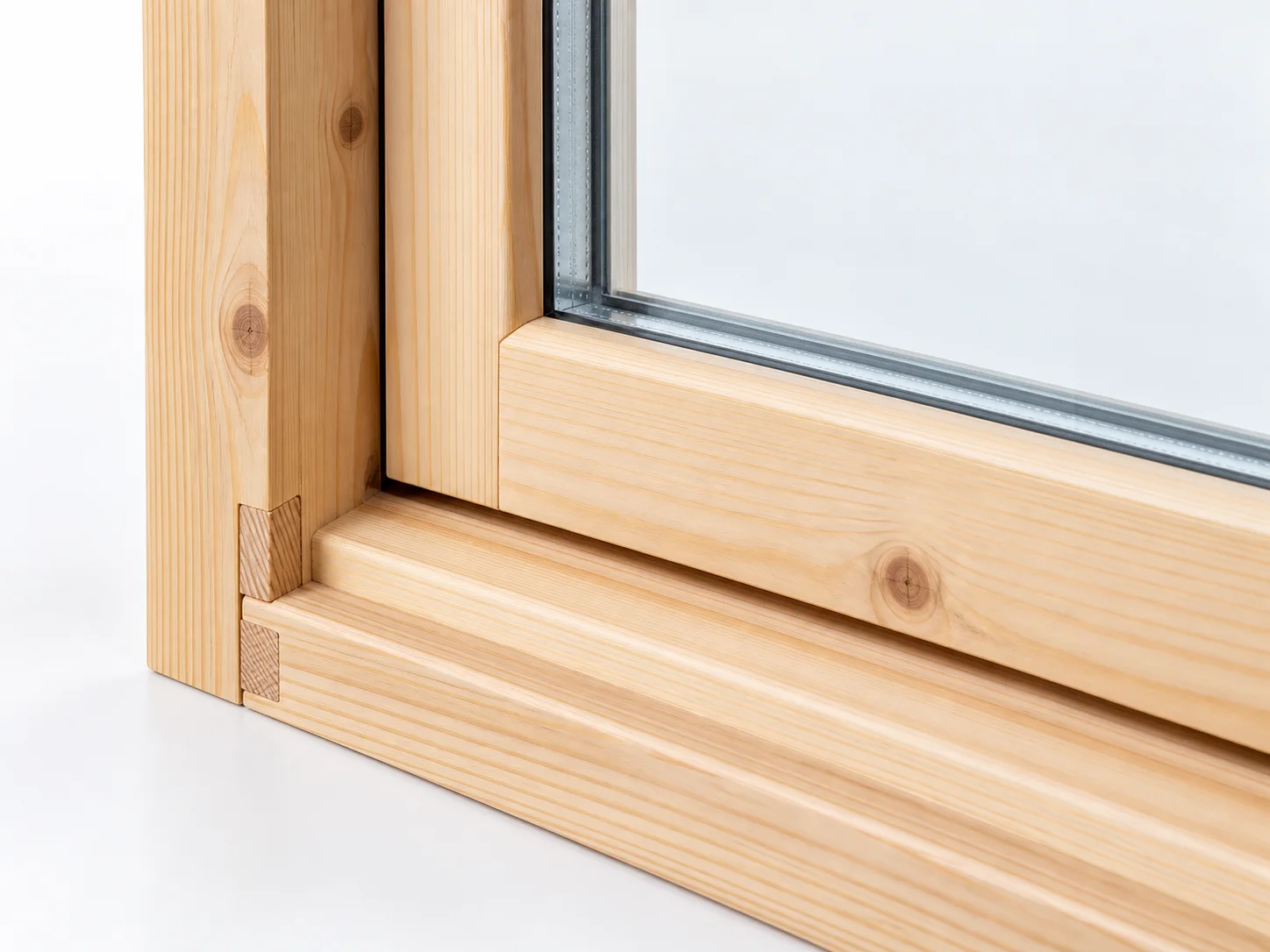
A traditional material for window and door frames. Offers natural beauty and excellent insulation but requires regular maintenance to prevent rot, swelling, and paint failure.
Wood Siding
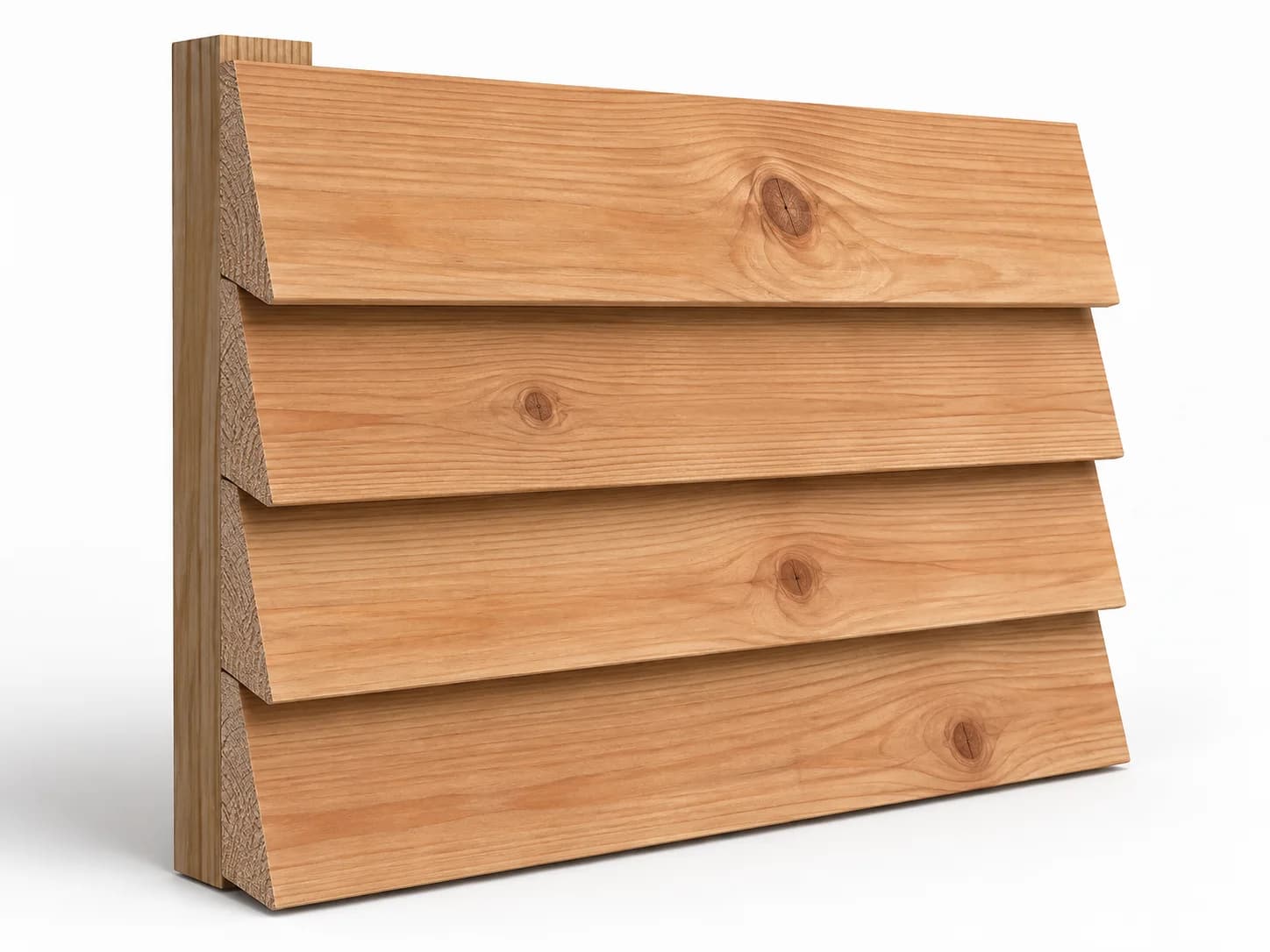
Natural wood boards or shingles used as exterior cladding. Prized for its authentic beauty and warmth, but requires regular maintenance (painting or staining) to prevent rot and decay.
WSIB (Workplace Safety & Insurance Board)
Ontario's workplace insurance board, providing benefits and services related to work-related injury and illness. Coverage obligations depend on the business and work arrangement, with specific home-renovation exemptions. WSIB coverage is not general liability insurance; verify applicable coverage, clearance status and liability insurance separately.
Want More Expert Insights?
Explore our blog for in-depth guides, tips, and advice on windows, doors, and siding projects.